MSMEs get breathing room on stainless steel imports
The Indian Ministry of Steel has offered temporary relief on import rules for certain stainless steel flat products by relaxing Quality Control Orders (QCOs), after concerns from MSMEs about shortages in raw materials. Could this move help small manufacturers keep production steady at a time when global supply chains are still uneven and unpredictable?
Temporary relief for stainless steel imports
The government has allowed a short-term exemption from Quality Control Orders for selected stainless steel flat products, mainly to ease pressure on small and medium manufacturers who rely on imported inputs. This relaxation will apply to goods with a ‘shipped on board’ date on or before 26 October 2026, giving businesses a clear window of support during ongoing supply difficulties.
This decision follows repeated requests from industry groups who said that meeting strict compliance requirements was becoming difficult due to global disruptions in supply. Many MSMEs had raised concerns that delays and shortages were affecting their ability to keep production running smoothly. With this exemption, imports can continue for a limited period without facing the same certification hurdles, helping factories avoid sudden stoppages and delays in manufacturing schedules.
The move has been broadly welcomed, as it is expected to help stabilise the availability of stainless steel in the short term. It is also being viewed as a practical step rather than a permanent change, intended to ease current market pressure while longer-term supply conditions are assessed and reviewed.
Stainless steel products covered under the exemption
The relaxation applies only to specific stainless steel items that fall under Indian Standards set for quality and safety. These include stainless steel plates, sheets and strips under IS 6911, as well as sheets and strips used in utensils under IS 5522. It also covers low nickel austenitic stainless steel products used for kitchen appliances and utensils under IS 15997. In addition, intermediate stainless steel flat products under IS 14650 are also included in the exemption.
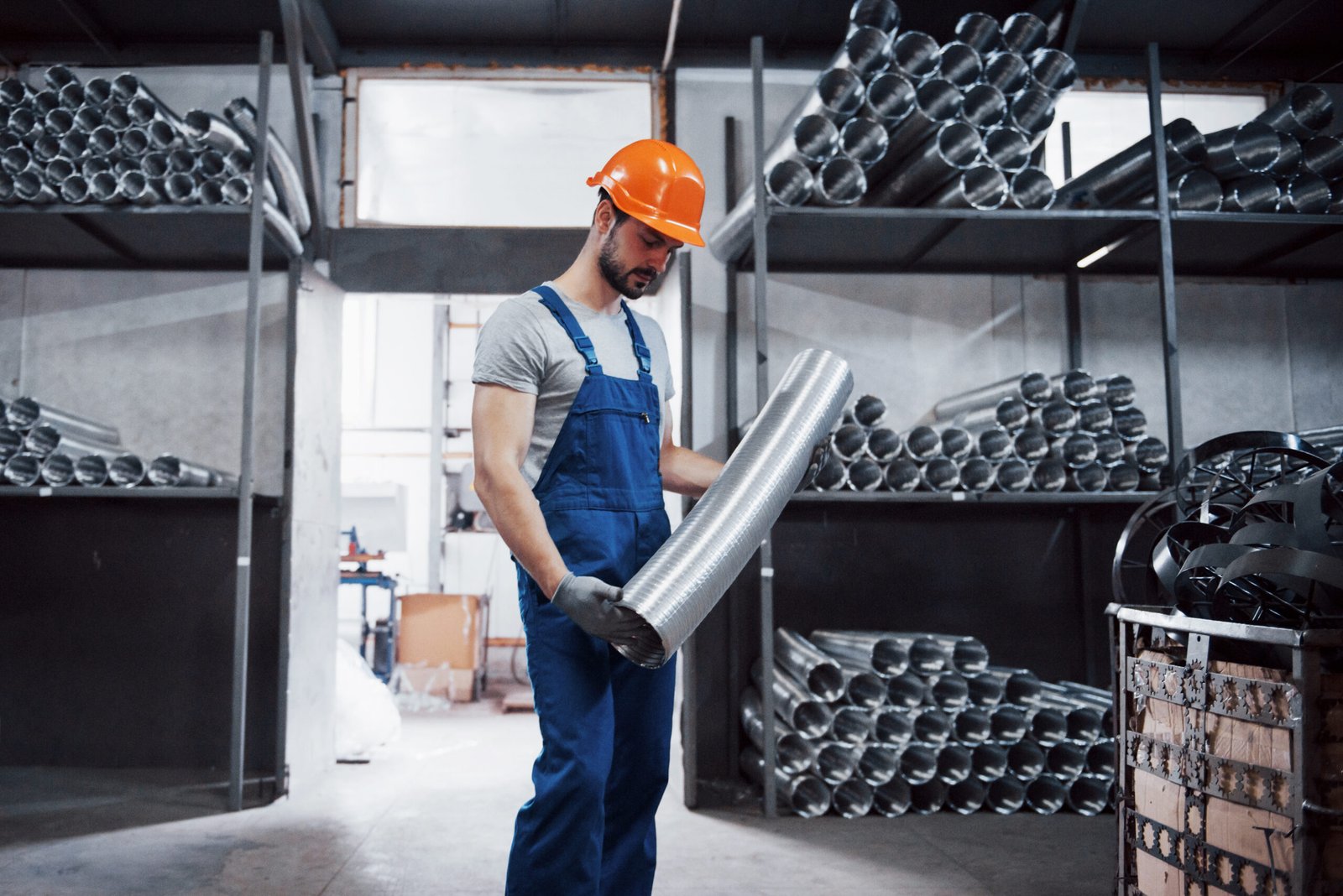
These materials are widely used across industries such as cookware, household goods, construction, and manufacturing. Because stainless steel is a key raw material for many downstream sectors, any disruption in its supply can quickly affect production lines. The exemption is therefore aimed at ensuring that essential materials continue to reach factories without interruption, especially where domestic supply is not sufficient to meet demand.
Relief for MSMEs and balancing quality concerns
Micro, small and medium enterprises have been among the most affected by the recent supply crunch. Many of them depend heavily on imported stainless steel and had reported difficulty in sourcing compliant materials on time. According to industry feedback, easing these restrictions is expected to reduce production delays, improve cost stability, and help small manufacturers stay competitive.
At the same time, Quality Control Orders are designed to maintain standards and ensure that materials used in the market meet safety and performance requirements. Officials have indicated that the temporary relaxation is not a removal of these rules, but rather a response to current supply challenges.
The Ministry of Steel is expected to review the situation closer to the end of the exemption period, depending on how the market and domestic production develop. For now, stakeholders say the move provides much-needed breathing space for stainless steel users across the MSME sector, while keeping the focus on maintaining quality in the longer run.