India’s ₹12,500 Cr LPG plan to lift stainless steel industry
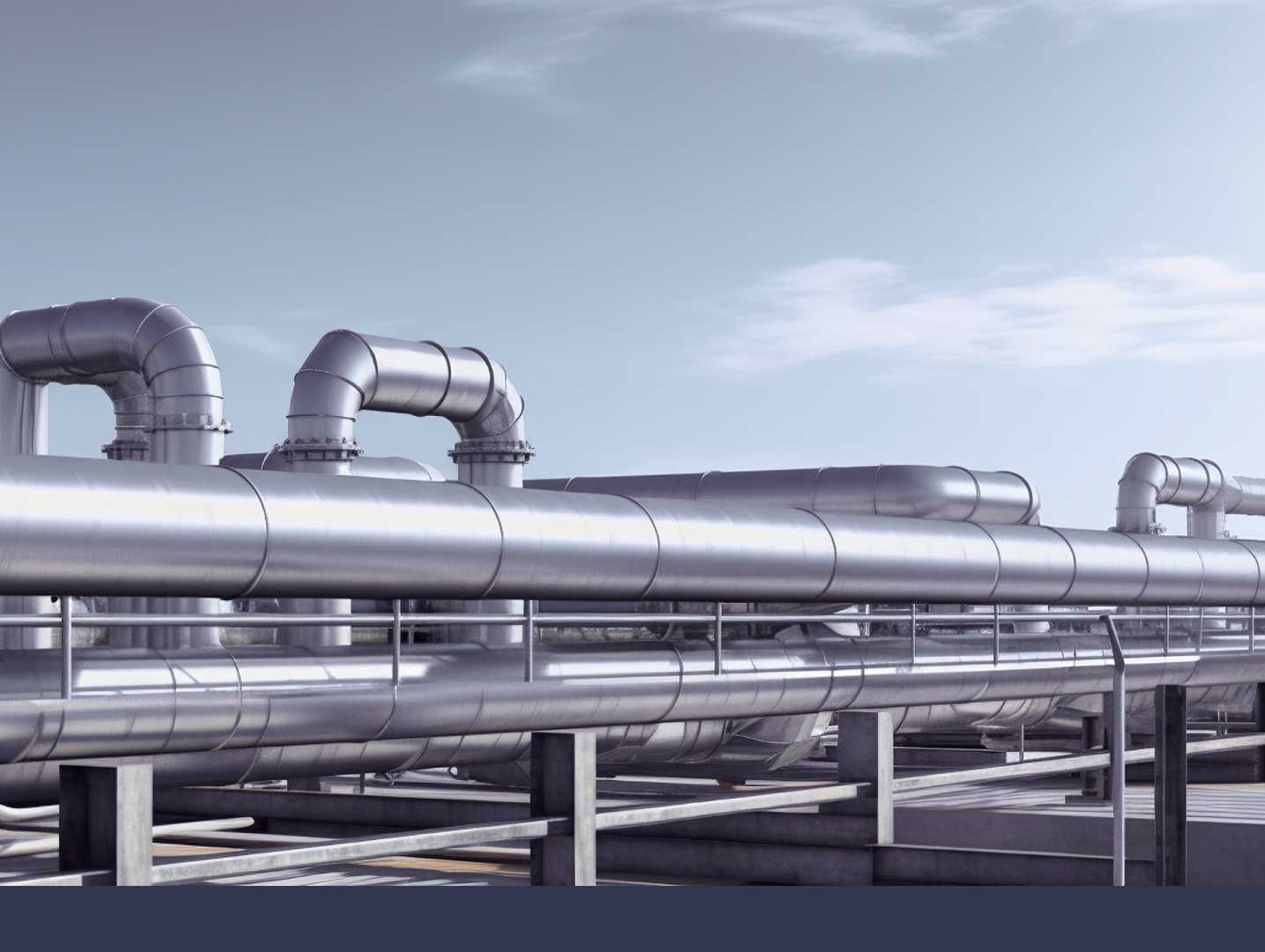
India has begun work on a major Rs 12,500 crore expansion of its LPG pipeline network, covering about 2,500 km. The idea is to gradually move away from transporting cooking gas by road by 2030, making the system safer and more reliable. This step follows recent supply disruptions, although the situation has since steadied, with daily bookings easing from earlier highs.
A wider pipeline network taking shape
Work is progressing on nine new LPG pipeline projects that aim to better connect refineries, import terminals and bottling plants. Important routes like Cherlapally–Nagpur, Shikrapur–Hubli–Goa, Paradip–Raipur and Jhansi–Sitarganj are already nearing the final stages of bidding.
For years, LPG has largely been moved by road tankers over long distances. This expansion is meant to change that. Pipelines can make deliveries quicker and more predictable, while also lowering the risk of accidents. In the bigger picture, the goal is to create a more connected, efficient network that can keep up with India’s rising energy needs.
Supply pressures ease after recent disruptions
Not long ago, India’s LPG supply chain came under pressure due to geopolitical tensions in West Asia, which disrupted a significant portion of imports. In response, authorities prioritised household consumption, limited commercial use and pushed domestic production to fill the gap.
During that period, demand surged sharply, with bookings reaching nearly 89 lakh cylinders a day. Since then, things have settled. Daily bookings have come down to around 46–50 lakh, helped by seasonal changes and smoother supply flows.
Efforts to diversify imports have also played a role. By sourcing LPG from regions beyond West Asia, authorities have ensured that supplies remain steady. Across the country’s wide network of distributors, deliveries are now running without major issues.
Why pipelines matter for energy security
Pipelines are expected to quietly transform how LPG moves across the country. Compared to road transport, they are cleaner, more efficient and less prone to losses during transit. They also reduce the risks linked to road accidents, which have been a concern in the past.
There’s also the question of reliability. A strong pipeline network can act as a cushion during uncertain times, helping store and redirect supplies if imports are affected. This makes the overall system more dependable for both homes and businesses that rely on LPG every day.
Opportunity for stainless steel industry
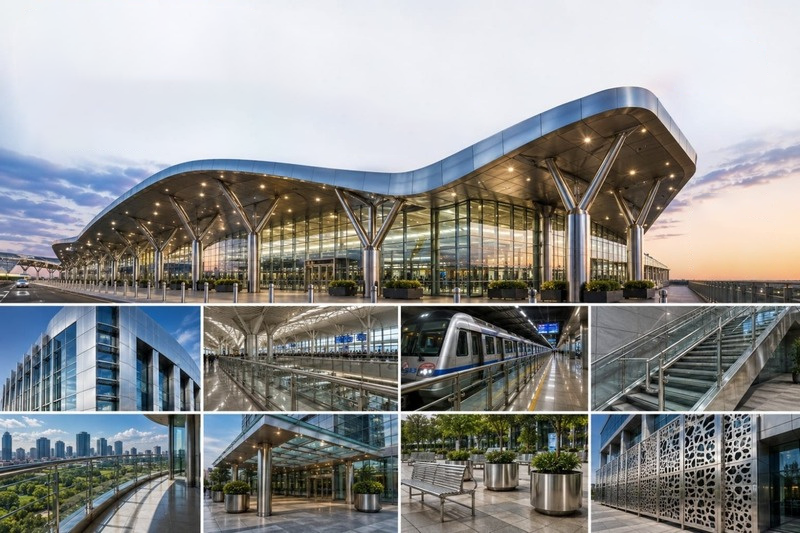
Projects of this scale tend to benefit metal industries beyond energy. Stainless steel, for example, is commonly used in pipelines because it is durable, resists corrosion, and can safely carry pressurised gases over long distances.
As more pipelines are built, demand for such materials and components could rise. Manufacturers involved in stainless steel pipes, fittings and related equipment may find new opportunities as the network expands. Strong, long-lasting materials also reduce maintenance needs, making them a practical choice for infrastructure of this kind.