New Stainless Steel Innovation Could Transform Green Hydrogen Production From Seawater
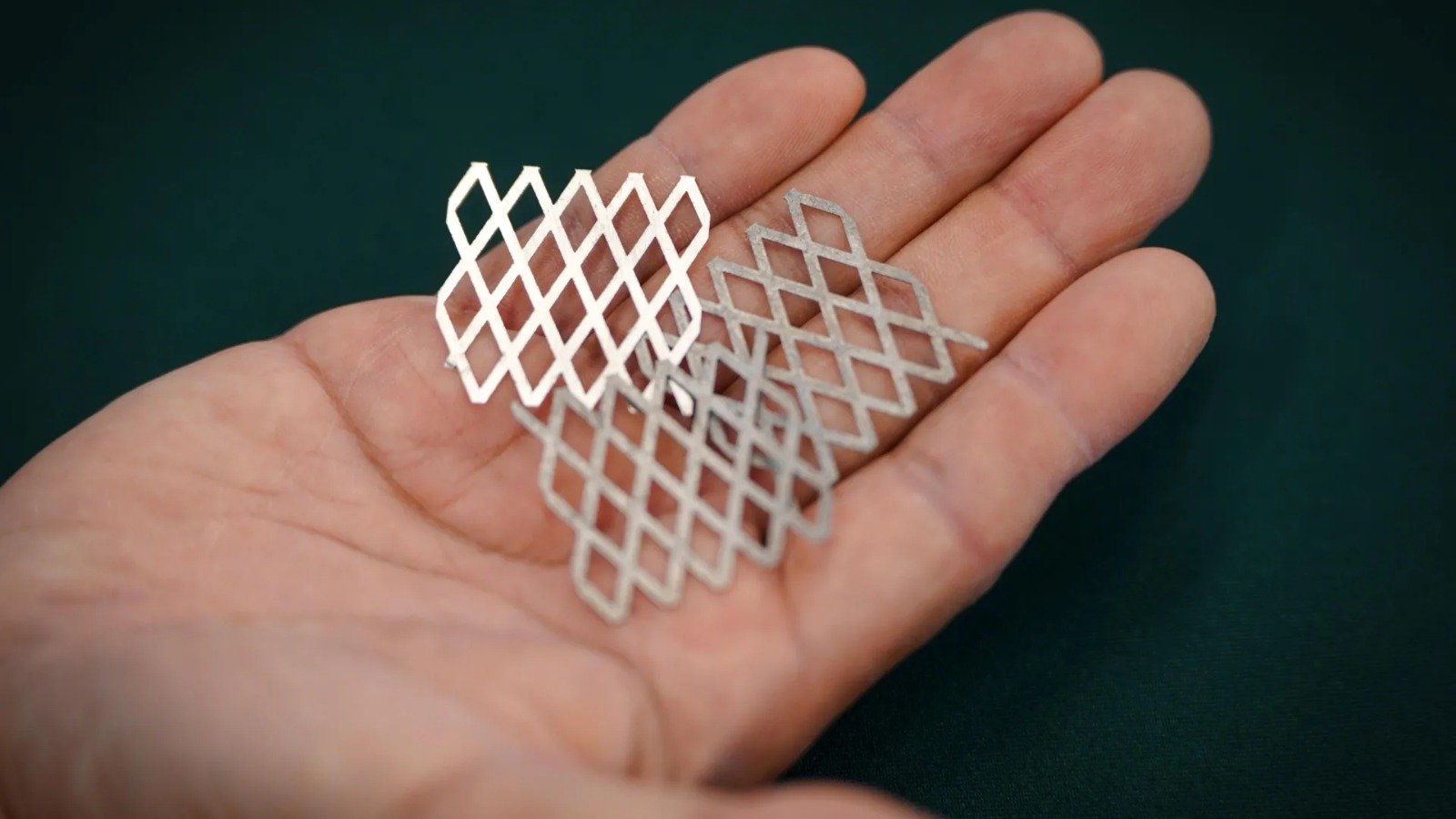
Researchers at the University of Hong Kong have developed a new type of stainless steel that could significantly reduce the cost of producing green hydrogen directly from seawater, marking a major breakthrough for the clean energy and stainless steel industries.
The newly developed material, called SS-H2, has been engineered to withstand the highly corrosive conditions involved in hydrogen production through seawater electrolysis. Traditionally, hydrogen systems rely on expensive titanium components coated with precious metals such as platinum and gold to resist corrosion. The new stainless steel offers a lower-cost alternative while delivering comparable corrosion resistance.
According to the research team led by Professor Mingxin Huang, the breakthrough lies in a unique “dual-passivation” mechanism. The stainless steel forms two protective layers — one chromium-based and another manganese-based — allowing the material to survive extreme electrochemical conditions that normally damage conventional stainless steel. Researchers stated that the discovery challenges long-standing assumptions in corrosion science, as manganese was previously believed to weaken corrosion resistance.
One of the most significant advantages of SS-H2 is its ability to operate directly in seawater environments. The material reportedly remains stable at voltages up to 1700 millivolts, exceeding the threshold required for seawater electrolysis and opening new possibilities for large-scale green hydrogen production without relying heavily on freshwater resources.
The development could have a major impact on industries such as steelmaking, refining, fertilizer production, shipping, and renewable energy storage, where green hydrogen is increasingly seen as a key decarbonization solution. Researchers estimate that using SS-H2 instead of titanium-based materials could reduce structural material costs for hydrogen systems by up to 40 times.
The project is part of the University of Hong Kong’s broader “Super Steel” initiative, which has previously produced ultra-strong stainless steels and antimicrobial stainless steel technologies. The research team has already begun collaborating with manufacturing partners to scale up production of SS-H2-based products for industrial hydrogen applications.