MOL’s India Shipbuilding Plans Expected to Boost Demand for Marine-Grade Stainless Steel
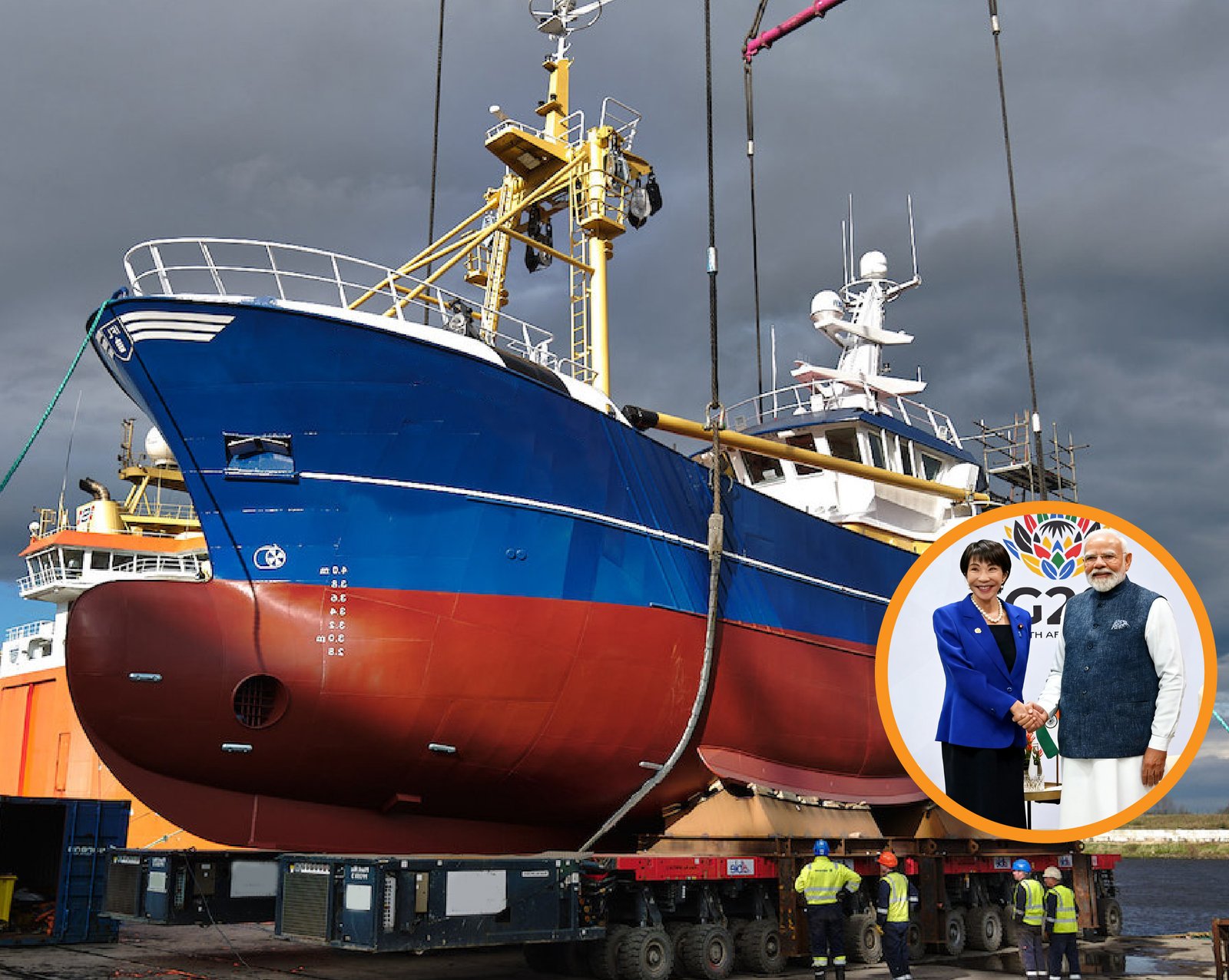
The growing focus on domestic shipbuilding in India by Mitsui O.S.K. Lines (MOL) is expected to create significant opportunities for the Indian stainless steel industry, particularly in the high-value marine-grade and specialty steel segments.
Industry observers believe that increased local manufacturing of advanced vessels such as LNG carriers, chemical tankers, and eco-friendly ships could accelerate demand for corrosion-resistant stainless steel products across India’s maritime ecosystem.
The development aligns with the Ministry of Steel’s Stainless Steel Vision Document 2047, which projects domestic stainless steel demand to rise sharply from around 4.8 million tonnes to nearly 20 million tonnes by 2047.
Demand for Advanced Stainless Steel Grades
Commercial shipbuilding requires extensive use of specialized stainless steel grades including Duplex and Super Duplex alloys for cargo tanks, piping systems, scrubbers, and marine infrastructure exposed to corrosive environments.
Experts believe that expanding shipbuilding activities in India could encourage domestic manufacturers to strengthen production of high-performance stainless steel grades instead of relying primarily on conventional commercial products.
Opportunity for Domestic Steel Producers
With India promoting localization under its Shipbuilding Financial Assistance Policy, domestic sourcing of raw materials and components is expected to gain momentum. This may benefit Indian stainless steel manufacturers such as Jindal Stainless and other specialty steel suppliers catering to the marine and infrastructure sectors.
Industry stakeholders also expect improved investments in certification standards, processing capabilities, and marine-grade steel manufacturing technologies.
Green Shipping to Create New Market Segments
MOL’s interest in sustainable shipping solutions and alternative fuels such as green ammonia, methanol, and biofuels may further increase demand for cryogenic and corrosion-resistant stainless steel systems.
The storage and transportation of next-generation marine fuels require advanced stainless steel containment infrastructure capable of operating under low-temperature and high-corrosion conditions.
Infrastructure Development to Support Stainless Steel Consumption
Beyond vessel manufacturing, future investments in RORO terminals, logistics hubs, and coastal infrastructure projects are also expected to generate additional stainless steel demand for warehouses, marine handling systems, and fuel storage facilities operating in corrosive coastal environments.
Industry experts believe that India’s expanding maritime ambitions could emerge as a major long-term growth driver for the domestic stainless steel sector while supporting the country’s broader industrial and infrastructure development goals.