Nippon Steel hits pause on price hikes
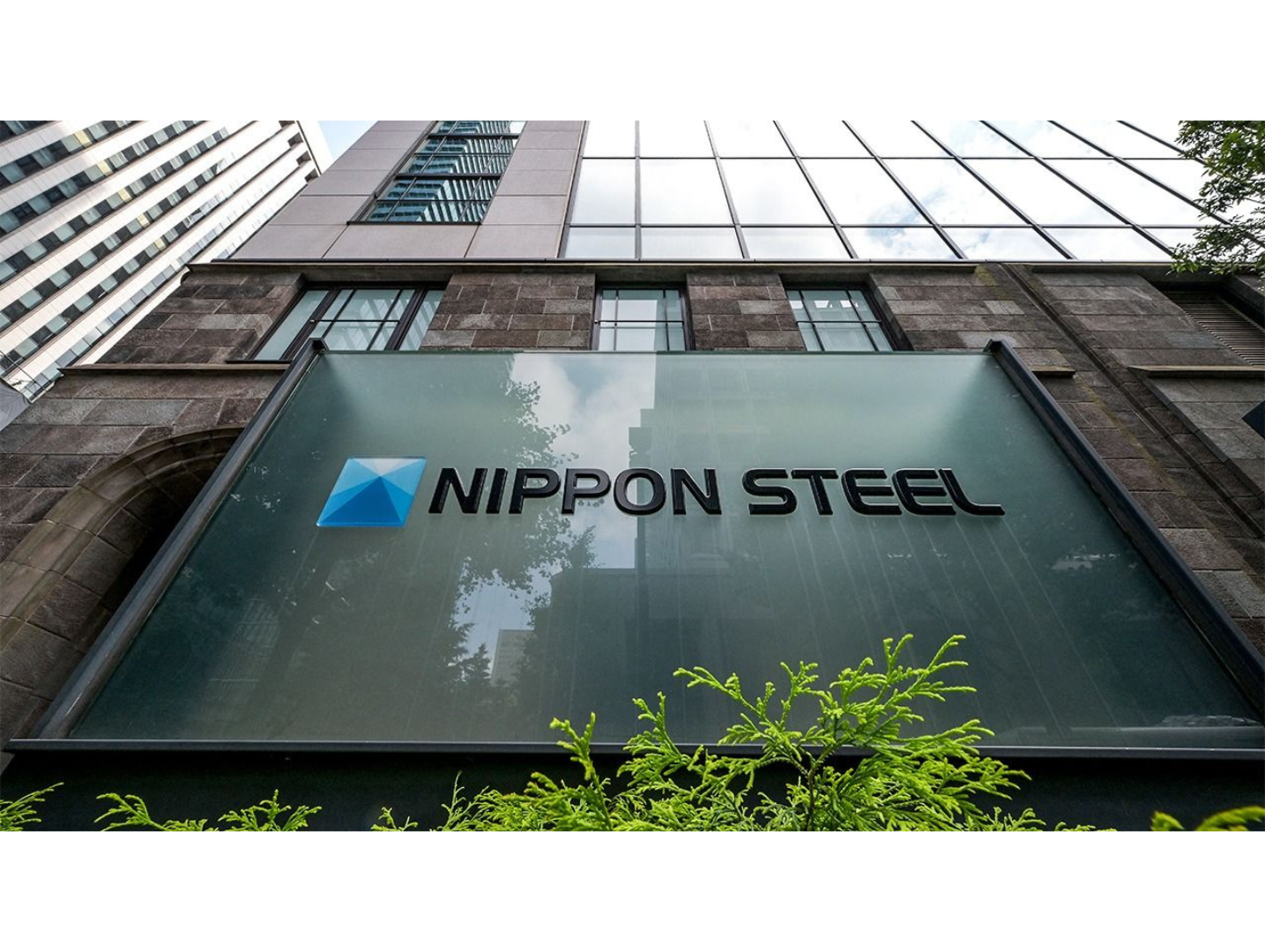
Nippon Steel has decided to keep its prices for 300-series stainless steel unchanged for April contracts, pausing a months-long rise that began in October 2025. With nickel prices slipping slightly but chromium staying steady, is this a sign of stabilising steel markets or just a brief break in ongoing cost pressure across the industry?
Price decision for April contracts
Nippon Steel has confirmed that the prices for its 300-series stainless steel cold-rolled flat products will remain unchanged for April. This decision brings a temporary stop to a steady upward pricing trend that had been in place since October 2025.
Over those months, the company had raised prices several times, with total increases adding up to around $410 across 300-series products. Higher raw material costs, transport expenses, and general pressure in the global supply chain mainly drove these increases.
The latest announcement suggests a more cautious approach from the company, at least for now. By holding prices steady in April, Nippon Steel appears to be responding to a slightly more stable cost environment, even though earlier increases had been necessary to offset rising expenses.
In simple terms, customers buying stainless steel products in April will not face any extra price hikes compared to March, offering a short-term sense of stability in an otherwise shifting market.
Raw material cost movements
A key reason behind pricing decisions in the steel industry is the movement of raw material costs. In April, nickel prices, which are important for producing 300-series stainless steel, fell by about 2 per cent compared to the previous month. This brought the cost down to roughly $7.80 per pound.
This small drop in nickel prices helped ease some pressure on producers, though the reduction was not large enough to suggest a major shift in the market. On the other hand, chromium costs, which are more closely linked to 400-series stainless steel, remained unchanged for the fifth month in a row at around $1.60 per pound.
This mix of slightly softer nickel prices and steady chromium costs has created a more balanced cost picture for manufacturers. However, industry observers continue to say that raw material markets remain sensitive and can change quickly depending on global demand and supply conditions.
Market stability and industry outlook
The decision to hold prices steady has been seen as a moment of balance in a market that has experienced frequent changes over the past year. Earlier increases were largely driven by rising logistics costs, energy prices, and fluctuations in global demand.
Now, with some raw material costs showing signs of stability, companies like Nippon Steel are adjusting their pricing strategies more carefully. However, the situation is not fully stable yet, as cost pressures in different regions continue to vary.
In general, this pause in price increases may bring short-term relief for buyers, but it does not necessarily indicate that prices will fall in the long run. Instead, it shows that the market is still adjusting to changing global economic conditions and responding carefully to shifts in costs, demand, and supply across different regions.
In simple terms, the stainless steel sector appears to be in a waiting phase. Prices are steady for now, but both producers and buyers are closely watching how raw material costs and global demand will move in the coming months.