Stainless steel water tanks: The quiet upgrade trend
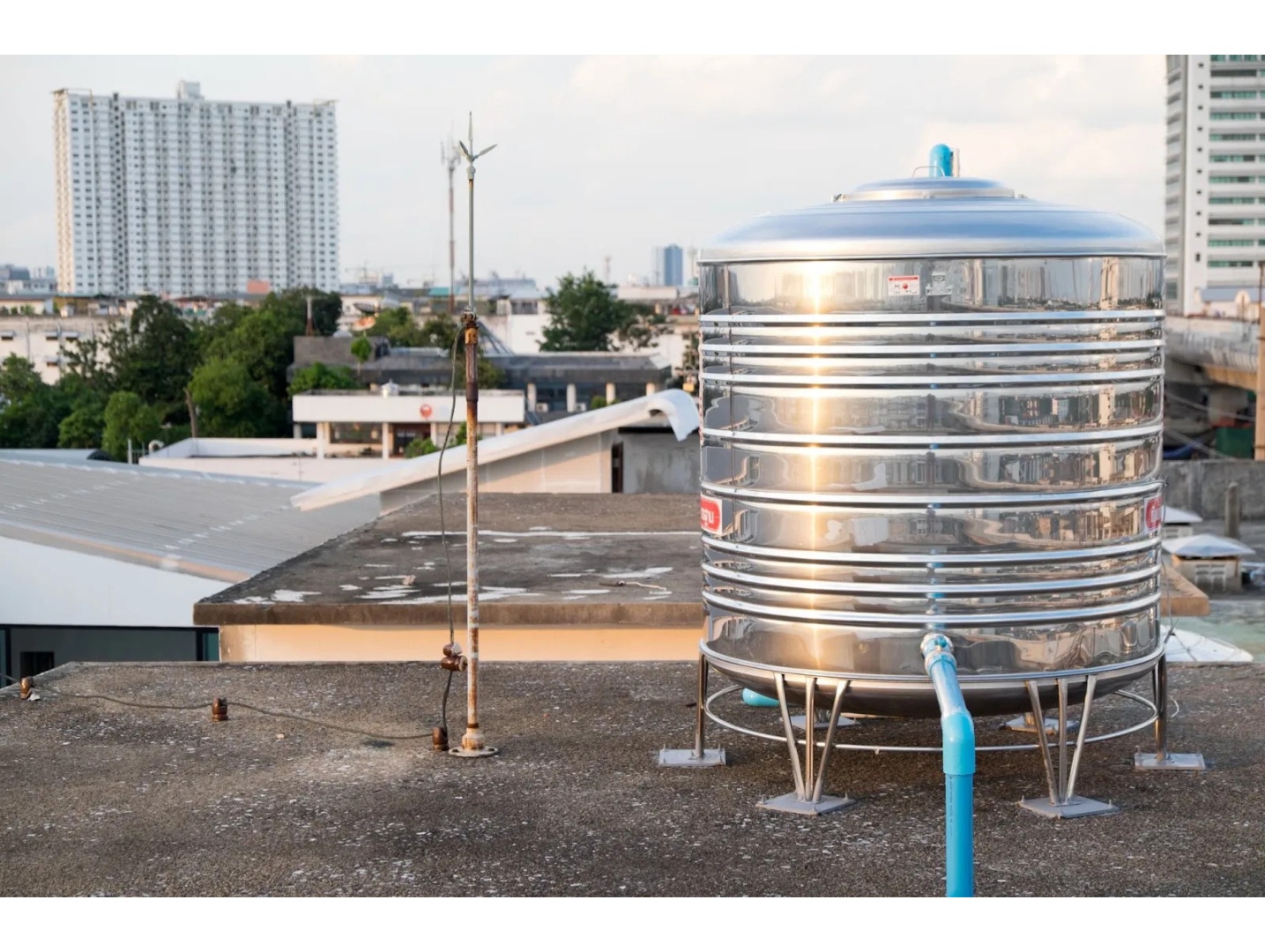
Most people focus on water source and filtration, but often overlook storage, where quality can quietly change. A stainless steel water tank is increasingly seen as a practical upgrade for homes and commercial spaces, aiming for safer, cleaner water and longer-lasting infrastructure. But what really changes when the tank material itself is improved, and why are more households and buildings starting to pay attention now?
When water storage becomes noticeable
Most home upgrades are planned and visible. People notice new tiles, better fittings, or improved appliances straight away. Water storage, however, is different. It sits quietly on rooftops or in utility spaces, often ignored until something feels off.
That moment usually comes slowly. A slight smell in stored water. Cleaning that takes longer than expected. Or water that no longer feels as fresh as it should, even though the supply itself has not changed.
At that point, attention naturally shifts to the tank. Not because it is the most exciting part of a property, but because it is the part quietly influencing daily water use. For many homeowners and facility managers, this is the first time they start thinking about whether the material of the tank is playing a role in these changes.
What people realise about water quality and storage
A common assumption is that water quality depends only on the source or the filtration system. In reality, storage is the middle stage that often gets overlooked.
Water may enter a property in good condition, but its characteristics can shift depending on how and where it is stored over time. The internal surface of a tank can influence odour, residue build-up, and how frequently cleaning is required.
With certain materials, users may notice small but repeated issues. In warmer months, odour changes can become more noticeable. Some tanks also develop thin layers of residue faster, which leads to more frequent maintenance cycles.
This is where stainless steel water tanks begin to stand out in practical terms. They do not solve water quality at the source, but they help maintain consistency during storage. For many residential and commercial users, that consistency is what matters most in day-to-day operations.
Why stainless steel water tanks stand out over time
Stainless steel behaves differently compared to several traditional storage materials. One of its main advantages is stability. It does not absorb water, and it does not easily react with common minerals found in domestic water supplies.
Another practical factor is light exposure. Stainless steel tanks reduce light penetration, which limits conditions that can encourage unwanted growth inside the tank. Over time, this helps keep the internal environment more stable.
The surface finish also plays a role. A smoother internal surface reduces the chance of residue sticking and building up. This does not remove the need for cleaning, but it can make cleaning more predictable and less intensive.
For users managing multiple properties or larger facilities, this consistency becomes valuable. It means fewer unexpected issues, fewer emergency clean-ups, and a more stable water storage system overall.
Durability that goes beyond strength
Durability is often understood as simple strength, but in water storage, it is more about how a system performs over years of use.
A tank is exposed to constant environmental changes, especially in regions with strong seasonal variations. Heat during the day, cooler temperatures at night, and repeated cycles of expansion and contraction can all affect long-term performance.
Stainless steel water tanks tend to maintain structural stability under these conditions. They are less likely to warp or weaken due to temperature changes, which is particularly relevant for rooftop installations exposed to direct sunlight.
Over time, this stability reduces the likelihood of performance decline. Instead of requiring increasing levels of maintenance as the tank ages, the system remains relatively consistent. For property developers, facility managers, and homeowners alike, this translates into fewer long-term operational concerns and more predictable upkeep planning.
A straightforward upgrade for homes and buildings
One of the key practical advantages of switching to stainless steel water tanks is the ease of integration. In most cases, it does not require a complete redesign of existing plumbing systems or building layouts.
Instead, it is typically a direct replacement of the existing storage unit. This means the wider water supply system remains unchanged, while the weakest point in the chain is improved.
For residential users, this makes the decision less disruptive. For commercial buildings, it reduces downtime and avoids complex installation processes that could affect daily operations.
This straightforward nature is part of why stainless steel water tanks are increasingly being viewed not as a premium luxury, but as a practical infrastructure upgrade. The focus is on improving reliability without adding unnecessary complexity to existing systems.
Maintenance that fits modern living
Maintenance is often where the difference becomes most noticeable over time. Traditional tanks can require more frequent and more intensive cleaning, particularly when residue builds up or surfaces become harder to manage.
This can involve scrubbing difficult areas, dealing with uneven surfaces, and spending more time on each cleaning cycle. In larger buildings, this also means higher labour effort and more scheduled downtime.
With stainless steel water tanks, maintenance tends to be more manageable. The smooth internal surface reduces the likelihood of stubborn build-up, and cleaning routines often become more predictable. While regular maintenance is still necessary, the effort required is generally lower and easier to plan.
For busy households and commercial operations, this predictability is important. It reduces disruption and helps ensure that water systems remain in good condition without requiring constant attention.
Sometimes the simplest change works best
Not every infrastructure improvement needs to be complex or disruptive. In many cases, the most effective changes are also the most straightforward.
Upgrading the water storage system can have a direct impact on overall water experience. Stainless steel water tanks offer a combination of hygiene stability, structural durability, and reduced maintenance effort that supports both residential and commercial needs.
Once the storage layer is improved, everything connected to it becomes easier to manage. Water quality feels more consistent, cleaning becomes less demanding, and long-term reliability improves without constant intervention. In practical terms, it is a small change in one component, but a meaningful improvement across the wider system.