Why Indian rail coaches are turning to stainless steel
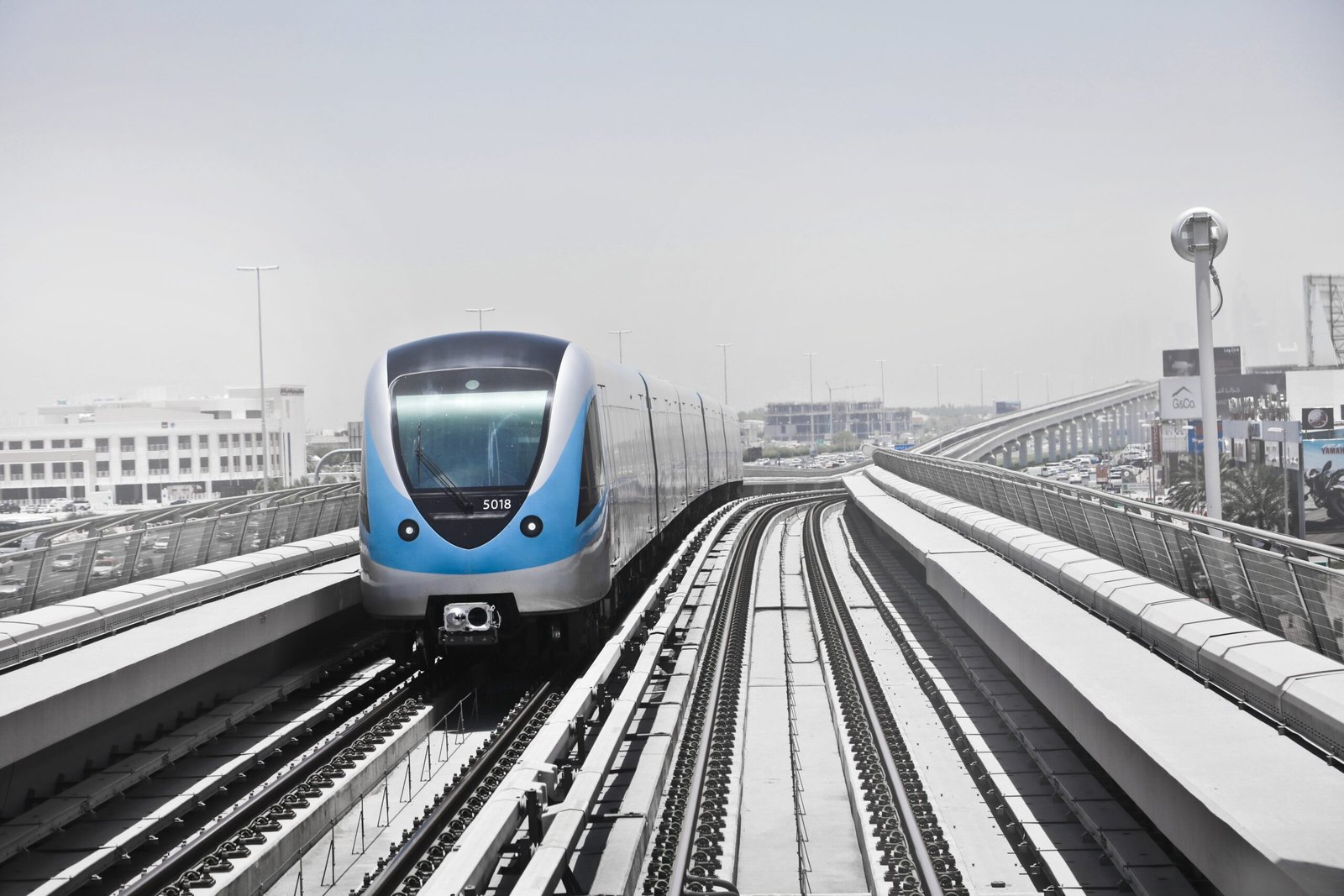
Stainless steel has quietly become one of the most important materials driving India’s railway modernisation. Sleek metro coaches, passenger wagons, and high-speed train sets showcase the metal’s versatility, strength, and safety features, making it a preferred choice in railway manufacturing. As India’s transport systems grow rapidly, stainless steel is proving vital in building a safer, lighter and more durable rail network.
Safety as key driver
Safety has been a major driver behind stainless steel’s rising use in India’s modern train and metro projects. The material’s fire-resistant properties significantly reduce the risk of spreading flames, which is essential in confined spaces such as train coaches.
Prithish Chowdhary, Dy Managing Director, Titagarh Rail Systems – one of the largest rail manufacturers in India, says, “At Titagarh, we use stainless steel extensively across metro and regional train projects such as the Vande Metro, Bengaluru Metro, Surat Metro, Ahmedabad Metro, Mumbai Metro, etc. These designs combine high structural rigidity with superior crashworthiness and fire protection, enabling lighter trainsets without compromising safety.”
Corrosion resistance and durability
Corrosion resistance is another defining feature that makes stainless steel invaluable in rail and metro applications. Trains and coaches are constantly exposed to moisture, pollution and temperature variations, especially in coastal or humid regions. Stainless steel’s natural ability to resist rust and corrosion ensures that carriages retain their strength and appearance for years.
“India is a highly corrosion-prone country, so stainless steel naturally makes sense. The life cycle cost is lower due to stainless steel’s corrosion resistance,” says Dr Sudhanshu Mani, the creator of Vande Bharat. “So, you could argue stainless steel is more durable because it doesn’t corrode,” he added.
Make in India and self-reliance
This growing adoption of stainless steel also aligns strongly with the government’s “Make in India” initiative. Indian Railways and metro corporations have also begun sourcing more components locally, promoting industrial growth and creating employment across the country. “The Make in India and Aatmanirbhar Bharat policies have been transformative in creating a strong domestic ecosystem for stainless-steel-based rolling stock,” says Chowdhary.
“This localisation is visible across our projects, from the Vande Bharat Sleeper trains, being built under a ₹24,000-crore Make-in-India contract, to our growing network of suppliers for metro and some of the freight applications. By indigenising both material and process technologies, we are not only reducing import dependence but also building long-term resilience in the supply chain.” he added.
Domestic companies are not only meeting local demand but are also developing advanced manufacturing capabilities that reduce dependency on imports. Dr Mani echoed this sentiment. He added, “Stainless steel for rolling stock isn’t something India imports unless absolutely necessary. The designs have been tailored to the materials available from Jindal and SAIL, and that continues.”
Reducing weight
One of the biggest advantages of stainless steel is its ability to reduce the overall weight of rolling stock. Stainless steel, being strong yet lightweight, allows manufacturers to design thinner but tougher structures. This means improved energy efficiency, faster acceleration, and lower maintenance costs. For metro systems, it results in smoother rides, reduced power consumption, and greater passenger capacity.
As per “Stainless Steel Infrastructure” published by the Nickel Institute and authored by A Richard Huza, PE; Rohit Kumar; Benoît Van Hecke. The coaches made of weathering steel weigh 47 tonnes, whereas coaches that use stainless steel weigh significantly less (40 tonnes). This weight reduction originates from the absence of a corrosion allowance on the wall thickness and from the better strength offered by stainless steel.
As India modernises its railways, stainless steel stands out for its strength, corrosion resistance, and longevity. It is helping build a transport system that is sustainable, cost-efficient, and a proud example of India’s growing ‘aatmanirbhar’ manufacturing capability.