Jindal Stainless’s CSR Drive Targets Rural Waste in Jajpur
Jindal Stainless has hosted the second edition of its annual ‘Stainless Swachhata Abhiyaan’ Summit in Jajpur, Odisha, bringing together over 200 stakeholders. With more than 1,000 households already covered under the programme, can community-led waste systems reshape rural sanitation for good?
A community push for cleaner villages
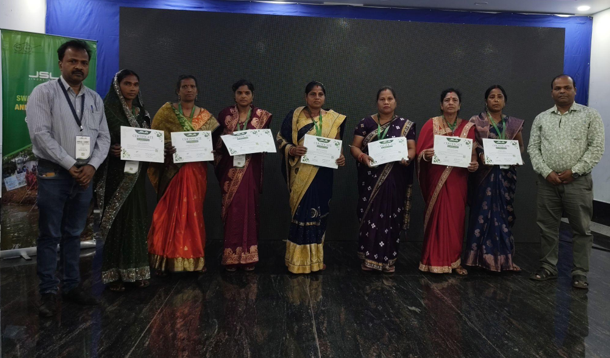
Held at Danagadi block in Jajpur, where the company operates its largest manufacturing facility, the Summit revolved around the theme ‘Mo Gaon, Swachh Gaon’ (My Village, Clean Village). The event drew participation from government officials, local administrators, Self-Help Groups (SHGs), youth representatives and school students.
The gathering aimed to strengthen structured, community-driven waste management systems and raise awareness about hygiene and environmental responsibility. Representatives from local administration and the company highlighted the need for sustained collaboration between public bodies, corporates and villagers to build long-term sanitation solutions.
Company leaders stated that communities around industrial operations should grow alongside the business, adding that initiatives such as the Summit encourage people to take active ownership of sustainable waste practices.
Programme reaching 2,500 people daily
The Summit forms part of the company’s CSR initiative, Stainless Swachhata Abhiyaan (SSA), aligned with the Government of India’s Swachh Bharat Mission and implemented with the support of Green Dream Foundation.
Currently, the programme covers more than 1,000 households across Solei, Singagadhia and Danagadi villages in Odisha, benefiting over 2,500 individuals each day. Activities include door-to-door waste collection, segregation at source, operation of a material recovery facility, awareness campaigns and the remediation of legacy waste sites.
Officials at the event noted that effective waste management plays a vital role in preventing sanitation-related diseases and improving overall public health in rural areas.
Women-led groups at the centre
A structured SHG-led model sits at the heart of the initiative. Women-led Self-Help Groups manage waste collection, segregation, processing and linkages with recyclers, ensuring that the system remains community-owned and sustainable.
According to the company, the approach not only strengthens environmental practices but also creates livelihood opportunities, advancing women’s economic empowerment.
Through the Stainless Swachhata Abhiyaan, Jindal Stainless continues to focus on environmental sustainability, inclusive growth and community development, working closely with local authorities and residents to build lasting waste management systems at the grassroots level.