Sustainability is a major focus: Rajiv Nehru on India’s Stainless Steel Manufacturing Trends
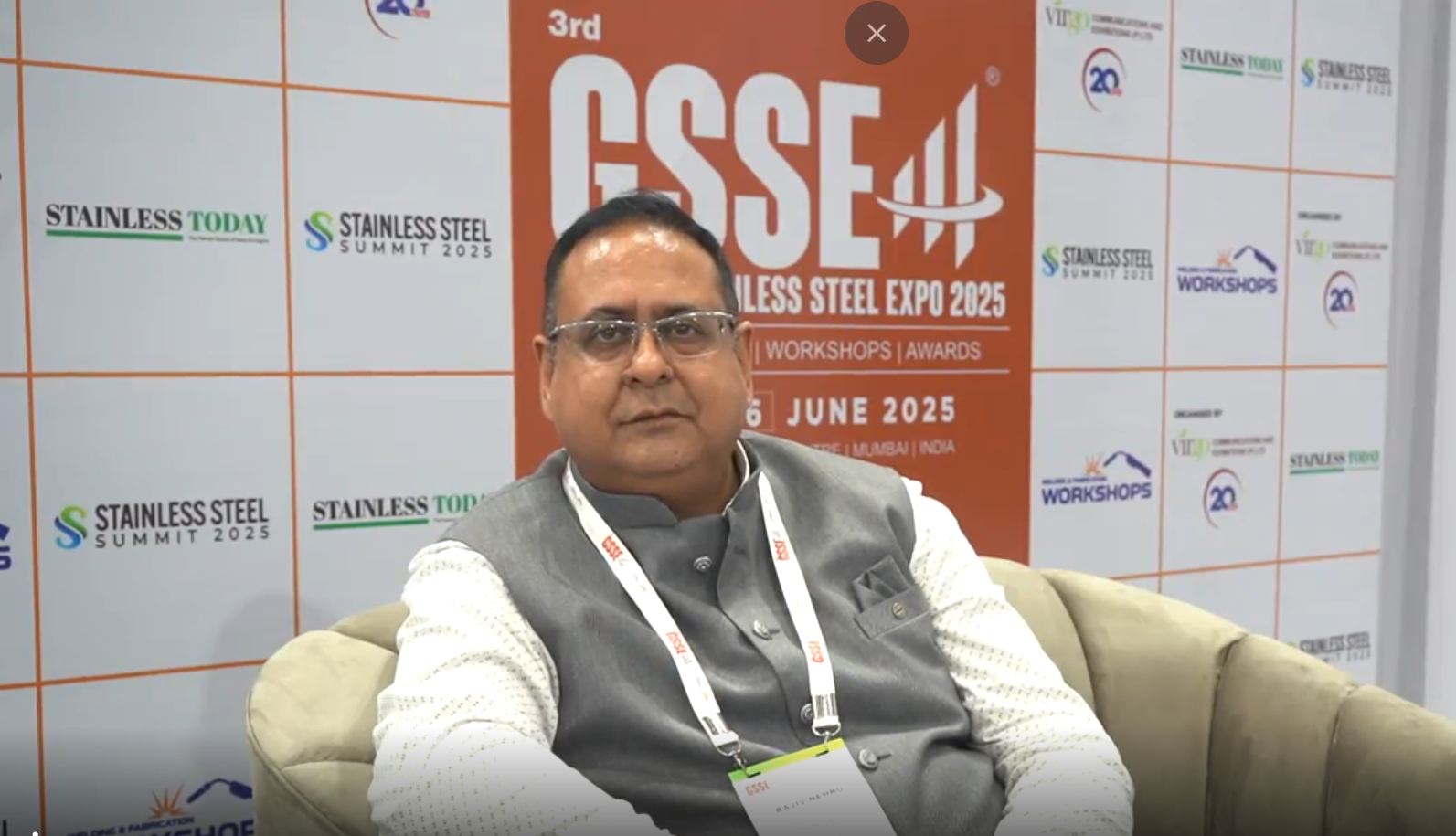
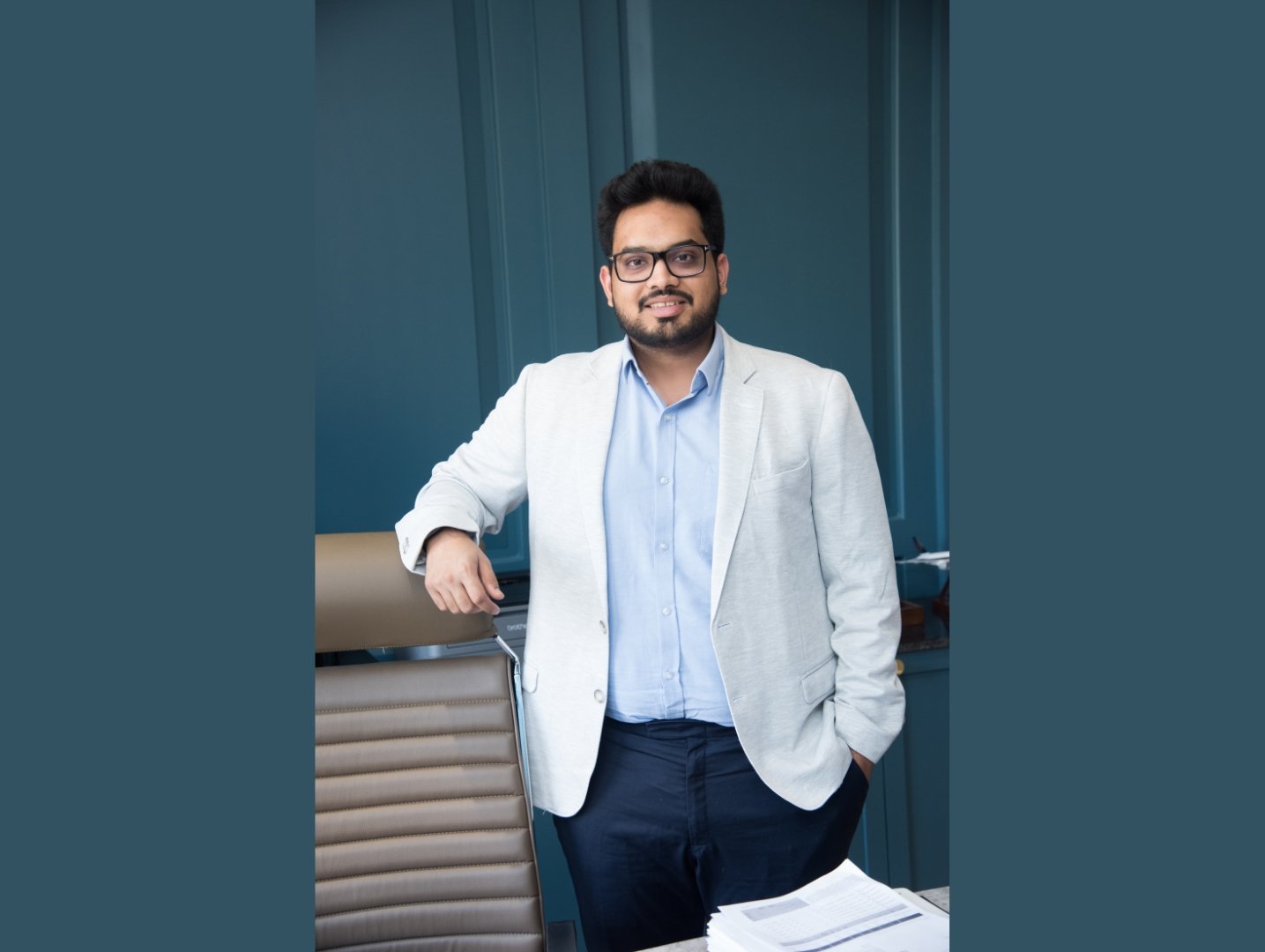
Rajiv Nehru, Dean of the L&T Institute of Project Management, dwells on how automation, industry 4.0 technologies, and advanced skill development are transforming India’s stainless steel sector.
India’s steel industry is at a crucial turning point as it embraces modern technologies, sustainable practices, and advanced manufacturing systems. With major public sector undertakings investing heavily in new steel plants, there is a growing need for skilled professionals who can manage large-scale projects and adapt to the demands of Industry 4.0.
At the Global Stainless Steel Expo 2025, Rajiv Nehru, Dean, Larsen & Toubro (L&T) Institute of Project Management, spoke with Team Stainless Today. In this conversation, he shares how training, technology, and skill development are shaping the future of the stainless steel sector.
Could you tell us about how Larsen & Toubro Institute of Project Management connects with the stainless steel sector?
We are an institution that conducts a lot of training and consulting within L&T and for L&T ecosystem partners, which include L&T clients and downstream elements as well.
Linked to stainless steel, we are training a lot of executives from many public sector companies that are going to build greenfield steel plants. Project management is at the core of the entire construction of these plants. We train those executives. We have just completed a training programme for a very large PSU where we trained almost 30 of their senior professionals to become hardcore project managers capable of building steel plants in the next five years. This involves an investment of nearly Rs two lakh crore that the PSU is planning.
We are essentially focusing on two areas here. One is training the executives who will build projects, especially in the stainless steel manufacturing sector. The second is preparing the workforce by developing skill sets aligned with the new ways steel will be manufactured, in line with the evolving industry landscape and advanced manufacturing technologies, particularly under Industry 4.0.
We want to ensure that the demands arising from AI, ML, IoT, and other technological elements on the production side are addressed through proper training and skilling initiatives. Our aim is to help people understand these technologies and be ready for the future.
The new products that we are offering to the market require new manufacturing approaches. They demand very high quality, rigorous quality checks, precision, and of course, automation, robotics, new welding systems, IoT, and even natural language programming. The workforce entering the manufacturing sector will need to understand and acquire these skills.
Earlier, welding was mostly manual. Now, it has become robotic, and not just robotic, but a combination of human and robotic interaction. At L&T, in our large industrial division, the optimal performance comes from the interface between human intelligence and robotics, the humanoid element, which drives maximum efficiency. So, we want people to develop those skills and understand the requirements of this evolving work environment.
The demand is coming from clients, industry, and infrastructure sectors that require high-quality steel for their applications. Whether it is for buildings, airports, ports, metro lines, or carriages, steel is used everywhere, from households to large industries. We must be prepared to meet the industry’s demands for quality, precision, durability, and sustainability.
What kind of trends do you see in manufacturing?
The main trend in manufacturing is an increasing reliance on automation. Automation today is not only about achieving precision in quality, dimensions, and output, but also about incorporating environmental and social value. Sustainability is a major focus.
From the people’s side, the trend is towards developing higher-skilled individuals. We are also looking at involving ITIs, which serve as basic training institutions, to train workers in the skills required for this high-tech, more robotic, and AI-based industry that depends on human-machine interaction. That is the next level we need to work on.
With the increase in demand for stainless steel, what are some of the factors that the industry should keep in mind?
India is the second-largest producer of steel in the world, producing almost 127 million tonnes per annum, and we are expected to reach 131 million tonnes in the next two years. China is ahead of us, but we are both a large producer and consumer.
The trend now is that the industry is asking for a variety of steel products. There are long products, hollow products, and those used in railways, locomotives, buildings, hospitals, furniture, and many other sectors. There is a huge variety of applications for steel.
We must ensure that our steel plants are capable of producing such a wide range of products, maintaining high quality, and adhering to Indian standards that ensure dimensional control, quality, usability, and durability. The demand is high, and stainless steel is a very versatile product. It has an appealing look and feel, is not too expensive compared to other metals, and we have good availability of raw materials within the country.
With Industry 4.0, we are seeing major technological advances. For example, we now have furnaces in the steel industry that can use low-grade coal, which is abundantly available in India. Earlier, we imported coal from Australia or Indonesia, which was costly. But now, high-efficiency furnaces can use low-calorific coal, which is a game changer.
The defence sector is a major driver of stainless steel demand today, followed by the metro rail sector, which is booming across India, with metros in around 22 cities. The airport sector is also expanding, with most structures made from stainless steel, aluminium, and glass. These three or four sectors are pushing the growth of stainless steel in the country.
What are the major challenges in the adoption of stainless steel?
The main challenge is helping people understand that they should consider the life-cycle cost of the product rather than the upfront buying cost. While the initial purchase may seem cheaper with other materials, maintenance, durability, and usability often become issues later. With steel, you do not face such problems. If you consider the life-cycle cost, from manufacturing to use and maintenance, it is a much more economical material. That is one key advantage.
Another is its versatility. Stainless steel can be moulded, plated, is malleable, durable, and visually appealing. It has a good shine and is suitable for a variety of applications. Countries like the US and the UK have long used stainless steel in buildings, and India is now catching up. We are increasingly using it in infrastructure such as metros, airports, and even cable cars, which are stainless steel-based.
It is a lighter material compared to many alternatives, cost-effective over time, and environmentally friendly. It is also human-friendly, as it does not have any harmful effects compared to some other metals.
The only major hurdle is the perception that stainless steel is expensive, but this is true only when viewed from a procurement perspective. Once you look at the life-cycle perspective, it becomes much more cost-effective.
What about the manufacturing processes? Can they support this transition effectively?
That is the key challenge now. Some factories set up decades ago still use furnaces that are not efficient in terms of carbon offset. However, the newer facilities, particularly those with cold rolling systems, are far more sustainable and environmentally friendly.
We need to continue modernising our systems, furnaces, and rolling mills to make them more sustainable. India is currently balancing the twin objectives of meeting present demand and preparing for a sustainable future. This balance is crucial. At the same time, the country’s economy is growing, internal demand is increasing, and the appreciation of steel as a material, which was missing 15 years ago, is now happening in a big way.