Stainless Steel Liquid Ring Compressors Set to Hit $2.75 bn
The stainless steel liquid ring compressors market is quietly becoming one of the most-watched segments in industrial equipment. Valued at USD 1.45 billion in 2025, it is projected to reach USD 2.75 billion by 2034. Why are industries investing heavily despite higher costs? The answer lies in durability, efficiency, and the growing need for cleaner, safer operations.
A market growing on strong industrial needs
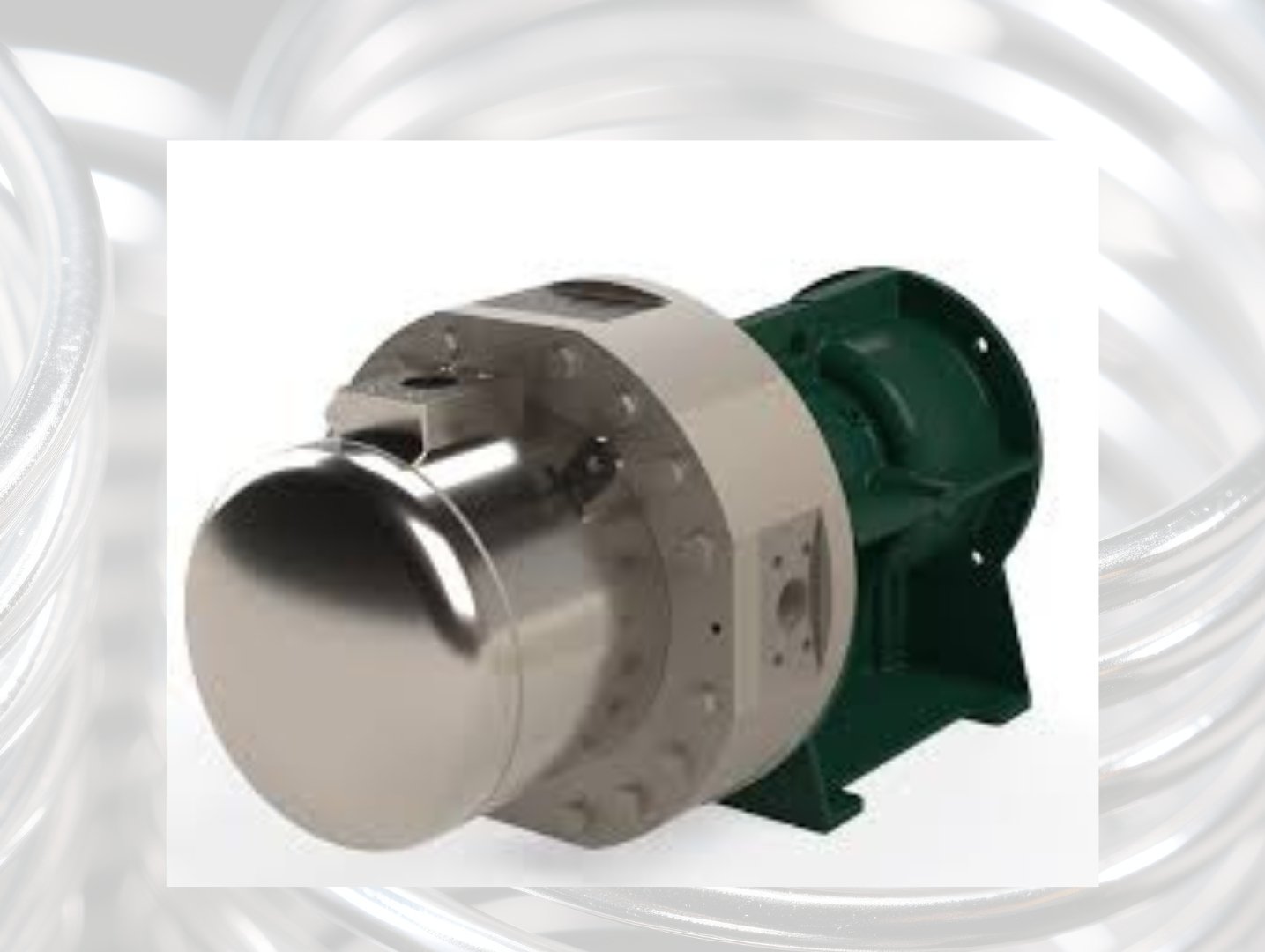
Stainless steel liquid ring compressors may not attract everyday attention, yet they play a critical role across many industries. These machines are designed to compress gases using a rotating liquid ring that forms a seal inside the compressor. This design allows them to handle wet, saturated, or contaminated gases far more effectively than many other compressor types.
The global market for these compressors is showing steady expansion. From USD 1.58 billion in 2026, forecasts suggest it will climb to USD 2.75 billion by 2034, reflecting a compound annual growth rate (CAGR) of 7.2 per cent. This growth is not accidental. It is being fuelled by structural changes in industries, stricter regulations, and a clear preference for reliable, corrosion-resistant equipment.
Industries today are operating under intense pressure. Production volumes are rising, environmental rules are tightening, and operational efficiency has become a top priority. In this environment, equipment that can operate reliably under harsh conditions is highly valued.
Stainless steel liquid ring compressors are particularly attractive because stainless steel offers natural resistance to corrosion. In sectors where aggressive chemicals, moisture, or impurities are common, this resistance becomes essential rather than optional.
Why industries are driving demand
One of the strongest growth drivers is the increasing use of these compressors in chemical processing and pharmaceutical manufacturing. Both sectors require equipment that can safely handle reactive gases and vapours without degrading over time.
Liquid ring compressors are known for their ability to manage wet gases. Unlike some compressor technologies that struggle with moisture, these systems perform well even when vapours condense during operation. This characteristic makes them especially suitable for demanding industrial processes.
Environmental and safety regulations are also playing a major role. Many industries are being compelled to replace older machinery with equipment that meets modern standards. Stainless steel compressors often comply with internationally recognised certifications while reducing risks of contamination or leakage.
Industry observers often note that manufacturers are placing greater emphasis on equipment lifespan rather than simply focusing on initial purchase price. Longer service life means fewer breakdowns, reduced downtime, and more predictable maintenance costs.
Energy efficiency is another factor reshaping purchasing decisions. Newer compressor designs are built to consume less power while maintaining performance. For energy-intensive sectors such as power generation or large-scale processing plants, even small efficiency improvements can translate into substantial savings over time.
In India, these drivers are particularly visible. Rapid industrialisation, expanding pharmaceutical capacity, and growing chemical production are creating consistent demand for durable vacuum and compression solutions.
The cost challenge and other barriers
Despite clear advantages, stainless steel liquid ring compressors are not without challenges. The most obvious obstacle is the higher initial investment. Stainless steel, being a premium material, raises manufacturing costs. As a result, these compressors are often priced 25 to 40 per cent higher than comparable units made from standard materials.
For price-sensitive markets or smaller industrial operators, this difference can slow adoption. Even when long-term savings are evident, budget constraints frequently influence purchasing decisions.
Manufacturing complexity adds another layer of difficulty. These compressors require precision engineering to ensure stable liquid ring formation and consistent performance. This level of accuracy can restrict rapid production scaling, particularly during sudden demand surges.
Maintenance is another area of concern. Stainless steel compressors demand specialised servicing and trained technicians. In regions where service networks are limited, companies may hesitate to invest in equipment that cannot be easily supported.
India reflects this challenge uniquely. While the country has strong engineering talent, the availability of highly specialised maintenance services can vary by region. Industrial clusters typically have better access to expertise, whereas remote areas may face service gaps.
Competition from other technologies
The market is also facing competition from alternative compressor technologies. Rotary screw compressors and oil-free systems are gaining popularity in many medium-pressure applications. These alternatives often appeal to buyers prioritising lower upfront costs or simplified operation.
Liquid ring compressors maintain a clear advantage in corrosive or wet environments, yet they encounter competition in more general industrial uses. In situations where gas purity and corrosion resistance are less critical, other compressor types may be considered more economical.
This competitive pressure is pushing manufacturers to innovate. Companies are working on improved sealing systems, enhanced materials, and smarter monitoring capabilities to differentiate their offerings.
New opportunities emerging, especially in India
While challenges exist, opportunities remain significant. The Asia-Pacific region is widely regarded as the strongest growth engine, with projected expansion rates surpassing many other regions. India, in particular, stands out as a market with high potential.
The country’s pharmaceutical industry continues to grow, supported by both domestic demand and export activity. Chemical manufacturing, water treatment projects, and food processing expansion are also contributing to rising equipment needs.
Local manufacturing partnerships are increasingly seen as a practical strategy. By producing compressors closer to end markets, companies can manage costs, shorten delivery times, and strengthen supply chains.
Technological progress is creating further possibilities. Hybrid sealing systems, improved two-stage compressor designs, and digital monitoring features are attracting attention. IoT-enabled systems that allow predictive maintenance are becoming especially relevant, as industries seek to minimise unexpected failures.
Indian industries are showing growing interest in such digital solutions. Predictive maintenance aligns well with the country’s push towards smarter factories and Industry 4.0 adoption.
Key players shaping the competitive landscape
The market remains relatively consolidated, with a handful of established manufacturers holding significant shares. Companies such as Pompetravaini, Ingersoll Rand, and Busch Vacuum Solutions are recognised for their technical expertise and global reach.
Alongside these major names, niche specialists and emerging Asian manufacturers are gaining ground. Some compete through customised solutions, while others focus on competitive pricing to attract developing markets.
Chinese manufacturers, in particular, are becoming more visible, offering cost-effective alternatives. European players continue to maintain strong positions in high-end industrial segments, supported by sustained investments in research and development.
Competition is intensifying, yet it is also driving faster innovation and broader product choices.
Trends reshaping the market
Several clear trends are influencing the direction of the market. The demand for corrosion-resistant equipment is steadily increasing, especially in industries dealing with aggressive chemicals or challenging process conditions.
Two-stage liquid ring compressors are attracting greater interest due to their improved efficiency and vacuum performance. These systems are often preferred in applications requiring higher reliability and reduced energy consumption.
Regional dynamics also matter. Asia-Pacific continues to dominate growth discussions, while North America and Europe remain important for high-precision and specialised applications.
India’s role within the Asia-Pacific is growing stronger. Expanding industrial capacity, infrastructure development, and regulatory shifts are reinforcing the country’s position as a key demand centre.
The road ahead
The outlook for the stainless steel liquid ring compressors market appears broadly positive. Growth projections indicate steady expansion, supported by industrial modernisation, regulatory compliance needs, and efficiency improvements.
For India, the story is particularly compelling. As industries scale up and technology adoption accelerates, demand for durable and efficient compression systems is likely to remain strong.
The key question for buyers may no longer be whether to invest in stainless steel compressors, but rather how to balance upfront costs with long-term operational gains. In a business environment increasingly focused on reliability and sustainability, that balance is becoming more important than ever.