Stainless Steel Leads the Way in Circular Economy Performance
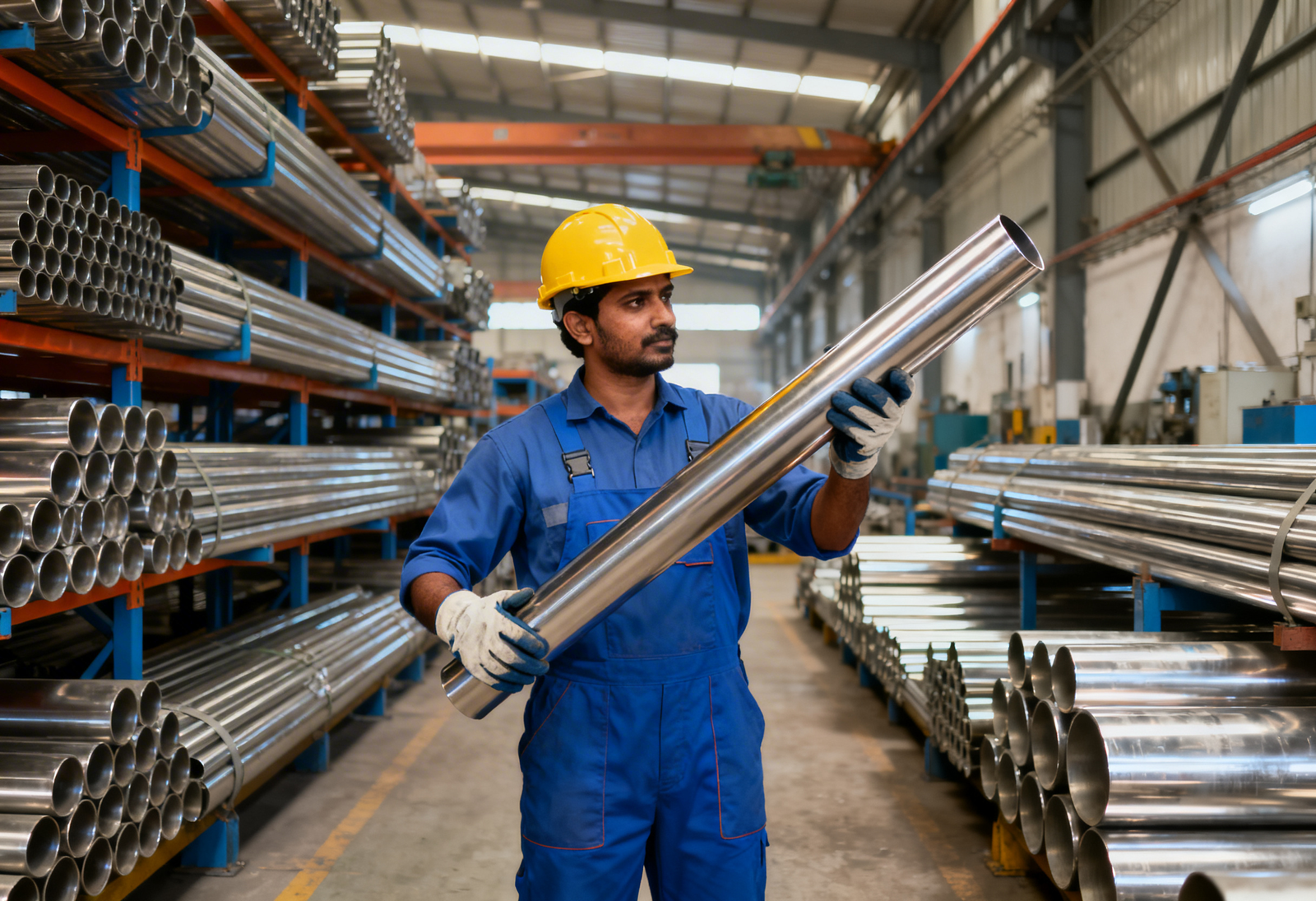
Stainless steel is quietly one of the most circular materials in modern industry. Stainless steel is effectively 100 per cent recyclable by material type. When recovered, its alloying elements such as chromium, nickel and molybdenum are retained and returned to production. Studies of stocks and flows show that on average about 95 per cent of stainless steels are recycled at their end of life. In 2019, the global “scrap ratio”, i.e., the proportion of recycled material in new stainless production, stood at 48 per cent. That matters for embodied carbon and supplier claims.
One core reason stainless steel recycles so well is its inherent material nature. As a metal alloy, it does not break down into complex molecules the way plastics or composites do. Its valuable alloying metals retain value, ensuring that scrap has a consistent market and a powerful economic incentive for collection and sorting. Further, there is an established industrial process chain that accepts stainless scrap from manufacturing off-cuts or end-of-life products and remelts them to produce new alloys with no loss of quality.
From the perspective of business-to-business buyers, producers, fabricators, and procurement teams, the circularity of stainless steel offers real advantages. First, recycled-content stainless significantly lowers embodied carbon. Analyses of energy use across life cycles show that producing austenitic stainless steel from scrap requires about half the energy of virgin production and emits far less CO₂. That can be critical for bodies demanding low-carbon credentials.
Second, recycled scrap offers resilience and cost benefits. When scrap is available, reliance on it reduces exposure to raw ore price volatility, mining constraints or supply-chain disruptions. Because scrap retains value, it increases material security.
Third, stainless steel’s durability and long service life mean many existing installations will not become scrap for decades. In high-value sectors like infrastructure, transport, process engineering, and industrial plants, that longevity is a strength. This means specifying stainless components offers both a long lifespan and, eventually, circular-economy value when dismantled.
There are some constraints as well. The high recyclability rate does not guarantee unlimited scrap. Because stainless components often last decades, the supply of end-of-life scrap can be limited, in particular in emerging markets or fast-growing economies where lots of stainless steel were recently installed and not yet retired. Even though recycled stainless is theoretically 100 per cent reusable, actual recycled content in any piece depends on scrap availability, local collection systems, sorting practices and manufacturing demand.
Contamination and mixed metal streams may reduce the value of recycled material. For high-grade stainless alloys, scrap must be carefully segregated and processed to meet specification demands. That requires disciplined scrap management at manufacturing, demolition or end-of-life stages.
For procurement or engineering teams building for sustainability or circular economy outcomes, this presents a clear case for action. They can begin by requesting from suppliers the recycled content percentage and, wherever feasible, prioritising components with higher scrap-derived content. The engineers can encourage design for disassembly so that at the end of life, stainless parts can be recovered rather than discarded. Procurement teams can push fabricators and contractors to collect off-cuts and waste stainless scrap separately to ensure purity and maximise future recyclability.
In sectors ranging from construction to industrial plants to process engineering, adopting stainless steel with high recycled content or planning for future recycling builds resilience, reduces carbon exposure and aligns with circular-economy goals. For B2B actors with a long-term horizon, the benefits are not just ethical or reputational but also material and financial. Stainless steel may seem like an ordinary metal, but in its recyclability and longevity, it offers a model for sustainable industrial materials.