Sambhv Steel, Subsidiary Sign Key MoUs Under PLI 1.2 Scheme
Sambhv Steel Tubes and its subsidiary have committed nearly Rs 362 crore under the government’s PLI Scheme 1.2 for specialty steel, signalling a sizeable push into high-value stainless and alloy steel products. With India’s specialty steel demand rising across automotive and infrastructure sectors, the move raises a key question: can fresh capacity help domestic producers capture more of this fast-growing market?
New investment plans
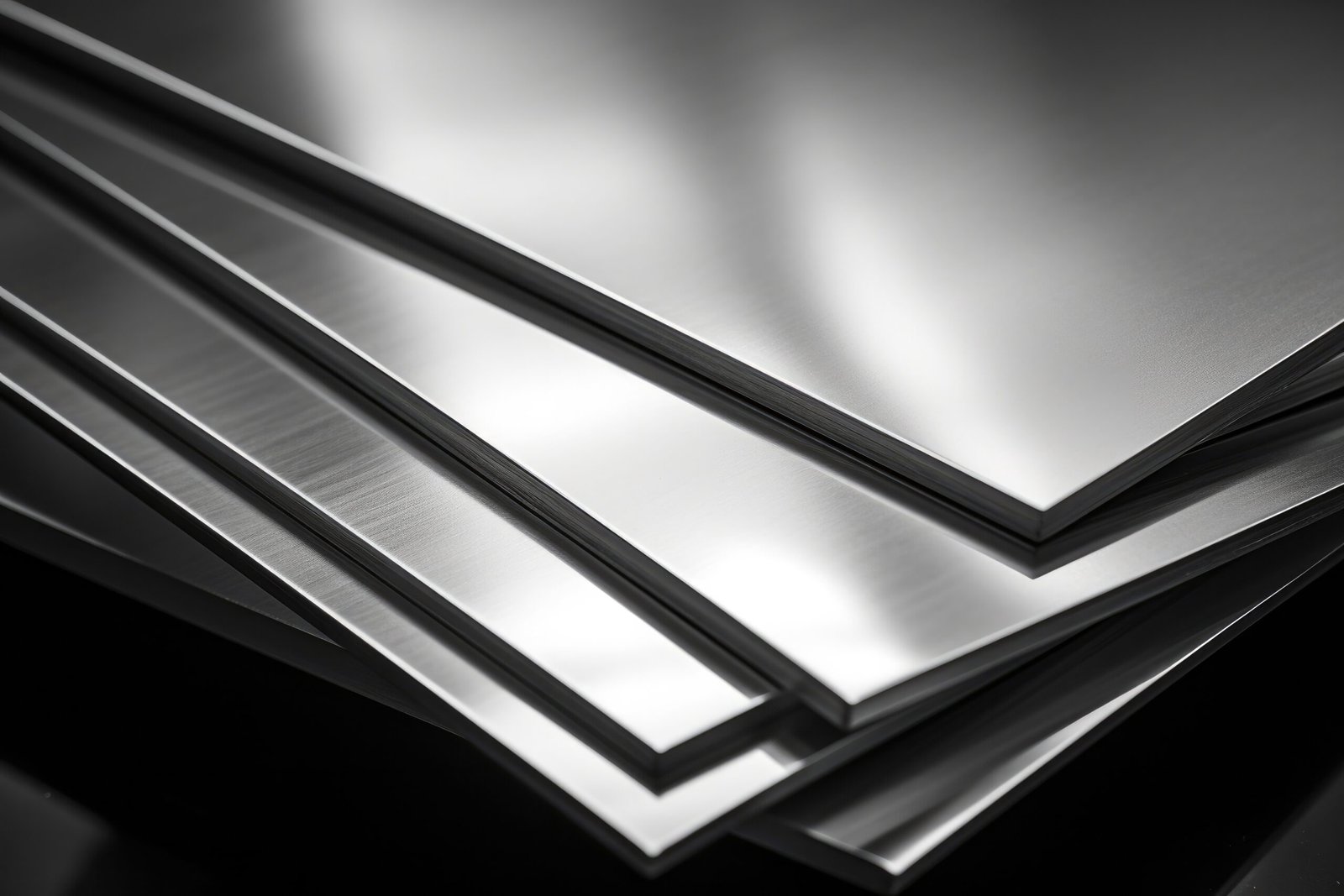
Sambhv Steel Tubes Ltd has signed a Memorandum of Understanding with the Ministry of Steel under the Production Linked Incentive (PLI) Scheme 1.2 for specialty steel. The company plans to invest Rs 181.75 crore to set up facilities for thin precision-gauge stainless steel sheets ranging from 0.18 mm to 0.4 mm.
The proposed unit is designed to deliver a committed production capacity of 116,000 tonnes per year, with operations targeted by FY 2027–28. Such thin-gauge stainless steel products are widely used in engineering, automotive and electrical applications, where precision and material performance are critical.
Company representatives described the investment as a step aligned with changing market needs, noting that demand for specialised steel products continues to expand alongside industrial growth.
Subsidiary expansion
Separately, Sambhv Tubes Pvt Ltd, a wholly owned subsidiary, has entered into its own agreement under the same scheme. The subsidiary will invest Rs 180 crore between 2025–26 and 2027–28 to establish and expand manufacturing facilities for alloy steel, including stainless steel rolled long products.
The planned addition will create a dedicated capacity of 24,000 tonnes per year. According to the company, the new facilities are intended to meet projected production targets while adhering to the PLI scheme’s operational guidelines.
Management indicated that the expansion would strengthen the group’s product portfolio, particularly in higher-value steel segments that serve strategic and industrial uses.
Policy support and governance clarity
The investments form part of the broader PLI Scheme 1.2 initiative, which seeks to boost domestic specialty steel production, attract private investment and reduce reliance on imports. Industry observers view specialty steel as vital for sectors such as automotive, energy, engineering and infrastructure.
The company stated that participation in the scheme could improve cost efficiencies and competitiveness over time, potentially supporting market share gains. It also clarified that the agreements do not involve any shareholding changes with the government, related-party transactions or nominee directors.
Officials added that any future developments, including amendments or terminations, would be disclosed in line with regulatory requirements. Market participants are expected to track how effectively the planned capacity additions translate into operational and financial performance in the coming years.