India’s stainless steel industry eyes a $33.8 Billion future
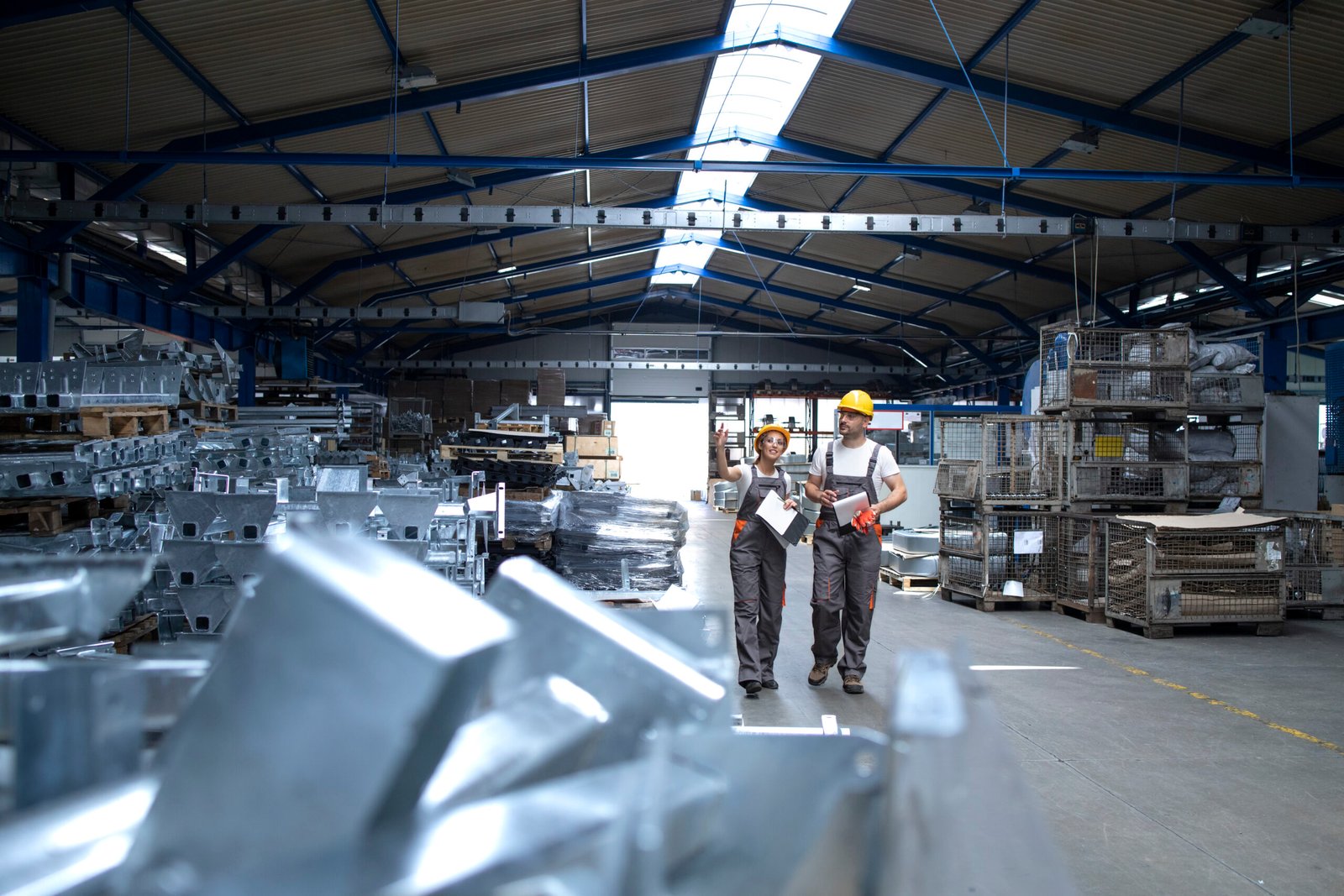
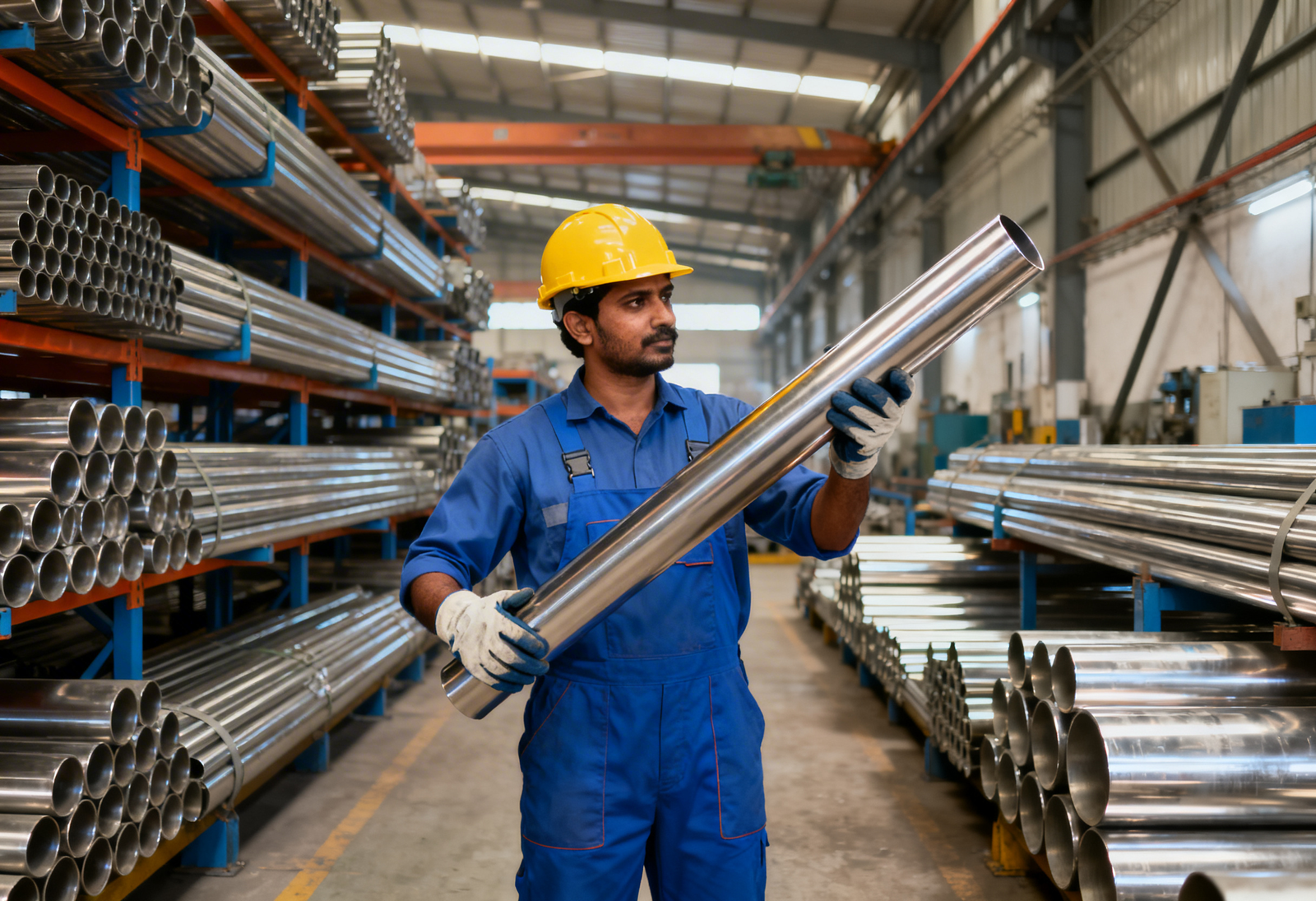
Factory workers in industrial production hall.
India’s stainless steel industry is on course to nearly double in value over the next decade, rising from USD 18.5 billion in 2025 to USD 33.8 billion by 2035. What is driving this steady growth, and why is stainless steel becoming one of the country’s most relied-on industrial materials?
A market shaped by growth, infrastructure, and everyday demand
Stainless steel has quietly become part of India’s daily life. From bridges and buildings to kitchenware, vehicles and factory floors, its use is expanding as the country builds, modernises and manufactures at scale. Industry estimates suggest the market will grow at a compound annual rate of 6.2 per cent between 2025 and 2035, supported by rising domestic consumption and steady export demand.
Much of this momentum comes from infrastructure spending and urban growth. Large construction projects, transport networks and industrial parks are increasing the need for materials that can last longer and perform reliably in tough conditions. Stainless steel fits that requirement well. It resists corrosion, holds its strength over time and offers a clean, modern finish that architects and engineers prefer.
Manufacturing growth is another strong pillar. As India strengthens its position as a global manufacturing hub, demand for high-performance metals is rising. Stainless steel is widely used in industrial machinery, chemical plants, oil and gas facilities, food processing units and pharmaceutical factories. Companies such as Tata Steel Limited, Jindal Stainless Limited and JSW Steel Limited are expanding capacity and upgrading production lines to meet this growing demand.
Industry observers note that sustainability is also playing a larger role in material choices. Stainless steel is recyclable, durable and suited to long life cycles, helping companies meet environmental goals while managing costs over time. Improvements in energy-efficient production methods and recycling techniques are further adding to its appeal, particularly as manufacturers align with stricter environmental standards.
By 2035, the industry’s total revenue is expected to grow more than 1.8 times compared to current levels. Market participants point out that this growth is not driven by a single sector, but by steady demand across construction, automotive, consumer goods and heavy industry.
Exports are adding another layer of opportunity. With competitive manufacturing costs and improving quality standards, Indian producers are supplying stainless steel to global markets. Firms such as Steel Authority of India Limited, Mukand Limited and Ratnamani Metals & Tubes Ltd. are strengthening their export presence, while government initiatives aimed at boosting domestic manufacturing are helping companies invest in newer technologies.
Why austenitic steel and flat products lead the way
Within the broad stainless steel market, austenitic stainless steel stands out as the most widely used type. It is expected to account for about 28.4 per cent of market revenue in 2025 and nearly three-quarters of total volume consumption. Its popularity lies in its balance of strength, corrosion resistance and ease of fabrication.
Industry sources explain that austenitic stainless steel can be shaped, welded and finished with relative ease, making it suitable for a wide range of applications. It performs well in high-temperature and corrosive environments, which is why it is commonly used in chemical plants, food processing units, kitchens and industrial equipment.
Another advantage is its reliability over the long term. Buyers are paying closer attention to lifecycle costs rather than just upfront prices. Materials that need less maintenance and offer longer service life are gaining preference, and austenitic steel meets those expectations.
Flat products are also dominating the market. Sheets, plates and coils are expected to make up around 55.6 per cent of total market revenue in 2025. These products are widely used in construction, automotive panels, appliances and industrial equipment. Their flat form allows manufacturers to cut, bend and shape them efficiently, supporting large-scale production.
Advances in rolling, surface treatment and coating technologies have improved the quality and finish of flat products. Manufacturers can now offer better corrosion resistance, consistent thickness and smoother surfaces, which helps expand their use across sectors.
Grade-wise, the 300 series stainless steel remains the most preferred, with an estimated 41.7 per cent share of market revenue in 2025. Known for high corrosion resistance and thermal stability, it is commonly used in construction, automotive components, kitchenware and chemical processing. Industry feedback suggests that better alloy control and improved processing techniques have strengthened confidence in this grade.
Together, austenitic types, flat forms and 300 series grades reflect a clear trend: buyers want materials that are versatile, dependable and suited to modern manufacturing needs.
Regional strongholds shaping stainless steel demand
Geographically, West India continues to be the centre of stainless steel activity. States such as Maharashtra and Gujarat benefit from proximity to ports, access to raw materials and strong industrial infrastructure. Industry estimates suggest West India could account for around 43 per cent of national consumption by 2035.
The region hosts a wide mix of end-user industries, including automotive, petrochemicals, construction and pharmaceuticals. This diversity helps create stable, ongoing demand. Easy access to ports like Nhava Sheva, Mundra and Kandla also supports exports, allowing manufacturers to serve international markets efficiently. Several leading players, including Jindal Stainless Limited and Welspun Specialty Solutions Ltd, have major operations in this region.
Maharashtra stands out as a key state, supported by its large industrial base, coastal access and established manufacturing ecosystem. Tamil Nadu is also emerging as a major growth area, driven by its strong automotive sector and expanding infrastructure projects. Analysts expect steady growth in stainless steel demand across both states over the next decade.
Risks and the road ahead for Indian stainless producers
At the same time, the industry faces challenges. Price volatility in raw materials such as nickel and iron ore can affect margins and planning. Supply chain disruptions and global market uncertainty also pose risks, particularly for companies dependent on imports or exports.
Despite these pressures, the long-term outlook remains positive. Sales growth between 2020 and 2025 was around 4.4 per cent annually, and the pace is expected to accelerate to 6.2 per cent between 2025 and 2035. Automotive production, infrastructure development and rising use of stainless steel in household products are expected to support this trend.
In the automotive and transport sector, stainless steel is used in exhaust systems, fuel tanks, structural components and decorative trims. Its strength-to-weight ratio helps manufacturers reduce vehicle weight without compromising safety or performance. Railways, bridges and transport infrastructure also rely on stainless steel for durability and corrosion resistance.
Construction remains another strong driver. Stainless steel is increasingly used in beams, columns, cladding, façades and roofing. Architects favour it for its modern look and ability to withstand harsh weather conditions. Its recyclability also aligns with greener building practices.
Industrial machinery and components add further demand. Cutting tools, moulds, equipment housings and processing units often use stainless steel because it resists wear and maintains performance under stress.
Looking ahead, industry leaders believe continued investment in technology, research and supply chain efficiency will be critical. The big players already control more than half the market, while smaller and specialised producers serve niche needs. Competition is pushing companies to focus on quality, innovation and long-term partnerships.
As one industry observer puts it, stainless steel is no longer just a material of choice as it is becoming a material of necessity. With India’s economy expanding and its infrastructure ambitions growing, stainless steel is set to remain a backbone of industrial progress well into the next decade.