Global stainless steel market shows steady growth outlook to 2030
The global stainless steel industry recorded a value of US $111.4 billion in 2022. Moreover, projections place the industry at US $179.5 billion by 2030. The industry may grow at a CAGR of 6.2 per cent during 2024–2031.
DataM Intelligence recently published its report titled Stainless Steel Market Size 2025. The study presents detailed information on industry structure, segmentation and regional activity. Additionally, it outlines volume trends, material usage and development patterns.
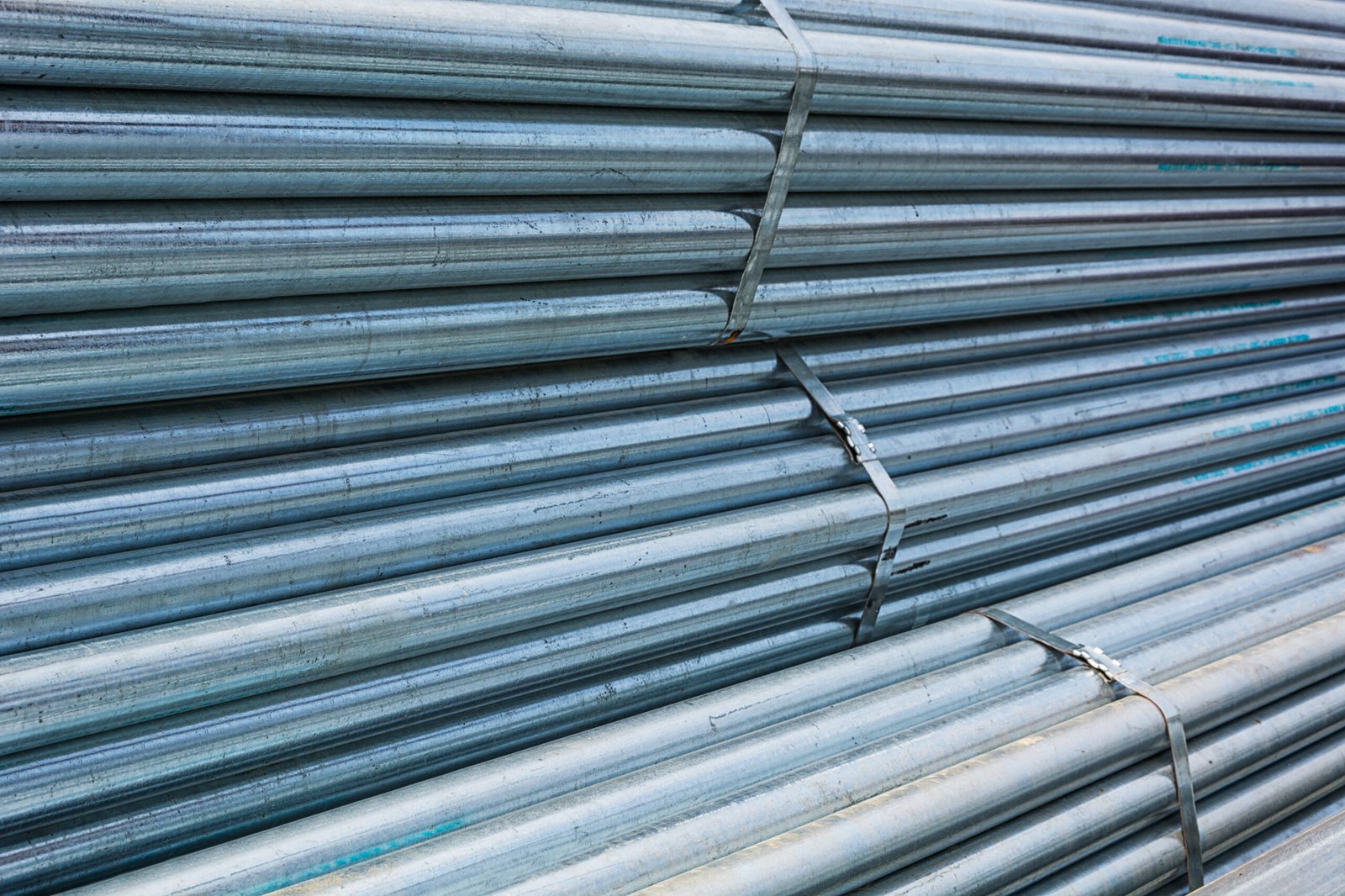
Stainless steel is an iron-based alloy with at least 10.5 per cent chromium. Furthermore, manufacturers add nickel and molybdenum to enhance durability and corrosion resistance. As a result, the material suits long-life and hygiene-critical applications.
Industries use stainless steel across construction and transportation. Meanwhile, food processing and medical devices rely on its clean surface properties. Energy and industrial manufacturing also depend on its strength and recyclability.
In the United States, several producers adjusted operations during 2025. In July 2025, Cleveland-Cliffs aligned stainless steel capacity with infrastructure and automotive needs. Meanwhile, ATI Inc. expanded output for aerospace and defence applications.
In May 2025, Outokumpu introduced low-carbon stainless steel offerings in the US. Moreover, the company focused on supply chain efficiency and sustainability goals. These steps supported cleaner production practices.
European producers also introduced technical upgrades. In July 2025, Outokumpu launched low-emission stainless steel made with recycled content. Meanwhile, Acerinox invested in advanced melting and rolling technologies.
In May 2025, Thyssenkrupp Materials expanded stainless steel services. Consequently, the company supported automotive and hydrogen infrastructure projects across Europe.
Asia-Pacific producers continued capacity and product development. In July 2025, Tsingshan Group increased stainless steel output for EV components and appliances. Meanwhile, Nippon Steel developed high-strength grades for mobility and energy systems.
In India, Jindal Stainless expanded specialty stainless steel production. As a result, domestic sectors such as railways and renewable energy received material support. Infrastructure projects also benefited from these additions.
The industry includes producers such as POSCO, Acerinox and Aperam. Moreover, ArcelorMittal, Baosteel and China Baowu play significant roles. JFE Steel, Jindal Stainless and Nippon Steel also remain key participants.
Stainless steel types include austenitic, ferritic and martensitic grades. Additionally, duplex and precipitation-hardening grades serve specialised needs. Products range from flat coils to bars and plates.
Geographically, Asia-Pacific accounts for major production and use. Meanwhile, North America and Europe maintain diverse industrial applications. South America and the Middle East show steady adoption.