Digitisation will not remove jobs but will change them: Jindal Stainless’ Bhavna Chopra Shrikrishna
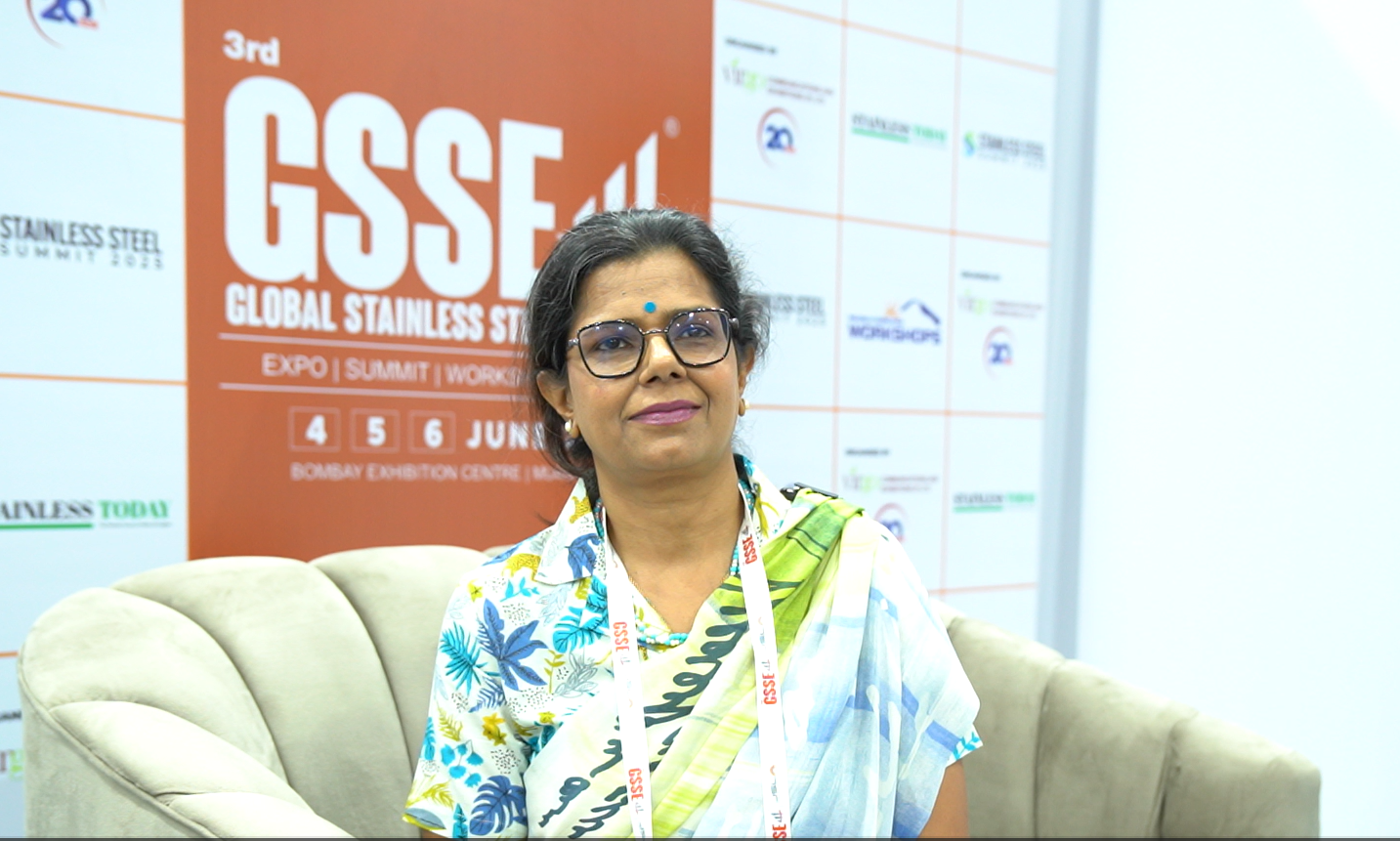
Bhavna Chopra Srikrishna, Head of Stainless Academy at Jindal Stainless, shares insights on workforce gaps, digitisation, skills development and future trends shaping India’s stainless steel industry.
As stainless steel continues to gain importance across a wide range of industries, including infrastructure, manufacturing, defence, pharmaceuticals and food processing, the pressure on the workforce supporting this growth is increasing. While production and applications are expanding rapidly, the availability of skilled and trained professionals has not kept pace. Many workers lack basic awareness of stainless steel grades and applications, while others struggle with essential hands-on skills such as fabrication, welding and reading technical drawings.
Team Stainless Today spoke with Bhavna Chopra Srikrishna, Head, Stainless Academy, Jindal Stainless, at the Global Stainless Steel Expo (GSSE) 2025. In this interview, she addressed recent research, workforce challenges in the downstream and MSME sectors, the need for standards and curriculum, and the role of technology and future applications.
What kind of groundwork has the Stainless Academy been doing recently?
Over the last year, we have spent a lot of time planning, speaking with stakeholders and understanding where the real gaps are. One important point to clarify is that the Stainless Academy does not work only for JSL. It works for the downstream industry, the midstream, and the application sectors. Stainless steel is growing rapidly in India, but the workforce needed to support this growth is simply not there. That is where we are trying to make a difference.
We commissioned a study that covered about 1700 people, including around 550 individual fabricators. We looked at four key segments: independent fabricators in the unorganised sector, students from engineering and ITI backgrounds who form the supply side, employees working mainly in MSME units in the downstream sector, and finally the employers themselves.
What gaps did you identify in your study?
Across these four groups, the first major gap we found was a lack of category awareness. There is not enough understanding about stainless steel, its benefits, and where it should be used. This gap exists not only at the consumer level but even among people working in end-use sectors such as dairy and pharmaceuticals. For example, do engineers fully understand which grades of stainless steel are suitable for which applications? Very often, the answer is no.
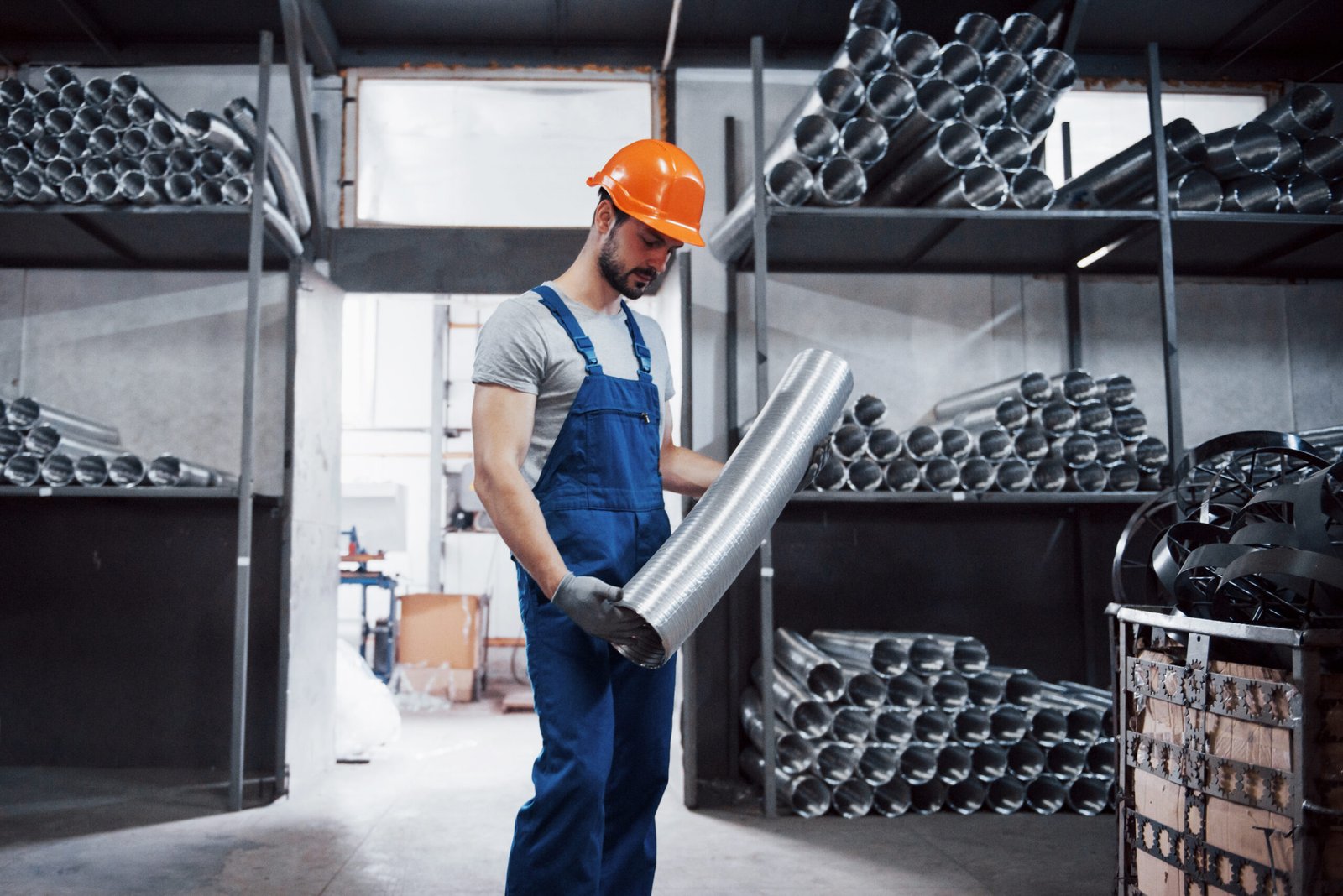
The second major gap is at the hands-on level. When it comes to cutting, fabrication, welding and finishing, many workers still do not know the correct tools, techniques or processes. In MSMEs, another common challenge is that many workers cannot read technical drawings properly, which directly affects product quality. We need a much larger pool of trained workers who are confident with these basic skills.
The third gap is in research and development. We need more R&D around new grades of stainless steel, and we also need to adapt existing grades to suit the specific needs of the downstream industry.
What future trends do you see shaping the stainless steel industry?
Looking at the future, the range of applications for stainless steel is expanding quickly. Defence is a major example. India already uses stainless steel for defence, but demand is going to grow. Whether it is in defence systems or weaponry, stainless steel will be a key part of the value chain. To support this, we need a highly skilled workforce.
Digitisation is another big trend. AI and machine learning will not remove jobs, but they will change them. Someone still needs to operate the systems, the machines and even the drones we see being used today. This means we need more advanced skills on the ground.
How prepared is the industry in terms of standards and curriculum?
Coming from the National Skill Development Corporation, I can say this with confidence: until JSL took the initiative, there were no standards or curriculum for stainless steel at the engineering, education or skilling levels. We created the first qualification pack, but we need much more. We need standards, curriculum, high-quality content, labs, workshops and stronger partnerships with the government. This is why the Stainless Academy exists: to help build both the soft and hard infrastructure needed to create a strong skills ecosystem for stainless steel.
How has your experience been at the GSSE?
I am truly impressed with this event and the team behind it. I have attended many conferences and exhibitions, and this one stands out. For only its third edition, it is extremely well organised and very purposeful. The discussions here are important, and the level of execution is excellent. Events like this play a major role in spreading awareness. As the saying goes, “You don’t know what you don’t know.” This exhibition helps people discover what is possible in stainless steel, and that is a big step forward.