As stainless steel market booms, where does India stand?
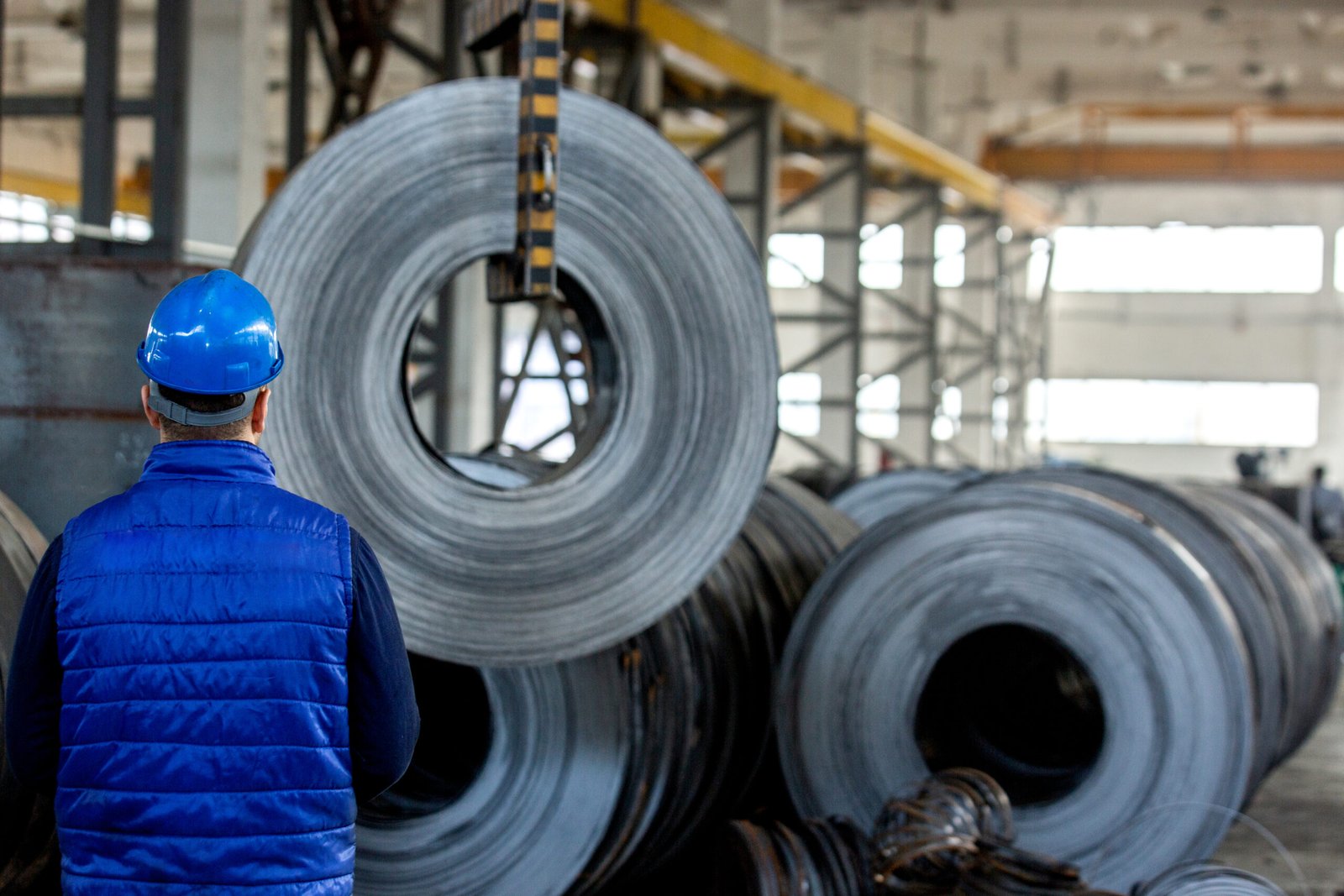
As industrial demand, urban growth, and sustainability goals come together, India’s stainless steel market is about to enter a crucial growth phase. Valued globally at USD 217.58 billion in 2025 and set to reach USD 323.18 billion by 2033, the market’s steady growth raises a key question: where does India stand in this fast-changing industry?
India at the centre of Asia-Pacific growth
The global stainless steel market is undergoing a broad shift shaped by technology, sustainability priorities, and changing customer expectations. Within this transition, the Asia-Pacific has emerged as the fastest-growing region, and India is playing an increasingly important role.
India’s growth is being driven by infrastructure development, rising manufacturing capacity, and policy-led industrial expansion. New factories, modernised plants and growing investments in transport, energy and urban projects are lifting demand for stainless steel across construction, automotive, consumer goods and industrial applications. At the same time, Indian producers are adopting digital tools such as automation, data analytics, and connected systems to improve efficiency, reduce waste, and strengthen decision-making.
Sustainability is also gaining ground in India’s stainless steel value chain. Manufacturers are paying closer attention to energy efficiency, responsible sourcing, and recycling, aligning with global environmental, social, and governance expectations. This shift is helping Indian companies meet international standards while strengthening their position in export markets.
Innovation brings opportunity, but challenges remain
While innovation is opening new doors, it also brings challenges. Across the industry, companies are dealing with skilled labour shortages, rising compliance costs and the complexity of integrating new technologies with existing systems. Fluctuating raw material prices and global economic uncertainty are further influencing investment decisions.
In India, these pressures are prompting a sharper focus on returns from digital and operational upgrades. Companies are increasingly prioritising projects that deliver measurable efficiency gains, cost control and long-term resilience. Industry voices broadly note that success will depend on continuous workforce training, agile management models and collaboration across supply chains.
Cybersecurity and data management are also becoming more relevant as operations become more connected. Ensuring secure systems while maintaining productivity is now part of the competitive equation, especially for firms serving both domestic and international customers.
Regional outlook and investment direction
Globally, North America and Europe remain advanced markets, supported by strong regulations and mature innovation ecosystems. However, Asia-Pacific continues to outpace other regions, with India standing out for its combination of scale, demand growth, and policy support.
Investment opportunities are rising in automation, sustainable manufacturing practices, and supply chain digitalisation. For India, this presents a chance to strengthen its position not only as a large consumer market but also as a competitive manufacturing and export hub. As the market moves towards 2033, companies that balance innovation with operational discipline are expected to be best placed to capture long-term growth.