The real reason autoclaves depend on 316 stainless steel
Autoclaves work in some of the toughest conditions found in laboratories, hospitals, and industry. They face repeated cycles of extreme heat, pressure, and moisture. Why do many manufacturers rely on 316 stainless steel to withstand this punishment and still deliver safe, reliable sterilisation year after year?
Built to survive extreme sterilisation conditions
Autoclaves are not ordinary pieces of equipment. Every day, they are exposed to high temperatures, pressurised steam, and constant humidity. These harsh conditions are repeated again and again, often several times a day. Over time, this places enormous stress on the materials used to build the chamber and internal components. If the wrong material is chosen, problems such as corrosion, surface pitting, cracking, or distortion can appear. These issues do not just reduce performance; they can also shorten the life of the machine and increase long-term costs.
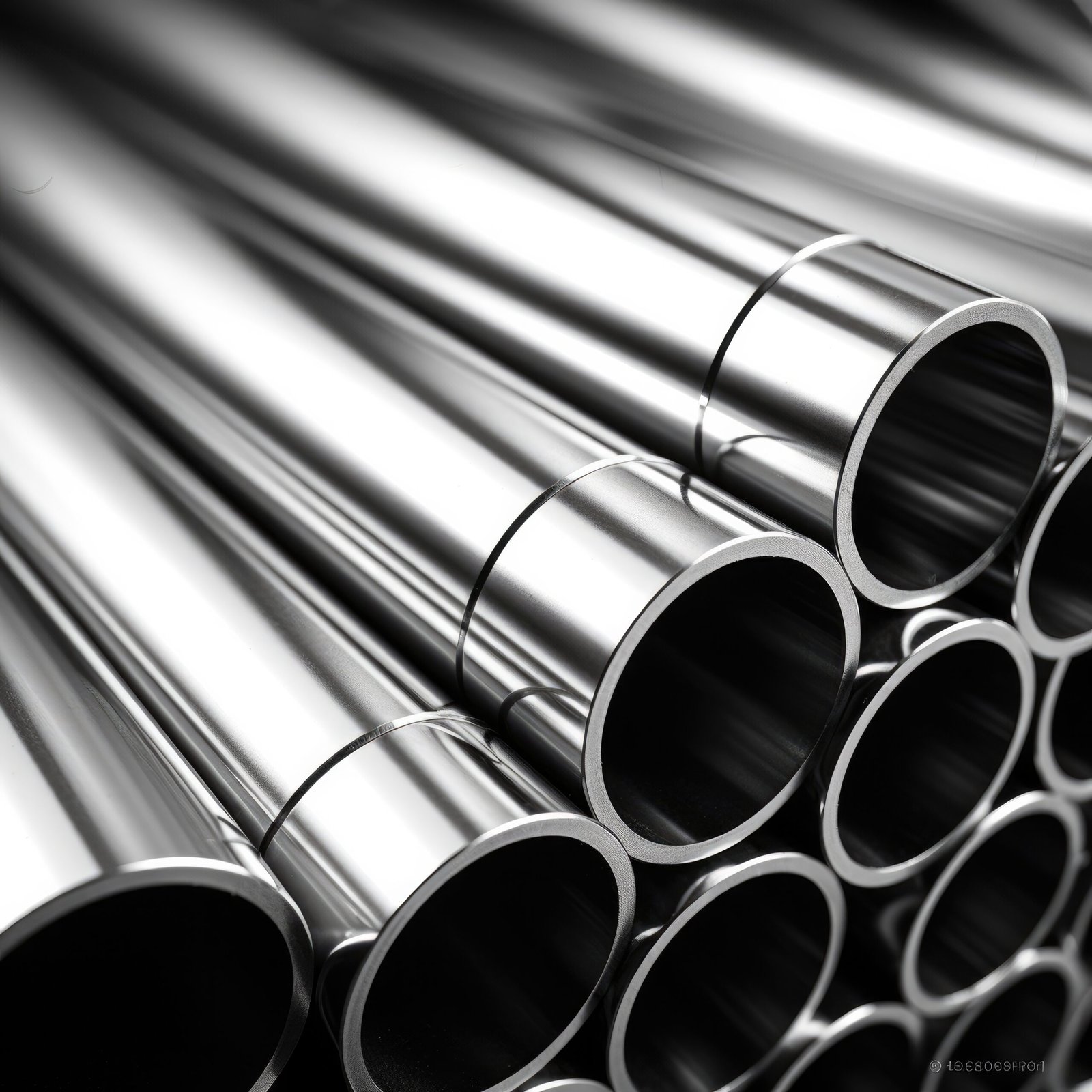
Stainless steel has long been preferred for autoclave construction because it naturally resists corrosion. This is due to chromium in the steel, which forms a thin protective layer on the surface. This layer repairs itself if damaged, helping protect the metal underneath. However, not all stainless steels perform the same way in steam sterilisation environments, which are particularly aggressive due to heat, moisture, and dissolved salts.
Type 316 stainless steel stands out because it contains molybdenum. This added element greatly improves resistance to pitting and crevice corrosion, especially in wet and chloride-rich conditions. In steam-based sterilisation, these forms of corrosion are among the most common causes of long-term damage. By resisting them more effectively, 316 stainless steel helps ensure that autoclaves remain safe, stable, and reliable over many years of use. This makes material choice a critical factor, not an optional design feature.
Manufacturing quality matters as much as material choice
While using 316 stainless steel is essential, how an autoclave is manufactured is just as important. Poor fabrication or inconsistent material sourcing can undermine even the best alloy. This is why full control over production and quality checks plays a major role in long-term reliability.
Priorclave is among the limited number of autoclave manufacturers that manage their entire supply chain in-house. From pressure vessels to major structural components, fabrication takes place at its South East London facility. This approach allows consistent use of certified 316 stainless steel across all models, along with strict oversight of workmanship and traceability.
Different laboratories have different needs, and selecting the right autoclave depends on factors such as load types, daily throughput, available space, and sustainability goals. Compact models are often chosen for smaller labs, while larger, high-capacity systems suit demanding research, education, and industrial environments. Across these applications, durable construction remains a shared requirement, as downtime and repairs can disrupt critical work.
Performance, hygiene, and long-term value
Beyond the chamber itself, attention to detail in design adds further value. External surfaces across several autoclave ranges are treated with an antimicrobial epoxy coating containing nano-silver particles. Tested to recognised international standards, this coating provides lasting protection against microbial contamination and cannot be washed away or worn off. In shared laboratories and teaching spaces, this extra safeguard helps reduce the risk of cross-contamination.
Modern autoclaves also benefit from advanced control systems that balance precision with ease of use. Intuitive interfaces allow accurate cycle programming, even when operators are wearing gloves. Practical features such as delayed start and controlled media warming are particularly useful in research environments. These functions allow media to be sterilised overnight and held at safe dispensing temperatures, reducing waste and saving valuable time at the start of the working day.
Ultimately, reliability, safety, and durability are non-negotiable in sterilisation equipment. By combining proven corrosion resistance, controlled manufacturing, and thoughtful design features, 316 stainless steel continues to define the benchmark for autoclave construction. For laboratories and facilities that depend on consistent performance under pressure, it remains the material that sets the standard.