Architect Anita Dake Calls for Deeper Understanding of Stainless Steel in Design

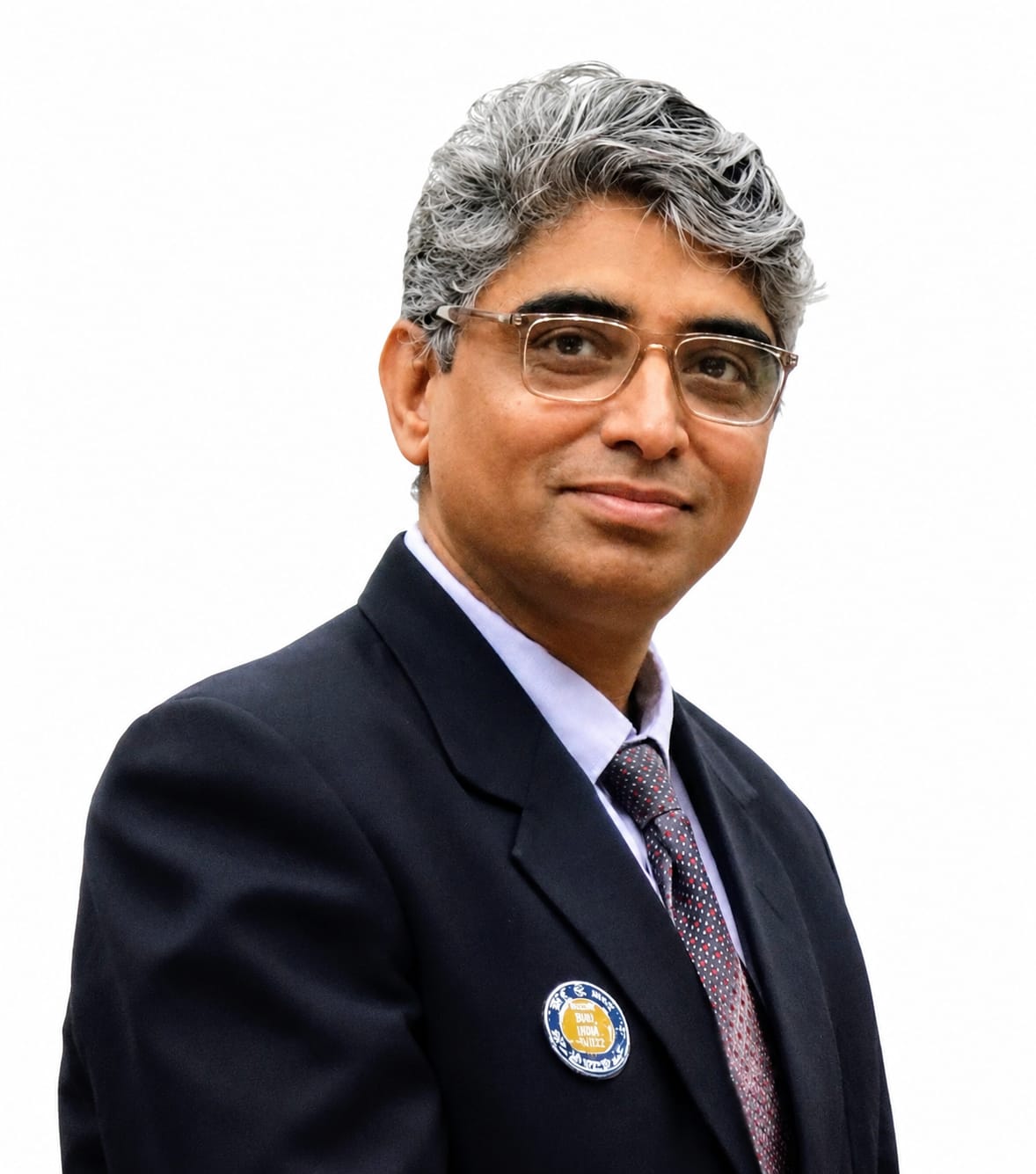
Architect Anita Dake
Architect Anita Dake reflects on her evolving relationship with steel, advocating for greater awareness, collaboration and innovation in using stainless steel in modern architecture.
With over three decades in architectural engineering, Architect Anita Dake, Founder of Vector Designs, has witnessed the evolution of construction materials—from traditional load-bearing structures to RCC, and now to the modern marvel that is stainless steel. At the Global Stainless Steel Expo (GSSE) 2025, she shares her journey with steel, the importance of design integrity, and how platforms like GSSE help bridge the knowledge gap between architects and material innovators.
How has your journey with steel evolved in architectural design?
I have been practicing architectural engineering for the last 30 years. Initially, we were quite sceptical about using mild steel in buildings, especially since we come from the era of load-bearing structures. Later, Reinforced Cement Concrete (RCC) structures became the norm. But over time, during our architecture education and practice, we were introduced to steel as a modern material, and slowly we started exploring its many properties.
What is your design philosophy when working with steel?
We always try to design structures that are true to their form and respectful of the material’s inherent properties. Our aim is to bring out both aesthetic value and functional longevity so that they go hand in hand. We want our buildings to not only look good but also last long and serve their purpose well.
What brings you to the GSSE 2025 Summit?
I’m here to learn more about stainless steel. The team gave me a very warm welcome, and I’ve thoroughly enjoyed attending the panel discussions and presentations. It has certainly added to my knowledge and perspective.
What is your view on the future of stainless steel in architecture?
I believe stainless steel has a very bright future. Seeing the kind of effort being put in by the steel industry, suppliers, manufacturers, and designers is really encouraging. I’m confident we’ll all do justice to this material by using it more efficiently in our designs.
As an architect, do you recommend stainless steel? Why?
Absolutely. Stainless steel reduces the structural footprint of a building, which is very important. At the same time, it offers great aesthetics, allowing us to create elegant and visually appealing structures. It truly is a material worth exploring and adopting in modern architecture.
At the panel discussion, you mentioned about architects and their understanding of stainless steel. Could you elaborate on that?
Yes, I did mention that on stage. As architects, we actually know very little about stainless steel as a material. Even after being in the field of architectural engineering for many years, I’ve realised there’s still so much to learn about how to use this material more efficiently and effectively in our designs.
What do you think helps bridge this knowledge gap?
Being part of forums like the Global Stainless Steel Expo plays a big role. Interacting with like-minded professionals—not just architects, but also those from engineering and manufacturing backgrounds—helps us understand the practical aspects of the material much better. It gives us a holistic view of how stainless steel can be applied in real-world projects.
How do such forums benefit professionals like yourself?
They are extremely useful. Firstly, they provide a platform where your work is appreciated, which is very encouraging. Secondly, they open up opportunities to improvise our structures by learning from others. Networking and discussions here give us insights into new techniques, applications and even challenges that others have faced and overcome.
Would you like to see more events like this?
Absolutely! It was a pleasure being here. I would love to attend many more such occasions where we can meet, interact and learn from each other. These gatherings really broaden our understanding and help us evolve as professionals.