“The stainless steel industry must invest in skill training for digitisation and new job roles in fabrication.”

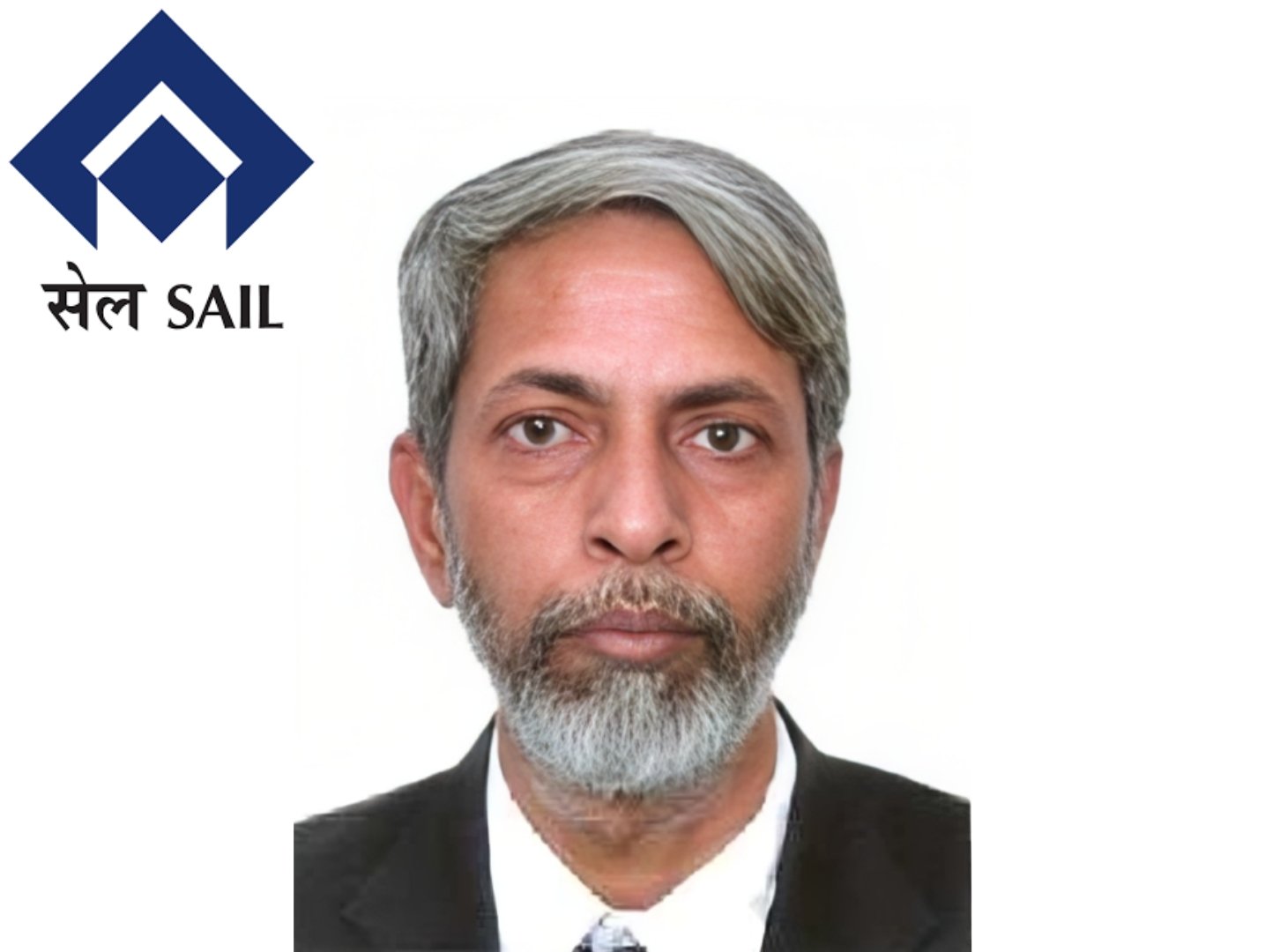
In this unique two-part series, Sushim Banerjee, CEO, Indian Iron and Steel Sector Talent Council (IISSSC), discusses the talent shortfalls in the stainless steel manufacturing sector with Kanika Mathur. This is the concluding part.
With a growing focus on sustainability in the stainless-steel industry, how are you integrating green skills into your training programmes?
The steel industry globally contributes around 8 per cent of carbon emissions. In India this percentage is higher at around 11-12 per cent, and hence there is an urgency to reduce CO2 emissions by steel plants in the country.
IISSSC feels proud that it has been associated with the program on green hydrogen conceived by the National Green Hydrogen Mission, as steel is one of the major user segments of green hydrogen, and IISSSC has been assigned to prepare the skill development pattern that would be needed to address the skilling needs of the manpower to be engaged in implementing technologies for green hydrogen use by the steel plants. Steel has been taken up in the pilot projects that have been sanctioned funding by NGHM. Accordingly, two pilot projects under the Ministry of Renewable Energy (MNRE) that have been sanctioned specify the injection of green hydrogen in blast furnaces and the use of green hydrogen in vertical shafts for making DRI (direct reduced iron) to be used for steelmaking via EAF. While the implementation of these projects would require skill training associated with these, IISSSC is currently developing job roles that are directly linked with energy efficiency measures for the reduction of carbon emissions, like the use of more natural gas, biomass, and biochar in BF; the use of more scrap-based iron and steel making; steam generation from waste heat in lieu of propane-fired boilers; carbon capture, utilisation and storage (CCUS); and the use of green hydrogen for steel making.
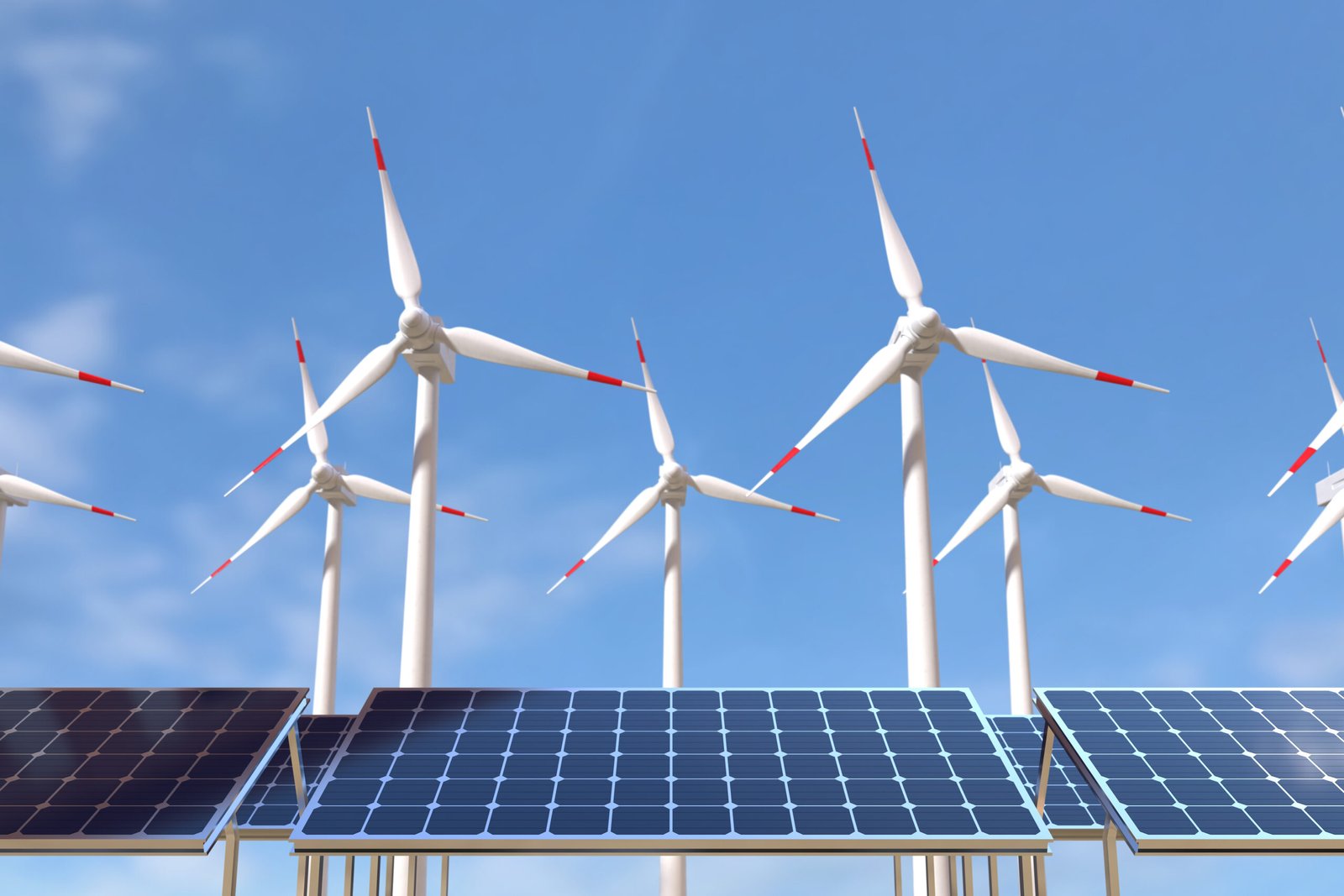
From the point of view of sustainability and carbon emission reduction, the renewable power used through solar and wind power in steel plants has immense possibilities. JSL has already been using solar power to meet a part of its plant requirement. The capacity build-up IN solar power installations is a distinct possibility, and accordingly, the development of job roles for skill development for solar panel installers and skills for maintenance of solar panels would be the focus areas for IISSSC.
It is necessary to develop a center of excellence exclusively for research in the use and application of stainless steel and develop industry-friendly smart training facilities to impart skill training.
What role do partnerships with industry stakeholders play in shaping the skill development strategies of the Council?
A favorable skill ecosystem has been developed in India post-creation of a separate Ministry of Skill Development and Entrepreneurship (MSDE) and National Skill Development Corporation (NSDC). And this has been possible only with the wholehearted collaboration and active partnership of industry stakeholders. In its initial years of development, the primary job of IISSSC was to develop the various job roles based on the occupation mapping of the steel plant, sponge iron plant, rerolling unit, and other engineering units. IISSSC formed a National Occupational Standard (NOS) Committee comprising technical officers nominated by the board member steel companies. The technical inputs provided by them enlightened the basis of the Qualification Packages developed by IISSSC and supported the relevant contents and curriculum of the training materials.
The approval of the QPs by NCVET required validation by the industry, and IISSSC was fortunate in receiving the validation of the job roles by its industry stakeholders. The validation also involved the stamp of agreement on the eligibility of the candidates in terms of educational qualification and working experience for the fresh candidates for short-term training.
The industry stakeholders provide the platform for RPL programs conducted by IISSSC. The engagement of apprentices by the industry for both designated trade and optional trade categories has made a large group of candidates employable with invaluable industry experience of one and a half years in reputed industrial establishments.
How is the Council working to attract young talent into the stainless steel industry, and what career opportunities do you foresee for them?
The plant operation in the production of stainless steel consists of raw material processing, smelting and refining in EAF, and processes like argon oxygen decarburisation (AOD), vacuum oxygen decarbonisation (VOD), alloying, continuous casting, hot rolling, annealing and pickling, cold rolling, and quality control. Research is undertaken to add value in Duplex varieties and 400 series in SS. These operations require a large number of young engineering diploma and degree holders in subjects like metallurgy and material science, mechanics, electricity, and mining. The infusion of new technologies in SS production would require young professionals in IT and instrumentation.
The demand for data analysts and PLC programmers would be high in the stainless steel industry. Units like JSL are planning massive capacity expansion, and therefore there would be demand for civil engineers and structural engineers who would be involved in propagating the use and application of stainless steel in infrastructure building and in real estate. Roughly around 10000-12000 jobs, direct or indirect, are created for 1 million tonnes of capacity addition. It is necessary to introduce stainless steel in the curriculum of engineering institutes to make skilled manpower with the requisite background available for industry placement.
The anti-corrosive properties of stainless steel have led to increasing use of stainless steel in railways, space research, automobiles, real estate, airports, and other infrastructural segments. It is necessary to create awareness of the use of stainless steel in Tier 2 & 3 cities as well as in rural areas. The young engineers who can communicate effectively and are mobile would be in high demand by the stainless-steel industry.
How does the skill landscape of the Indian stainless-steel industry compare with global standards, and what steps are being taken to enhance its competitiveness
The stainless-steel industry adheres to global standards that ensure product quality, safety, and consistency. These standards are established by various international organisations and cover aspects such as material composition, mechanical properties, and testing methods. Compliance with these standards is crucial for manufacturers, suppliers and end-users to ensure reliability and interoperability across different regions.
Key International Standards for Stainless Steel
1. International Organisation for Standardisation (ISO):
ISO 9001:2015: Specifies requirements for a quality management system (QMS). Organisations use this standard to demonstrate their ability to consistently provide products and services that meet customer and regulatory requirements. 
2. American Society for Testing and Materials (ASTM):
ASTM A240/A240M: Covers chromium, chromium-nickel, and chromium-manganese-nickel stainless steel plate, sheet, and strip for pressure vessels and general applications. 
3. European Norms (EN):
Developed by the European Committee for Standardisation (CEN), EN standards define names, measurements, tolerances, and testing procedures for stainless steel products. 
4. Unified Numbering System (UNS):
A widely adopted method for identifying metals and alloys, assigning each a unique alphanumeric code to facilitate easy cross-referencing across databases and publications. 
Skill Development and Training
To maintain and enhance competencies in the stainless-steel industry, various training programs and courses are available:
• Stainless Steel Specialist Course: Offered by World Stainless, this e-learning program provides comprehensive information about every aspect of stainless steel practice. It consists of 17 modules covering topics from introductory to more complex material, designed to improve knowledge of stainless-steel properties, performance, and uses. 
• WorldSkills Occupational Standards (WSOS): WSOS specifies the knowledge, understanding, skills, and capabilities that underpin international best practices in technical and vocational performance. It serves as a guide to required training and preparation for skill competitions, reflecting industry standards. 
Adherence to these standards and participation in recognised training programs ensure that professionals in the stainless-steel industry are equipped with the necessary skills and knowledge to meet global benchmarks.