Steel Ministry Puts Dual Certification Rule on Hold until December 2025
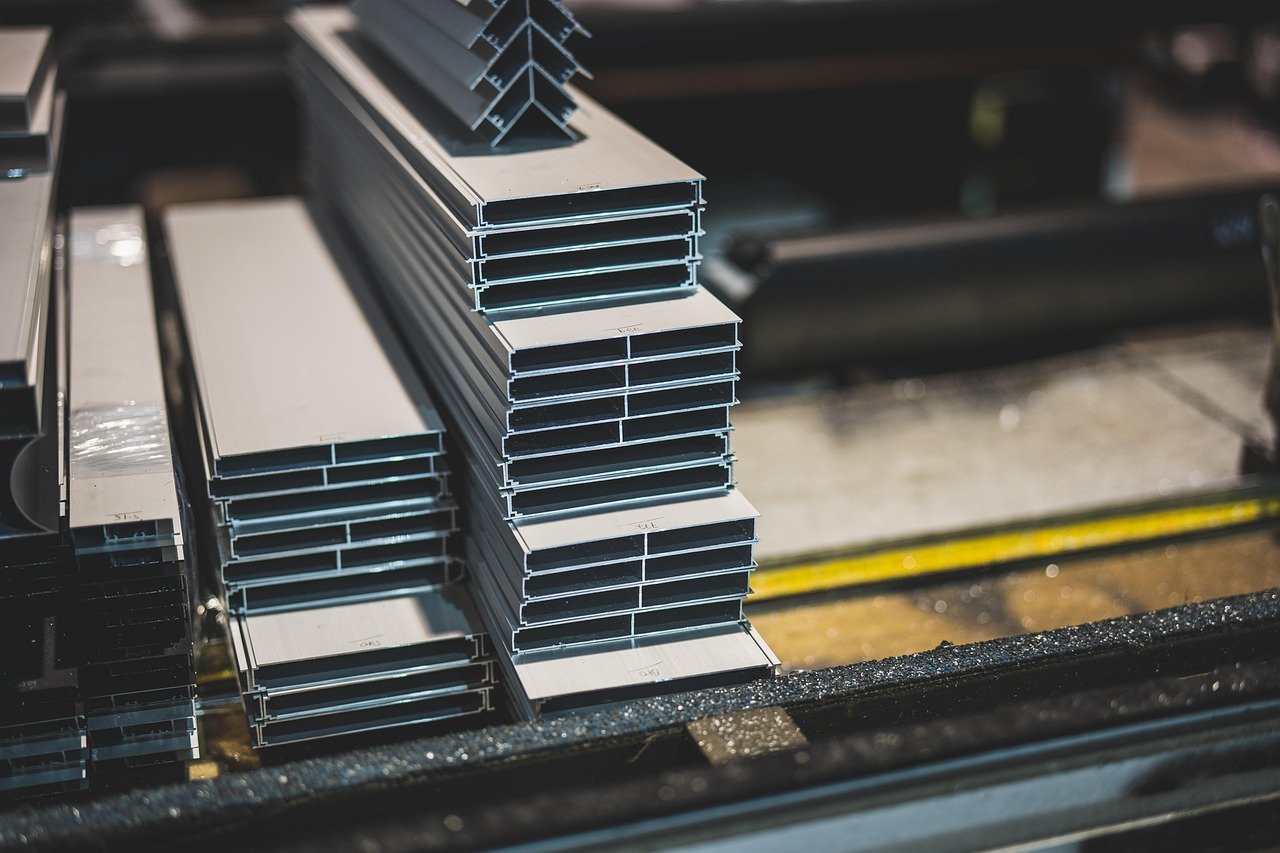
The Steel Ministry has suspended the dual certification rule for importing both finished steel goods and raw materials till December 31, 2025. This move aims to ease supply disruptions and give relief to micro, small and medium enterprises (MSMEs) struggling with severe input shortages.
The exemption covers key stainless steel-related Indian Standards like IS 6911, IS 5522, and IS 15997. Many stainless steel MSMEs and manufacturers had raised concerns that the rule made imports expensive and time-consuming. The ministry’s decision now offers them temporary breathing space to stabilise operations and source materials more freely.
Earlier, on June 13, the ministry had made Bureau of Indian Standards (BIS) certification mandatory not only for finished steel products but also for raw materials. This meant importers had to secure two separate certifications for the same material. Because the rule came into effect with just a day’s notice, several shipments got stuck at ports, and many factories were forced to halt production.
According to the Global Trade Research Initiative (GTRI), the BIS certification process usually takes six to eighteen months. It also involves audits, performance guarantees, and high costs. Smaller overseas mills often find the process unviable, which reduces the supplier base and worsens input shortages.
India already consumes about 1.5 million tonnes more stainless steel than it produces. Consequently, even large manufacturers import more than 30 per cent of their total requirements. With limited domestic supply and fewer certified suppliers abroad, the rule added further strain to the industry.
The policy soon faced legal challenges. On July 17, the Madras High Court issued an interim stay, citing a lack of stakeholder consultation. However, the Supreme Court lifted the stay on July 30 and directed an early final ruling.
Industry bodies have now urged the government to withdraw the dual certification policy permanently. They believe reinstating it could distort competition, raise costs, and hinder India’s global manufacturing ambitions.