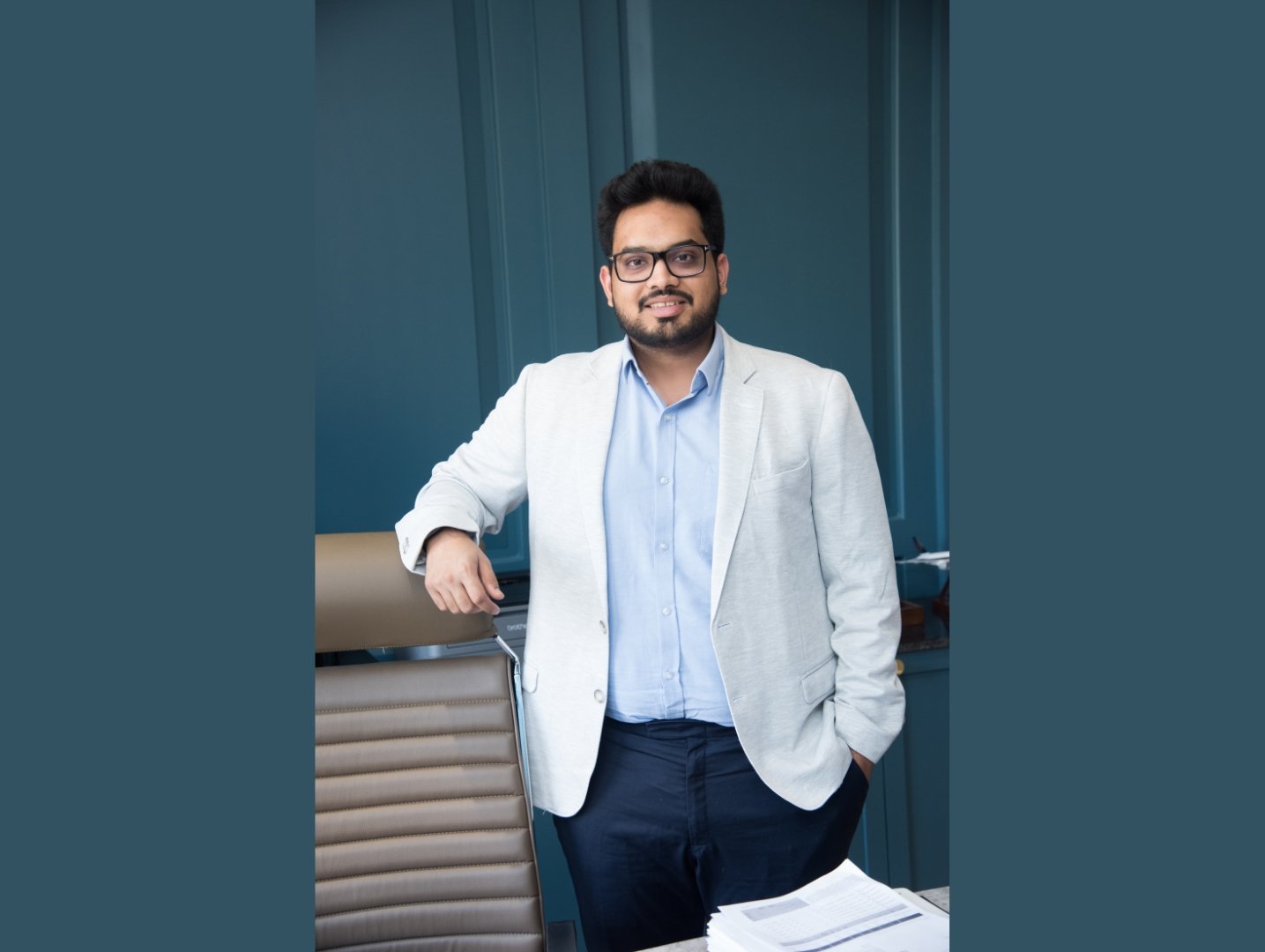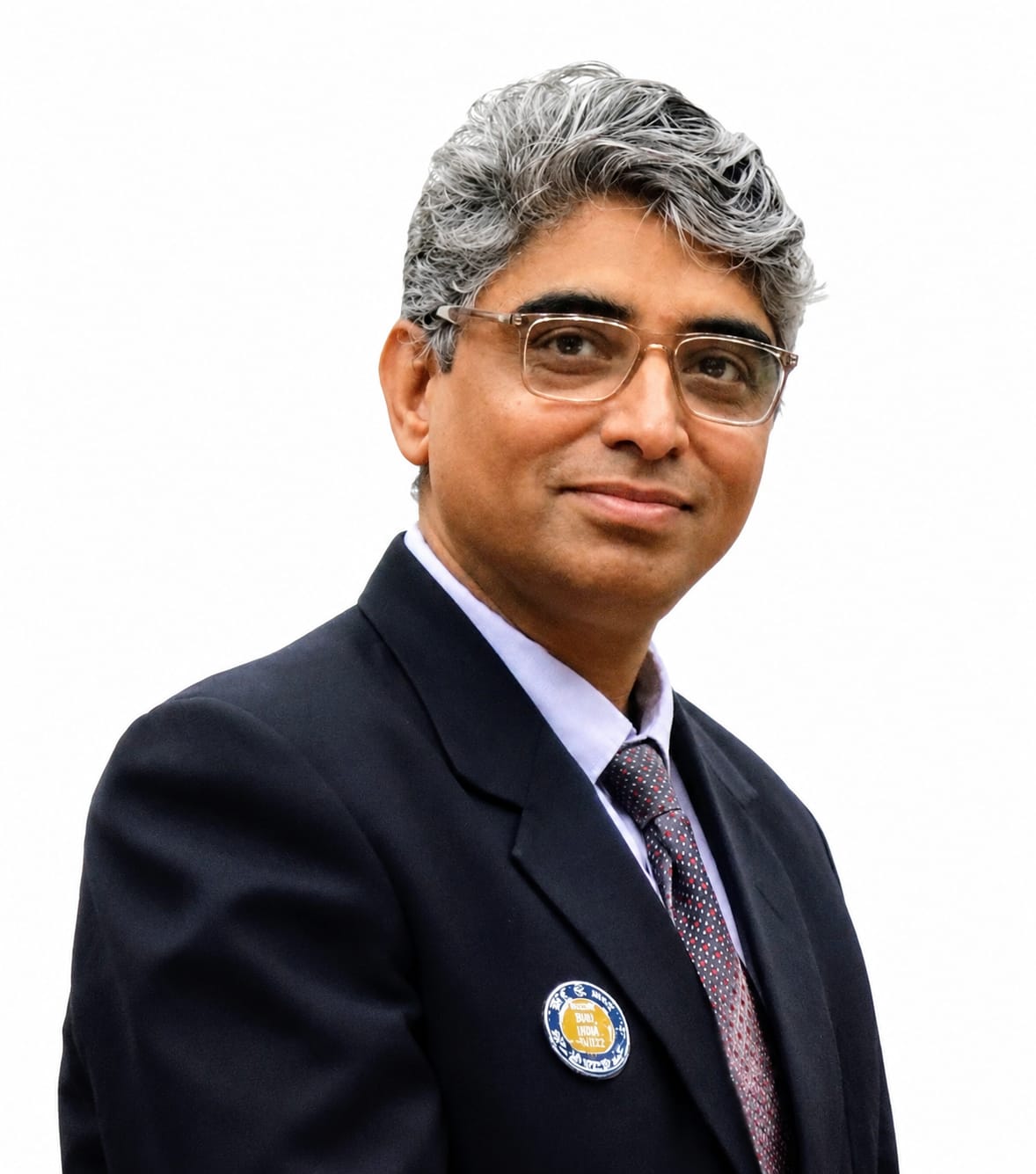
Stainless steel industry has grown considerably well: Purushottam Parolia

Nihon Ispat’s Purushottam Parolia speaks about the rapid growth of India’s stainless steel sector, rising demand, global trade connections, and the future of sustainable practices.
The stainless steel industry is going through an exciting phase of transformation and growth. From infrastructure and manufacturing to everyday applications, stainless steel has become an essential material shaping modern development. In India, the sector has expanded rapidly over the past decade, supported by strong demand, government initiatives, and global trade connections.
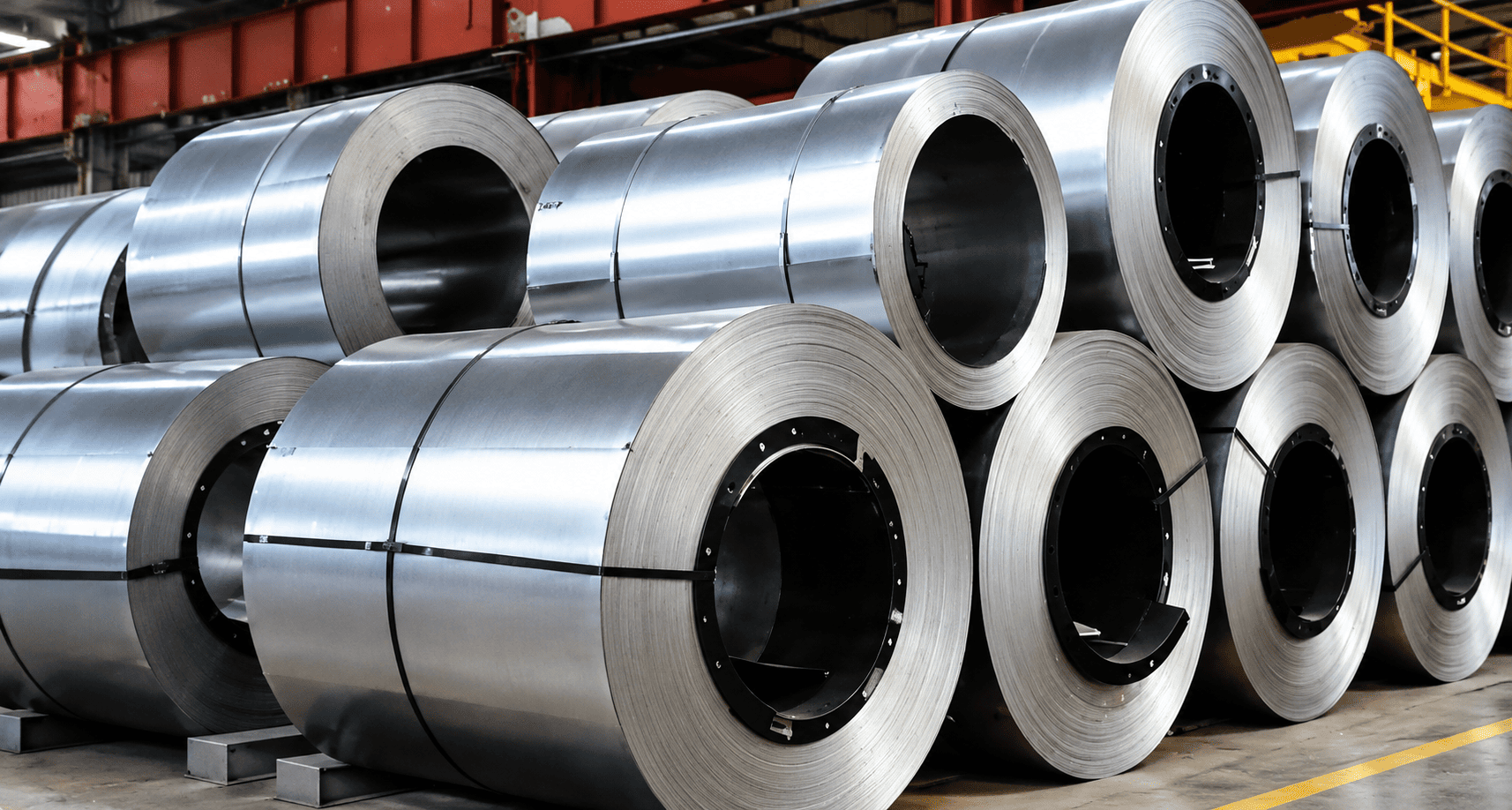
With India strengthening its position as a major stainless steel producer, the need for imported scrap has grown significantly. This growing trade not only supports recycling and resource efficiency but also connects Indian manufacturers with suppliers across the world, reflecting the industry’s increasing global reach and focus on circular economy practices.
Nihon Ispat is a leading indentor of all kinds of ferrous & non-ferrous scraps and stainless steel products, for imports into India. Its Managing Director, Purushottam Parolia, spoke with the team of Stainless Today at the Global Stainless Steel Expo (GSSE) 2025. In this conversation, he dwelled on the growth of the stainless steel industry in India and globally, the impact of geopolitical factors on demand, networking and the commercial value of expos.
Could you please tell us a bit about your company?
Nihon Ispat is based in Bombay and Delhi. We import all non-ferrous metal scrap, including stainless steel scrap, from almost 48 countries on a regular basis, and from time to time, we handle imports from as many as 63 countries. We are here at this exhibition to meet all our existing customers of stainless steel scrap such as Jindal, Laxcon, Avtar, Outokumpu, etc.
Over the last few years, how have you seen the stainless steel industry grow?
I think, on a worldwide scale, India has now become one of the major producers of stainless steel finished products. However, there is a slight slowdown because of the geopolitical situation prevailing globally, affecting both demand and supply. Demand, in my opinion, is down by almost 10 to 15 per cent, but still, people are happy and running their businesses smoothly. Overall, we see a very bright future for the stainless steel industry and for Indian business across the world.
How would you describe the current status of the Indian stainless steel industry?
Of course. It is growing very fast, especially in India. My assessment is that the stainless steel industry in the Indian subcontinent has grown considerably well over the last five to ten years, and we appreciate that fact. With a very stable government at the Centre pushing a lot of infrastructure and development projects, there is a significant rise in demand in the market.
How do you see the significance of GSSE?
It truly is a global platform. We regularly attend many such conferences around the world. Just last week, I was in Valencia attending the BIR Conference, and 15 days before that, we attended the ISRI Conference in San Diego. Our job is to keep travelling to these conferences and to keep meeting the right people.
I may not comment much on the technical side, but commercially, it serves as a single platform where you can meet all your vendors, suppliers, buyers, and traders at one point. It helps a lot in terms of infrastructure support and in consolidating contacts over a short period of time. This is my third year attending GSSE, and I have witnessed its growth and the increasing potential of this phenomenal event within the industry overall.