Stainless steel cable: The hidden industry hero
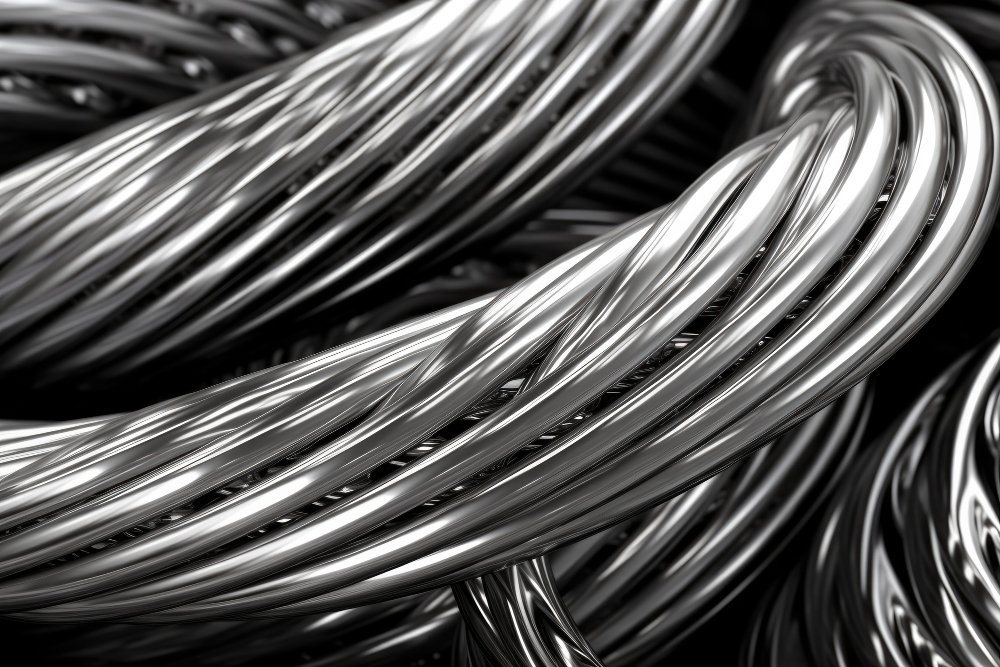
Stainless steel cable and wire rope are widely used because they combine strength, resistance to rust, and long-term value. Engineers often choose it first when planning projects in tough conditions. But why is it trusted in so many industries, from medical tools to heavy lifting equipment, even when alternatives exist?
Why stainless steel cable is often the first choice
When engineers begin selecting wire rope for a project, the choice of material is one of the most important decisions. Getting it right early helps avoid extra costs, delays, or safety issues later on. Industry specialists with long experience in cable design often point to stainless steel as a dependable starting option.
The reason is simple. Stainless steel cable offers a balanced mix of strength, resistance to damage, and practical cost. It can be used in many different environments without needing special treatment. Because of this, it is found in everything from small precision devices to large industrial systems.
In many cases, engineers do not choose stainless steel as a last resort. Instead, they begin with it and only move away if a project demands something very unusual. This approach helps keep designs efficient and reliable.
Strong performance under pressure
One of the main reasons stainless steel is so widely used is its strength. Wire ropes are often used in situations where failure is not an option, such as lifting loads, supporting structures, or controlling mechanical systems.
Stainless steel used in common cable production typically contains iron, chromium, and nickel. These elements work together to create a material that can handle stress without easily breaking or deforming. Chromium helps form a protective layer on the surface, while nickel improves flexibility. This means the cable can bend and move under load, then return to its original shape when the pressure is removed.
In practical terms, this balance of strength and flexibility is very important. A cable that is too rigid may snap under repeated movement. A cable that is too soft may stretch too much and lose reliability. Stainless steel sits comfortably in the middle.
Different constructions of cable also allow engineers to choose the right level of strength. For example, thinner cables are used for light loads and delicate systems, while thicker multi-strand cables are used for heavy-duty lifting and industrial machinery. This flexibility in design makes stainless steel suitable for a wide range of technical needs.
In industries like aerospace, healthcare equipment, and manufacturing, this strength is not just useful; it is essential for safety and performance.
Built-in protection against rust and damage
Another major advantage of stainless steel cable is its resistance to corrosion. In many environments, metal is exposed to moisture, air, chemicals, or salt. Over time, these elements can weaken materials and lead to failure.
Stainless steel solves this problem through its natural protective layer. The chromium in the alloy reacts with oxygen in the air and forms a very thin but strong barrier on the surface. What makes this barrier special is that it repairs itself. If the surface is scratched or damaged, it quickly reforms when exposed to air again.
This self-protecting feature means the cable continues to resist rust even after long use. It does not rely on coatings that can wear away over time. Instead, the protection is built into the material itself.
This is an important difference when compared to other common materials such as galvanised steel. Galvanised cables rely on a zinc coating to prevent rust. While this can be effective, the coating can break down in harsh conditions such as saltwater environments. Once that happens, the steel underneath can begin to rust.
Stainless steel does not face the same issue in the same way, which is why it is often used outdoors, in marine settings, and in industrial environments where moisture is unavoidable.
This long-term resistance to corrosion helps extend the life of equipment and reduces the need for frequent replacements or repairs.
Practical value across different industries
Stainless steel cable is not only strong and resistant to corrosion, it is also practical from a cost and supply point of view. In many projects, it offers the best balance between performance and affordability.
Unlike more specialised or exotic materials, stainless steel is widely available. It comes in many sizes and constructions, which means engineers can usually find a suitable option without long delays. This helps reduce lead times from design to production.
Because it is commonly produced, stainless steel cable is also easier to source in bulk. This is important for industries that need large quantities for manufacturing or construction projects. It supports a consistent supply, which helps keep projects on schedule.
Another important point is that stainless steel can be adapted to different requirements without excessive redesign. Whether a project needs high flexibility, strong abrasion resistance, or a balance of both, there is usually a suitable type available.
In medical applications, stainless steel is also valued for being safe to use inside equipment that may come into contact with sensitive environments. In industrial settings, it is trusted for lifting, pulling, and structural support. In outdoor systems, it performs well under weather exposure.
Because of this wide usability, stainless steel is often seen as a “default” choice in cable design before moving on to more specialised materials.
Common uses in everyday and industrial settings
Stainless steel cable appears in far more places than most people realise. In large industrial plants, it may be used in machinery that moves heavy parts or controls automated systems. In construction, it can support structures, railings, or lifting systems.
In transport systems, stainless steel wire ropes are often used where safety and reliability are essential. In marine environments, it is used on boats and coastal structures because of its resistance to saltwater damage.
It is also found in smaller, more precise applications. Medical equipment, for example, may use fine stainless steel cables for movement control or internal mechanisms. These uses require materials that are both strong and reliable over repeated use.
The reason it works in so many settings is its adaptability. Engineers can select different thicknesses, strand patterns, and finishes depending on what the job requires. This makes it suitable for both heavy-duty and delicate work.
From large-scale engineering projects to small technical devices, stainless steel cable continues to prove its usefulness in real-world conditions.
Choosing the right cable for the job
While stainless steel offers many benefits, the right choice always depends on the specific needs of a project. Factors such as load, environment, movement, and cost all play a role in selecting the correct material and construction.
Engineers often begin with stainless steel because it provides a strong, reliable baseline. From there, they can adjust based on whether they need more flexibility, higher load capacity, or specialised performance features.
Expert advice is often used during this process to make sure the final selection matches the demands of the application. This helps avoid overengineering, where a more expensive solution is used when it is not actually needed, or underengineering, where a weaker option could cause problems later.
In many cases, stainless steel remains the final choice simply because it meets all the necessary requirements without unnecessary complexity.
The bottom line
Stainless steel cable continues to be a trusted material across industries because it combines strength, durability, and practical value in one solution. Whether used in harsh outdoor environments, precision medical tools, or heavy industrial systems, it remains a reliable option that engineers return to time and again.