Jindal Stainless eyes green future with ₹132 Cr investment
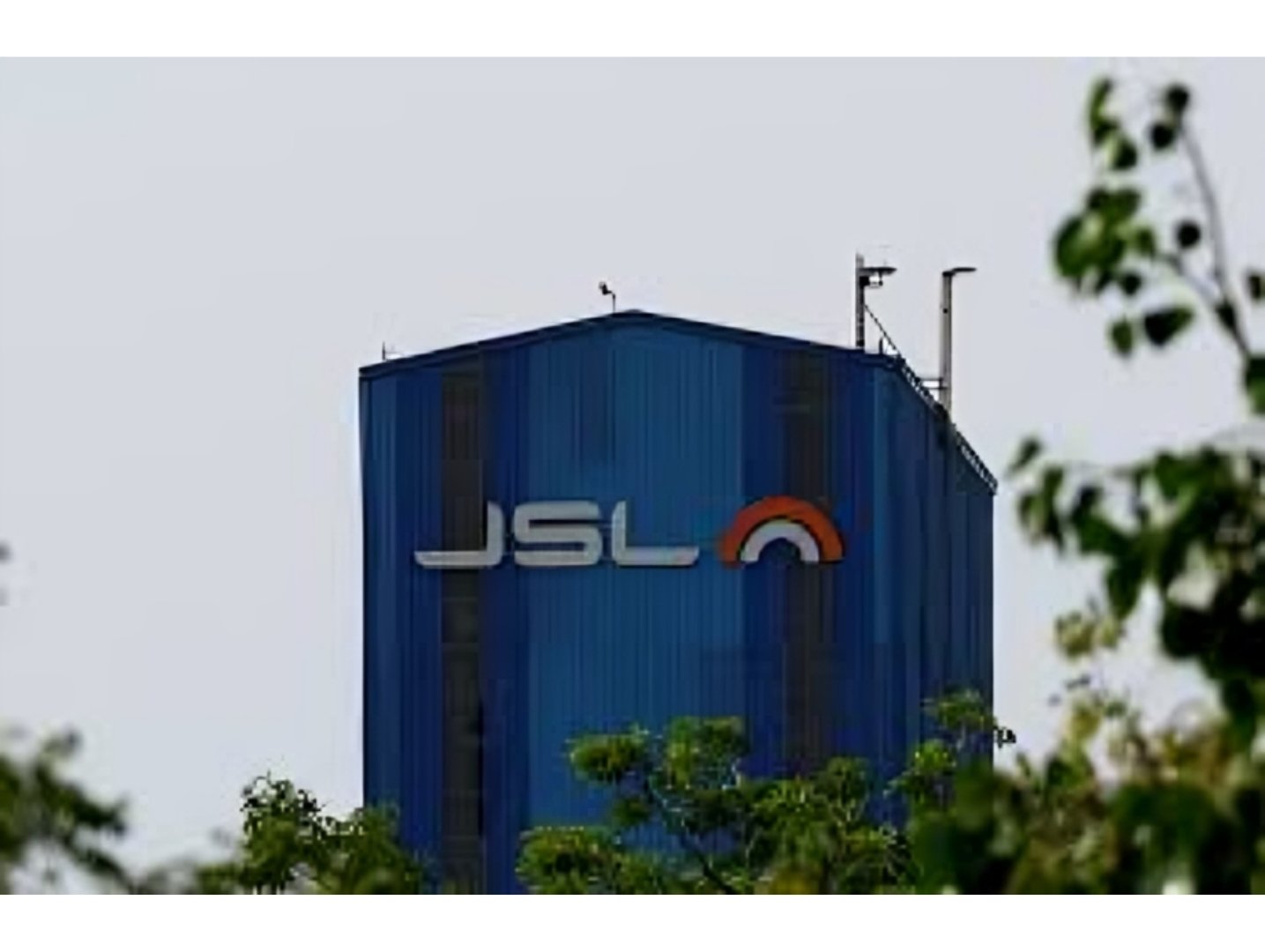
Jindal Stainless has invested Rs 132 crore in a captive renewable energy project to power its manufacturing operations with cleaner electricity. The move is expected to cut emissions, stabilise energy costs, and ensure a more reliable power supply, marking a significant step in reducing the environmental impact of stainless steel production.
Clean energy for daily operations
Jindal Stainless has taken a clear step towards sustainability by setting up a captive renewable energy system that directly supplies green power to its manufacturing units. This approach allows the company to rely less on traditional electricity sources and instead use cleaner alternatives such as solar or wind energy.
For an industry like stainless steel production, which depends heavily on uninterrupted electricity, a steady and dedicated power supply is essential. Any disruption can affect output and efficiency. By generating its own renewable power, the company gains better control over its energy use while maintaining consistent production levels.
This investment also aligns with the company’s long-term plan to include more sustainable practices in its core operations. It reflects a shift from simply purchasing electricity to actively managing how that energy is produced and used.
Lower emissions and stable costs
One of the biggest benefits of the project is the expected reduction in carbon emissions. By switching to renewable sources, the company decreases its dependence on fossil fuels, which are a major contributor to pollution. This step supports wider efforts across industries to reduce environmental damage and move towards cleaner production methods.
Another key advantage is cost stability. Electricity prices from conventional sources can fluctuate due to fuel costs and market changes. Renewable energy, on the other hand, offers more predictable pricing over time. This helps the company plan its finances better and avoid sudden increases in operational costs.
Companies adopting captive renewable energy solutions are generally better equipped to manage long-term energy risks. Stable pricing and lower exposure to market fluctuations can also improve competitiveness, particularly in industries that rely heavily on energy.
Stronger energy security and future growth
The project also strengthens energy security for Jindal Stainless. By reducing reliance on external power grids, the company becomes less vulnerable to outages, supply shortages, or regulatory changes. This ensures smoother operations and minimises unexpected interruptions.
Such investments are becoming increasingly common as industries focus on achieving both sustainability and greater independence in energy use. Renewable energy systems support environmental goals while also improving resilience in everyday operations.
In addition, the move enhances the company’s reputation among customers and investors who increasingly value environmentally responsible businesses. Greater use of clean energy signals a commitment to sustainable growth and responsible manufacturing.
Hence, the Rs 132 crore investment highlights a growing trend where industrial players are combining environmental responsibility with practical business benefits. By improving efficiency, cutting emissions, and ensuring reliable power, Jindal Stainless is moving steadily towards a greener and more secure future.