Indian Railways’ Reform Express Introduces Stainless Steel Cargo Shift
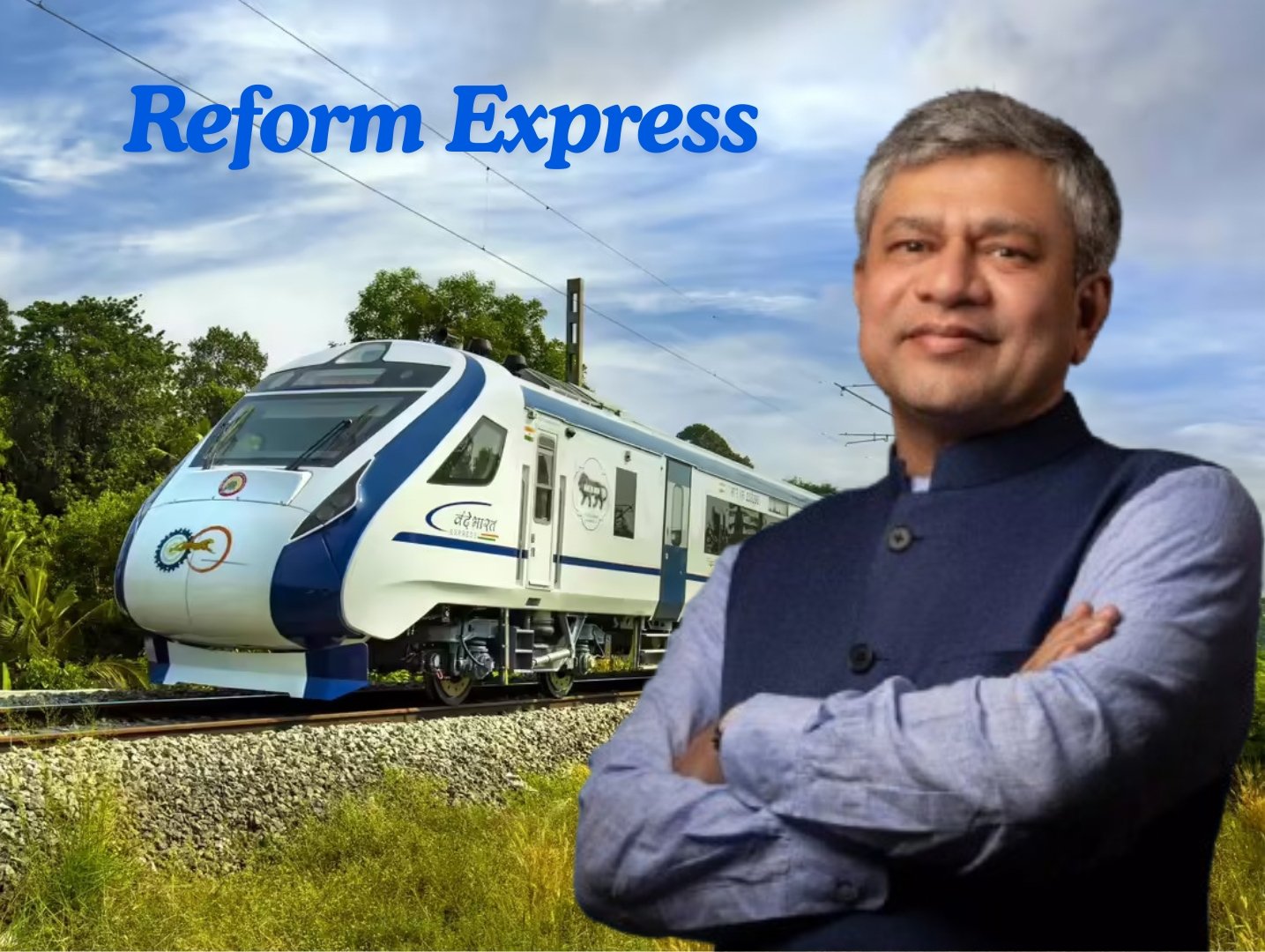
Indian Railways has announced five new reforms under its “Reform Express” initiative, bringing the total for 2026 to nine. The measures aim to improve cargo transport, infrastructure quality, and passenger convenience. Key changes include new stainless steel containers for salt, flexible wagons for vehicles, stricter construction rules, and upgraded ticketing systems for travellers.
Focus on cargo and infrastructure
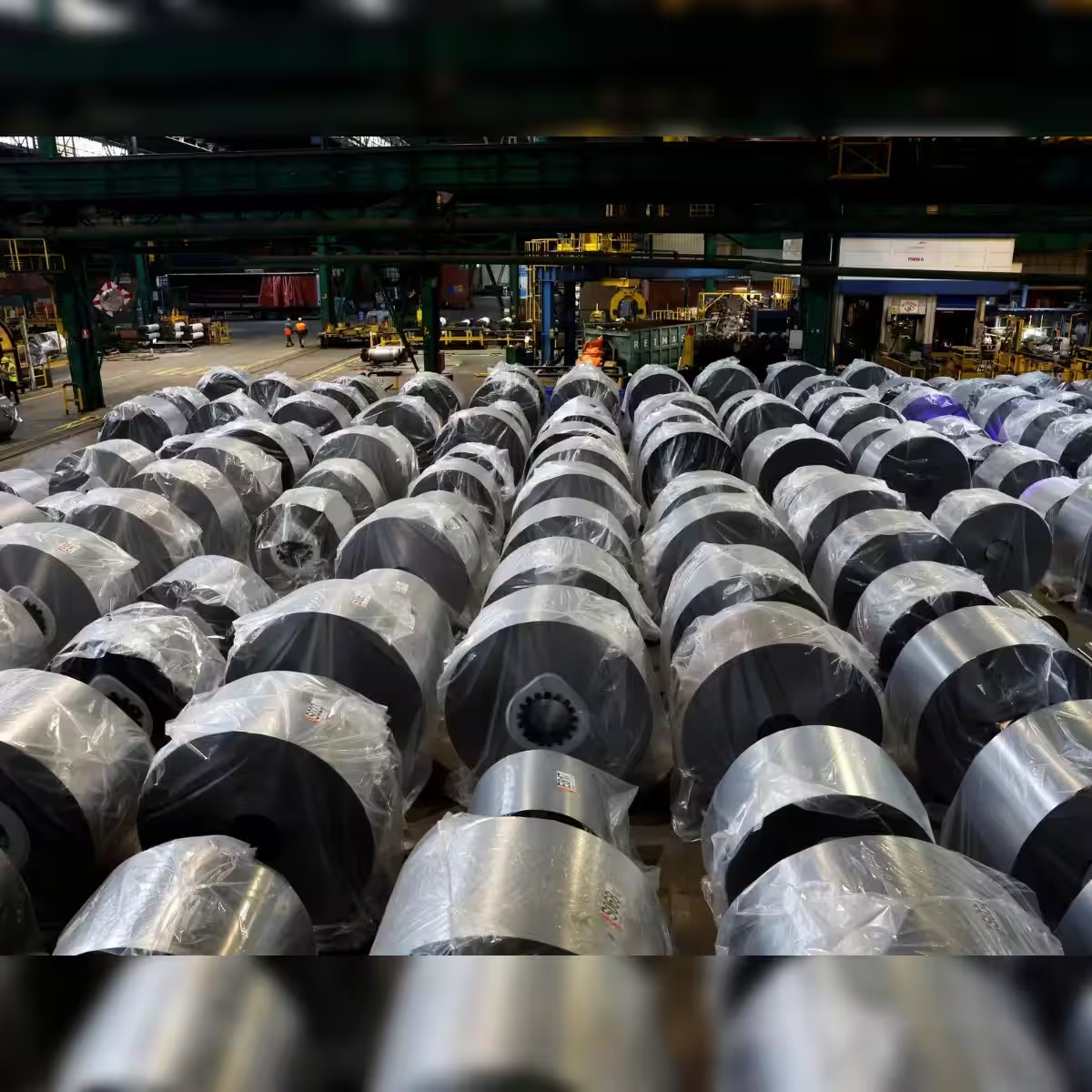
A major cargo reform introduces stainless steel containers for salt transport. These containers are top-loading with hydraulic side-discharge, designed to reduce corrosion, water damage, and multiple handling stages, making transport faster and safer. India produces around 35 million tonnes of salt annually, with 9.2 million tonnes moved by rail. Officials expect the new containers to boost the railways’ share in salt logistics.
Railways are also changing how vehicles are transported. Flexible wagon designs will now suit different routes, helping trains pass through tunnels and bridges more efficiently and increasing overall capacity.
Infrastructure reforms include stricter rules for contractors, mandatory assessment of bid capacity for larger projects, and tighter control over subcontracting. Additional safeguards against extremely low bids are expected to improve accountability, reduce delays, and ensure timely project completion.
Better travel experience for passengers
Passenger-focused reforms aim to stop the misuse of ticketing systems and make travel smoother. Measures include technology to detect fake bookings, Aadhaar-based OTP verification, and the removal of nearly three crore fake accounts from IRCTC.
Cancellation rules have been updated, allowing passengers to cancel tickets 72, 24, or 8 hours before departure. Counter tickets can now be cancelled at any station, while e-ticket refunds are processed automatically. Travellers can also upgrade their class or change their boarding station digitally up to 30 minutes before departure, offering more flexibility.
According to Union Minister for Railways Ashwini Vaishnaw, these reforms build on earlier efforts to improve onboard services, expand cargo terminals, and digitise claims processes. Overall, the aim is to make operations more efficient, promote innovation, and enhance passenger experience across the network.