The hidden role of stainless steel in power infrastructure
The power and energy sector is going through a major transformation. Traditional thermal and nuclear plants, along with renewables such as solar, wind and hydrogen, are creating a growing need for materials that can handle demanding conditions while offering long service life. This is where stainless steel comes in. It has become one of the most trusted materials in this journey because of its durability, corrosion resistance and efficiency.
Corrosion resistance and reduced maintenance
One of stainless steel’s biggest advantages is its ability to resist corrosion. Its chromium content forms a thin, protective layer on the surface that prevents rust and damage. This property is particularly valuable in harsh environments like coastal areas, chemical plants or offshore installations where corrosion can be a major problem.
Kavitha Uthappa, CEO & Founder, Flow Energy, a solar turnkey and consultant services firm, says, “In recent years, stainless steel use in power and energy projects has expanded to critical components for its corrosion resistance, durability, and high-temperature performance. Advances in duplex and super duplex grades have improved efficiency, reduced maintenance, and extended equipment life in harsh environments like offshore, solar, and thermal power applications.”
Because stainless steel does not need frequent painting or coating, it lowers maintenance costs and reduces downtime in power plants. This helps operators save both time and money while ensuring a consistent energy supply.
Durability that extends infrastructure life
Power generation and transmission systems are built to run for decades. However, they operate in tough environments that can cause metals to degrade over time. Stainless steel stands out because it maintains its strength and shape even under high temperatures and pressures. In thermal and nuclear plants, it is used in boilers, turbines, condensers and cooling systems where reliability is essential.
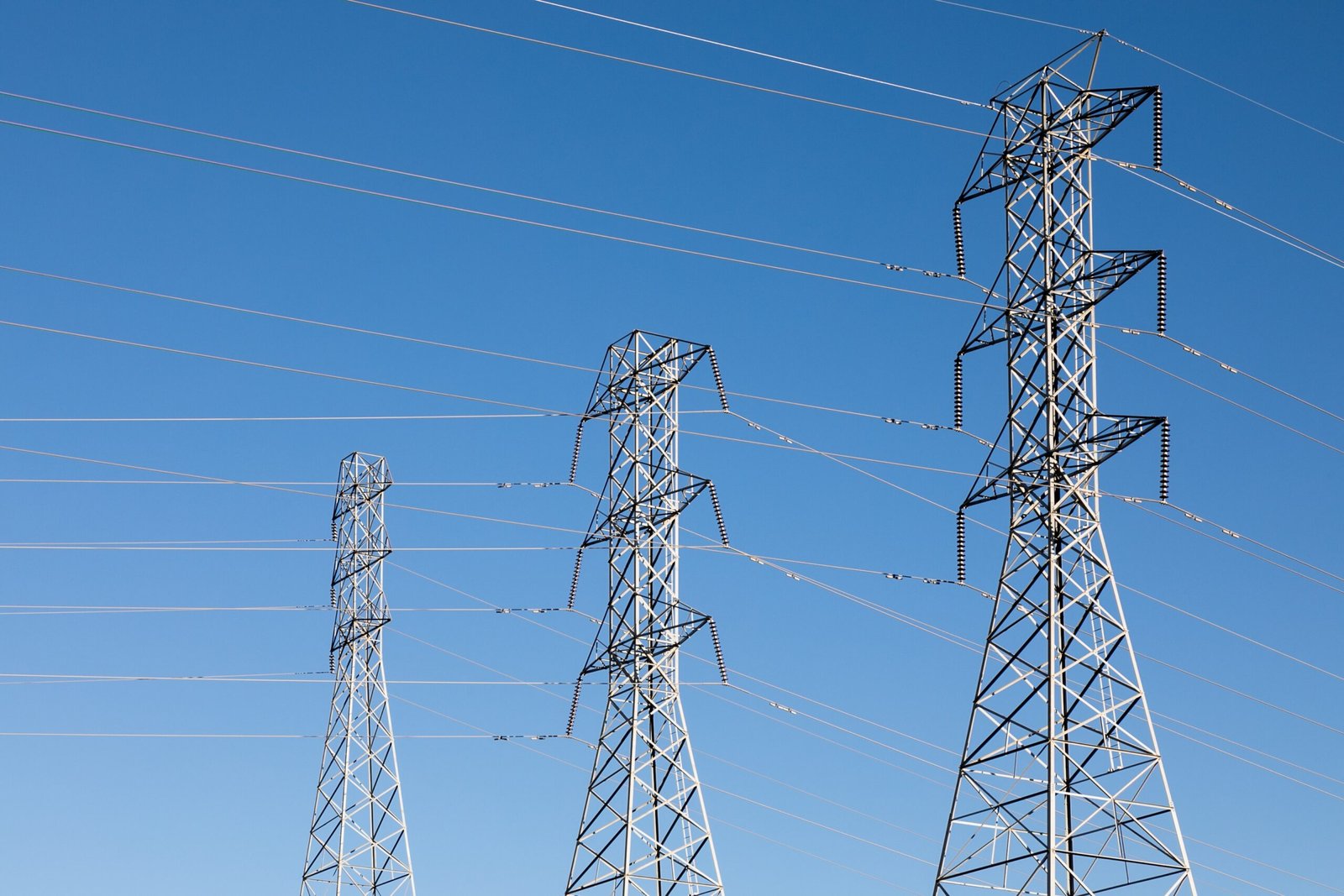
In power transmission and distribution, stainless steel is used in structures such as towers, poles, and switchgear housings. These components are exposed to rain, heat, and pollution, but stainless steel ensures that they last longer and require less maintenance. This makes it a cost-effective choice in the long run, even if the initial investment is higher.
“Stainless steel’s durability extends asset life, lowers lifecycle expenditures, and supports energy efficiency. Recyclability further minimises environmental impact, aligning with both economic and sustainability objectives across project lifecycles,” Uthappa explains.
Advanced grades for demanding conditions
The power sector is increasingly using advanced types of stainless steel such as duplex and super austenitic grades. “There is growing demand for duplex and super duplex stainless steels, such as 2205 and 2507, for their superior strength and corrosion resistance,” says Uthappa. “In high-temperature and renewable energy applications, grades like 310S, 316L, and 347H are favoured for their thermal stability, weldability, and resistance to oxidation and scaling,” she added.
As per Journal of Materials Engineering and Performance (2023), the use of duplex stainless steels reduces life-cycle costs and downtime significantly in coastal and offshore installations due to their superior corrosion fatigue strength and pitting resistance.
Ready for the future of energy
As the world shifts towards renewable and cleaner energy, stainless steel is becoming even more important. In solar power systems, it is used for frames and support structures. In wind farms, it strengthens towers and fasteners that face constant exposure to moisture and salt. In the emerging hydrogen economy, stainless steel pipelines, tanks, and fittings provide safe storage and transport without contamination.
Stainless steel is helping the power industry move towards greater efficiency, sustainability, and reliability. Its durability, corrosion resistance, and adaptability make it a key material in today’s energy infrastructure and a reliable partner for the cleaner power systems of tomorrow.