India–EU FTA opens markets, stainless steel makers seeks shield
Indian manufacturing exports to EU
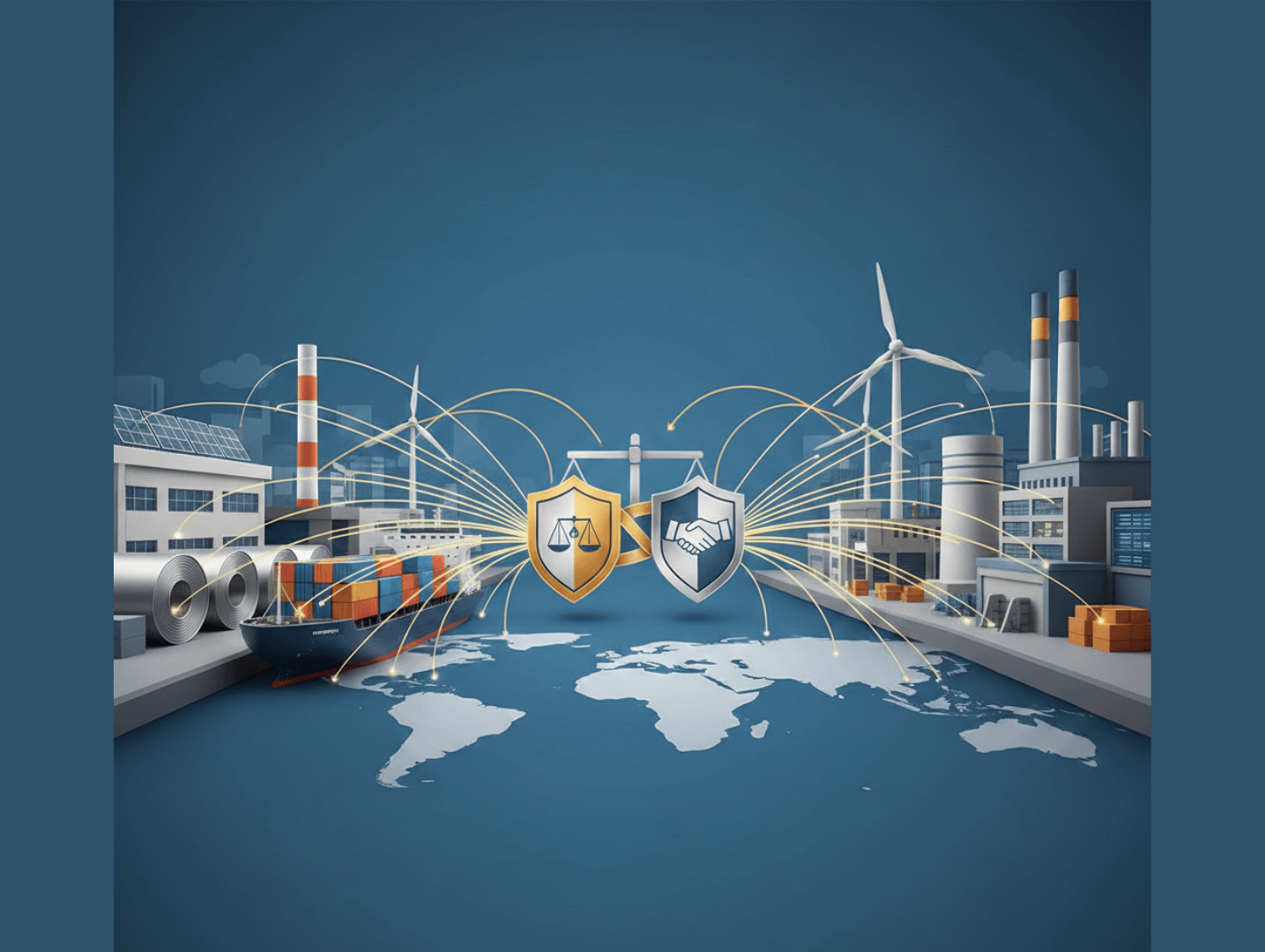
India and the European Union have reached a long-awaited free trade agreement, opening new doors for Indian manufacturing in a 27-nation market. While the deal promises growth and wider access, India’s stainless steel industry is urging policymakers to put strong safeguards in place to protect domestic producers from rising global competition.
A major trade step with long-term promise
The conclusion of the India–European Union Free Trade Agreement (FTA) marks an important moment in India’s global trade journey. Announced earlier this week, the agreement is expected to deepen economic ties between India and the EU, one of the world’s largest trading blocs. Once signed and implemented later this year, the pact will allow several Indian sectors to export goods to Europe without paying customs duties, significantly improving their competitiveness.
At the same time, European exporters will gain access to the Indian market at reduced or concessional duty rates. This two-way opening is aimed at boosting trade volumes, encouraging investment, and strengthening supply chains between the two regions. For India, the agreement is being seen as a step towards positioning its manufacturing sector more firmly in global markets, especially at a time when companies are looking to diversify sourcing and production bases.
Industry bodies have broadly welcomed the development, calling it a positive signal of India’s growing role in international trade. However, they have also pointed out that such large trade agreements can have uneven effects across sectors if adequate protections are not built in.
Stainless steel industry flags need for safeguards
Among the voices calling for caution is the Indian Stainless Steel Development Association (ISSDA). The association has described the FTA as an important milestone but stressed that domestic stainless steel producers could face pressure if imports rise sharply after the market opens further.
According to the industry body, the stainless steel sector in India has grown steadily over the years, supported by investments in capacity, technology, and downstream applications. However, it operates in a highly competitive global environment, where producers from developed regions often benefit from scale, advanced processes, and in some cases, state support.
ISSDA has indicated that while duty-free access to European markets could create long-term opportunities for Indian manufacturers, the immediate impact of cheaper imports into India needs careful assessment. Without suitable safeguard mechanisms, domestic producers, especially small and mid-sized players, could struggle to compete on price.
The association has conveyed that it will closely examine the detailed provisions of the agreement once they are made public. It also plans to engage with government authorities to ensure that the concerns of the stainless steel industry are properly considered during implementation.
Balancing openness with domestic interests
Trade experts note that free trade agreements often involve a delicate balance between opening markets and protecting sensitive sectors. In the case of the India–EU FTA, the challenge will be to ensure that the benefits of increased exports, investment, and technology exchange are not offset by unintended harm to domestic industries.
ISSDA has highlighted the importance of calibrated tariff reductions, phased implementation, and the use of trade remedy measures where necessary. Such steps, it believes, can help domestic stainless steel manufacturers adjust to increased competition while continuing to grow and innovate.
The industry body has also underlined the need for ongoing dialogue between policymakers and industry stakeholders. Regular reviews and data-driven assessments, it suggests, will be key to identifying any stress points early and responding on time.
As India moves closer to signing and implementing the agreement with the European Union, the stainless steel sector’s message is clear: the FTA holds promise, but its success will depend on how well openness is matched with protection for domestic manufacturing. The coming months will be crucial in shaping how this balance is achieved in practice.