Stainless steel fabrication needs specialised skills: Sujata Sahay on addressing skill gap in SS industry
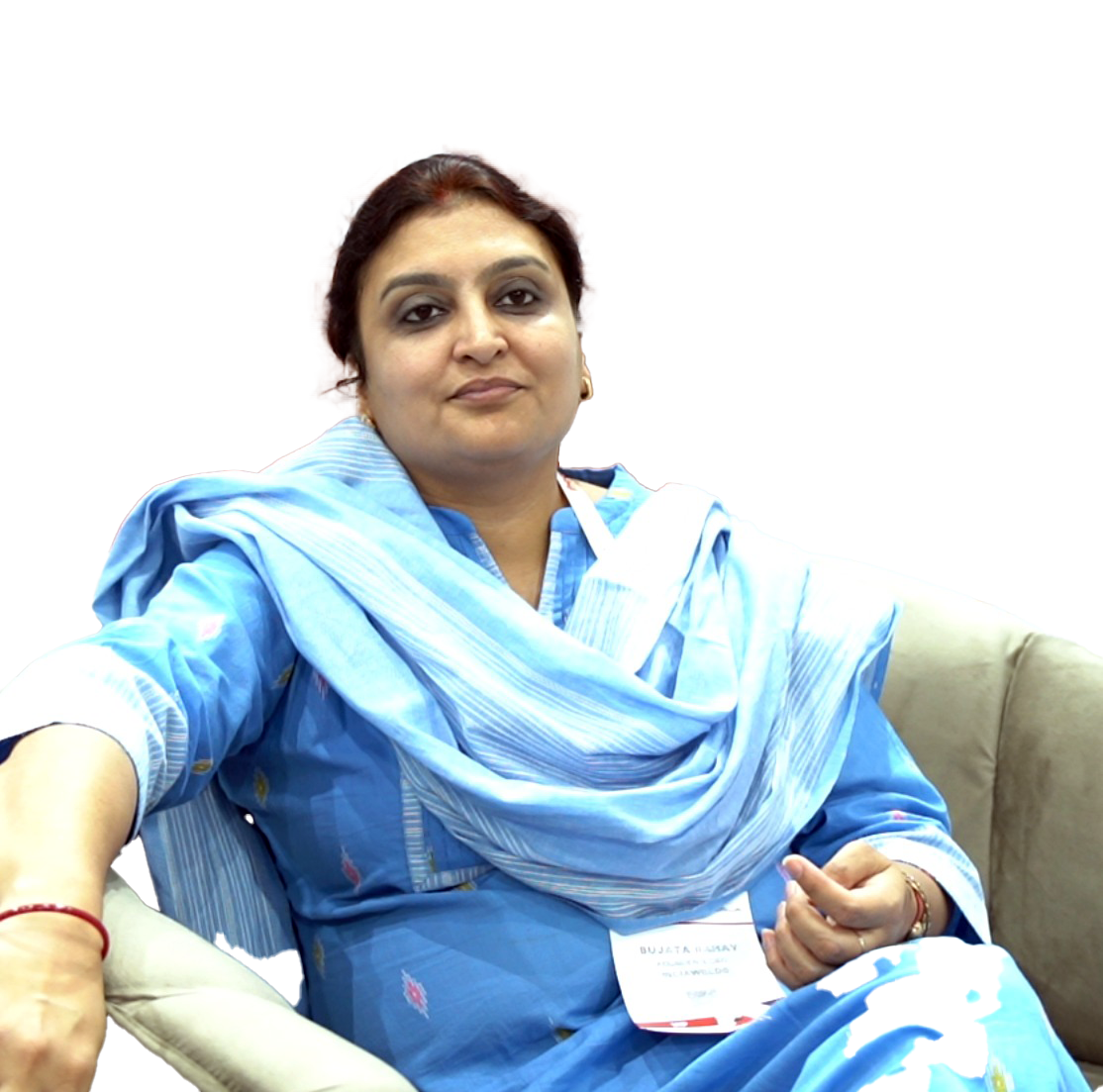
IndiaWelds’ founder Sujata Sahay shares insights on skill gaps, welding quality, and corrosion prevention to support the stainless steel industry growth and adoption.
The stainless steel industry is rapidly evolving, with applications expanding beyond traditional uses. Kitchenware, gates, and railings are no longer its only purposes, as it is increasingly recognised as a versatile and durable material for large-scale structural fabrication and infrastructure projects. Its potential, however, is closely tied with the quality of fabrication and welding processes. With the right expertise and awareness, stainless steel is set to play a key role in shaping the future of modern infrastructure and industrial applications.
Team Stainless Today spoke to Sujata Sahay, Founder & CEO, IndiaWelds, at the Global Stainless Steel Expo (GSSE) 2025. In this interview, she highlights the importance of welding quality, skilled training, and corrosion prevention in the stainless steel industry, showing how these factors are key to its growth and wider adoption in infrastructure and structural applications.
How does IndiaWelds associate with the stainless steel industry?
The stainless steel industry is one that everyone is watching closely. Stainless steel cannot really be used on its own; it has to be made into structures, and that is where welding becomes extremely important. If welding is not done properly, the structure will not be strong or reliable. For the industry to grow, welding quality needs to grow along with it. Today, stainless steel is no longer just seen as a material for kitchens; it has many other applications. In the coming years, we are likely to see it used in large infrastructure projects and bigger structures. Stainless steel is an extremely versatile and valuable material. However, welding requires careful attention because most problems do not come from the material itself but from how it is fabricated and handled.
How do you plan to address the skill gap in the industry?
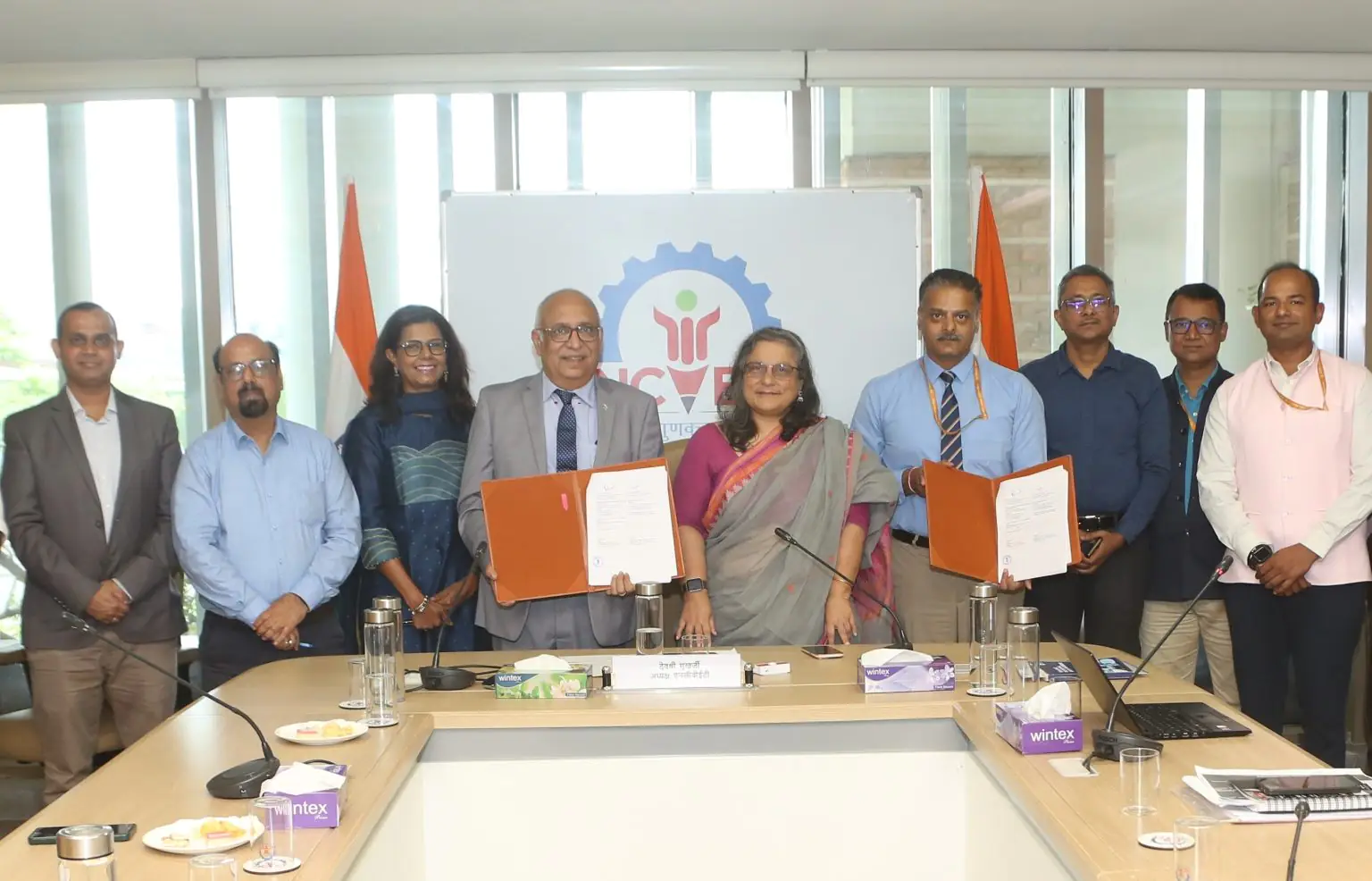
Yes, the skill gap is very large. The demand for skilled welders is much higher than the supply. Stainless steel welding is not always included in training programmes because it is expensive to train people. The consumables for stainless steel are costly, which makes training difficult. Stainless steel also comes in different grades. Some types are thin and easier to work with, while others are thick and require specialised skills. Infrastructure projects often use thick plates, which need very specific training that is not happening as it should. IndiaWelds has addressed this by creating a course for NCBT that focuses on the fabrication of heavy stainless steel structures. The challenge now is to get industries to recognise the importance of these skills and implement them in practice so that the gap can start to close.
How can policymakers and authorities help the growth of the stainless steel industry?
The government is taking this very seriously. Organisations that focus on corrosion prevention, as well as bodies like CII, are actively involved in supporting the industry. Corrosion has become a major concern because, although stainless steel itself is very strong, poor welding can lead to corrosion problems. Policies are being developed to educate and sensitise the industry about these challenges. The skill gap is not only about welding but also about learning corrosion prevention and mitigation practices. These practices should be part of training programs and industry curricula. Only when welding quality, corrosion control, and proper training all work together can stainless steel adoption improve effectively and sustainably.
How is the stainless steel industry expected to evolve alongside the booming infrastructure sector?
The future of stainless steel goes far beyond its current applications. Initially, it was mainly used for kitchen utensils, gates, and railings. Over time, people started to see it as a material that could add both strength and aesthetics. Infrastructure is now the next big area of growth. Our focus is on bridging the skill gap and improving fabrication practices to prevent problems caused by poor welding. For instance, small metal particles, known as spatters, form during welding. While they may seem minor, these spatters are often where corrosion starts, and removing them incorrectly can lead to cracks over time. IndiaWelds is working on products that prevent spatters and reduce corrosion risks. This is the type of work we are actively doing, aiming to make stainless steel safer and easier to use.
What are the key challenges for industry adoption?
The main challenge is awareness and understanding. People know there is a skill gap but often do not know where to find solutions. It is not enough to tell welders with no experience of stainless steel to start working with it. The real issue is helping people understand the root causes of problems, which usually arise from fabrication methods rather than the material itself. Proper training, awareness, and guidance are essential if the industry is to adopt stainless steel widely and effectively.
How has your experience been at GSSE, particularly regarding workshops, exhibitions, and the summit?
IndiaWelds has been proud to partner with GSSE as the training partner for their workshops. The feedback was excellent, with participants expressing a desire to have these workshops regularly. The workshops focused on relevant topics and attracted the right audience, which made them very effective. The quality of visitors at the expo also reflected the dedication and hard work of the GSSE team, which is not easy to achieve. Regarding the summit and conference, the topics were carefully chosen and highly relevant. Every area was addressed thoroughly. Topics ranged from policies and training to the blue economy. This approach gave the event a comprehensive and meaningful flavour.