First choice is stainless steel: Hitachi’s Mangal Dev on use of stainless steel in various sectors
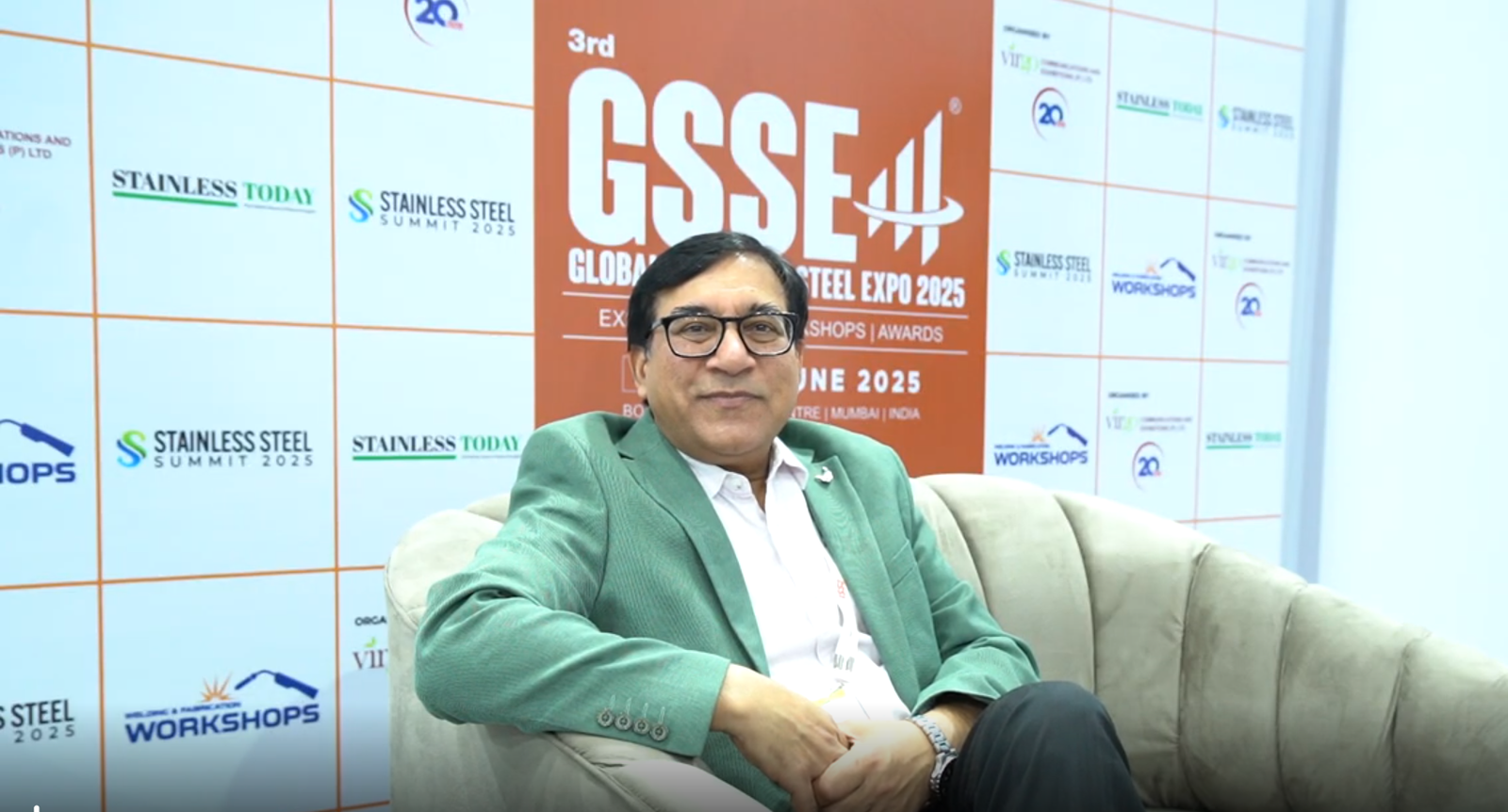
Mangal Dev shares his thoughts on the rising role of stainless steel in India’s infrastructure and industrial growth, including trends, challenges, and opportunities driven by durability.
Stainless steel is emerging as a key material in India’s growth story as the country moves towards advanced manufacturing and rapid infrastructure expansion. With rising demand across railways, construction, automotive and transport, the industry is focusing on innovation, sustainability and long-term performance. At the same time, challenges such as awareness, skills, modernisation and capacity building continue to shape the sector’s path.
Mangal Dev, Head of Hitachi Railway Systems Business – India & South Asia and Director, Hitachi India, spoke to Team Stainless Today at the Global Stainless Steel Expo (GSSE) 2025. In this exclusive interview, Dev speaks on the rising demand for stainless steel in India’s growth sectors, its durability and corrosion resistance, and the challenges of awareness, skills and capacity that the industry must address to support future expansion.
What trends are you seeing in stainless steel manufacturing right now?
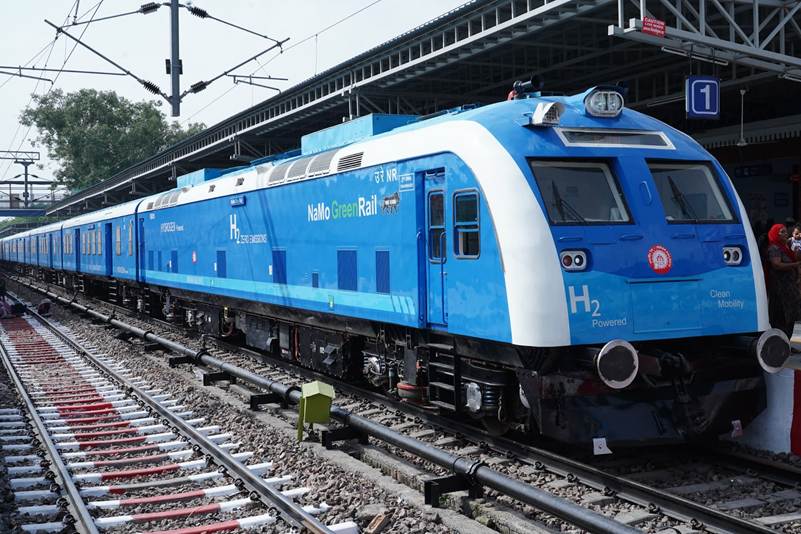
As we move towards Industry 4.0 and as India aims to become one of the largest economies, there is a major push to close infrastructure gaps. This includes railways, industrial infrastructure, airports, highways and more. Alongside this, consumption sectors such as buildings, construction, real estate, automotive and logistics are expanding. Stainless steel is becoming essential across these areas. Earlier it was mostly used in kitchens and aesthetic applications, but now it is widely used in construction. In India, many new metro and railway stations are choosing stainless steel first. It is also increasingly used in the automotive and railway sectors. Railways previously used carbon steel, but in the last decade, there has been a strong shift towards stainless steel. It competes with aluminium only when train speeds go above 200 km per hour. Since India is focused on the 160 to 200 km per hour range, stainless steel is the perfect choice.
Stainless steel is naturally beautiful and does not require painting, which makes it sustainable and cost-effective in the long run. Its corrosion resistance is a major advantage, especially in coastal cities like Mumbai, where humidity and pollution are high. As India is a tropical country with long monsoon seasons, stainless steel offers a long service life for applications that must last 40 to 100 years. When you analyse life cycle costs, stainless steel stands out as the most effective material.
What are the challenges in adopting stainless steel across sectors?
There are several challenges. The first is awareness. Customers need to fully understand the benefits of stainless steel so that older tender requirements can be updated to suit modern standards. The industry is also developing alternative grades of stainless steel that use less energy and new compositions while still offering the same performance. To use these, legacy systems need upgrades.
The second challenge is skills. Handling stainless steel from production to application requires specialised skills. Welding is particularly important. Whether work is done manually or through robotic welding, strong domain knowledge is essential to get the best results.
Another challenge is cost. Stainless steel has a higher initial cost than carbon steel. Buying decisions must be based on life cycle value rather than upfront price.
Capacity is also important. As consumption grows, production capacity must keep pace. This requires digitalisation in factories, including AI, machine learning and IoT to manage production scheduling and meet varied product demands. Upgrading steel mills is capital intensive but essential if India wants to match developed countries that consume far more stainless steel per capita. With India still at a low per capita consumption despite a large population, there is huge potential for investment. Proper funding and capex will benefit investors, customers and the country as a whole.
How do you view GSSE as a platform?
It is a well-crafted and very niche platform that serves the stainless steel sector. While the steel industry is large, stainless steel is the premium segment. The technologies used in stainless steel production across the world are advanced and focused on delivering the best quality. This exhibition and conference bring together policymakers, institutions, customers and companies from around the globe. It is an ideal space for the industry to come together and discuss both the present and the future of stainless steel in India and how India can position itself for the world.