Global Stainless Steel Market Forecast: Growth Factors and Challenges

stainless steel market growth
Milind Khangan, Marketing Manager at Vertex Market Research, delves into the global stainless steel market’s resilience, growth drivers, and emerging trends shaping its future. How will advancements in sustainability, technology, and infrastructure redefine this $330 billion industry by 2035? Explore the full insights!
Author: Milind Khangan, Marketing Manager: Vertex Market Research
Introduction: A Resilient Market Amidst Global Shifts
According to Vertex Market Research, the global stainless steel market is poised for sustained growth, with projections estimating its value to reach around USD 330 billion by 2035, up from USD 200 billion in 2024, reflecting a CAGR of over 5% during the forecast period of 2025 to 2035. This expansion is fueled by rising demand across the construction, automotive, energy, consumer goods, and industrial manufacturing sectors. Stainless steel continues to be a material of choice across industries, owing to its superior resistance to corrosion, high mechanical strength, long service life, recyclability, and versatility in diverse applications.
As of 2024, global stainless steel production reached approximately 62 million tons, with China contributing more than 60% of this volume, reinforcing its dominant role as the leading stainless steel producer worldwide. Worldwide consumption was estimated at 53 million tons. The construction sector alone accounted for nearly 40% of the total stainless steel demand, driven by infrastructure development, urbanization, and the integration of sustainable building materials.
While the market outlook is optimistic, it faces challenges such as raw material price volatility, carbon emission regulations, and geopolitical trade barriers that impact cross-border supply chains. Nonetheless, technological advancements, continuous process innovations, sustainability-driven initiatives, circular economy practices, and structural global demand are expected to underpin long-term growth prospects.
Understanding Stainless Steel: Composition and Applications
Stainless steel is a corrosion-resistant alloy primarily composed of iron and chromium, with the addition of other alloying elements such as nickel, molybdenum, manganese, and carbon, depending on the specific grade and intended application. The alloy’s exceptional resistance to corrosion and oxidation, coupled with its mechanical strength, durability, and aesthetic appeal, makes it a preferred material across a wide range of industries. Its high strength-to-weight ratio, hygienic surface characteristics, and 100% recyclability further enhance its appeal, particularly in sectors emphasizing lifecycle cost efficiency and environmental sustainability.
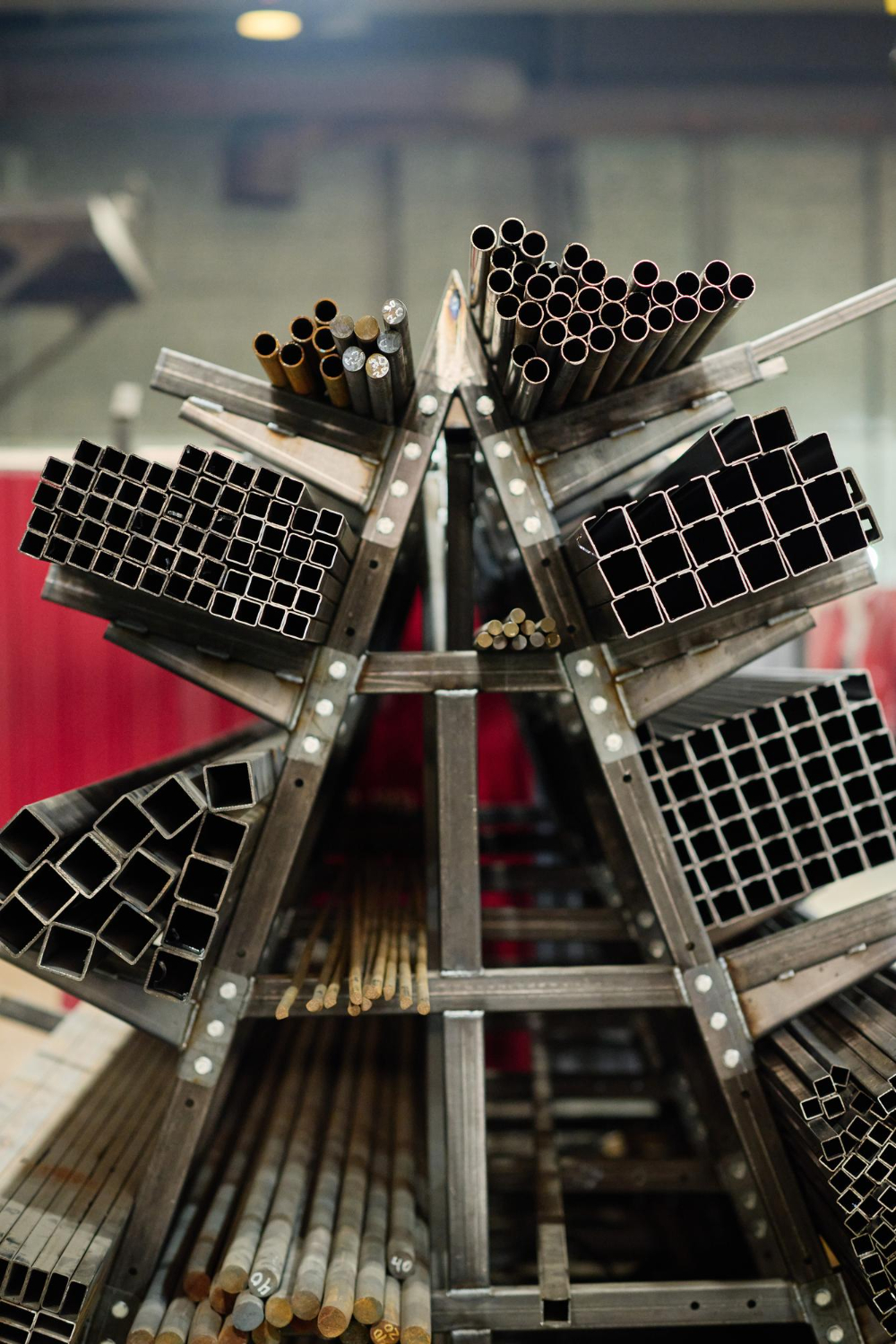
Commercially, stainless steel is available in multiple forms including rolled coils, plates, sheets, bars, and tubes, enabling its use in applications ranging from heavy industrial machinery to precision medical instruments. Globally, there are over 150 standardized grades of stainless steel, classified based on their crystalline microstructure and alloying elements into five principal categories such as austenitic, ferritic, martensitic, duplex (austenitic-ferritic), and precipitation-hardening (PH) stainless steels. The classification and standardization of stainless steel grades are managed by several prominent international organizations and regional bodies, including ASTM/SAE (AISI) in the United States, EN (DIN) in Europe, JIS in Japan, GB in China, and IS in India.
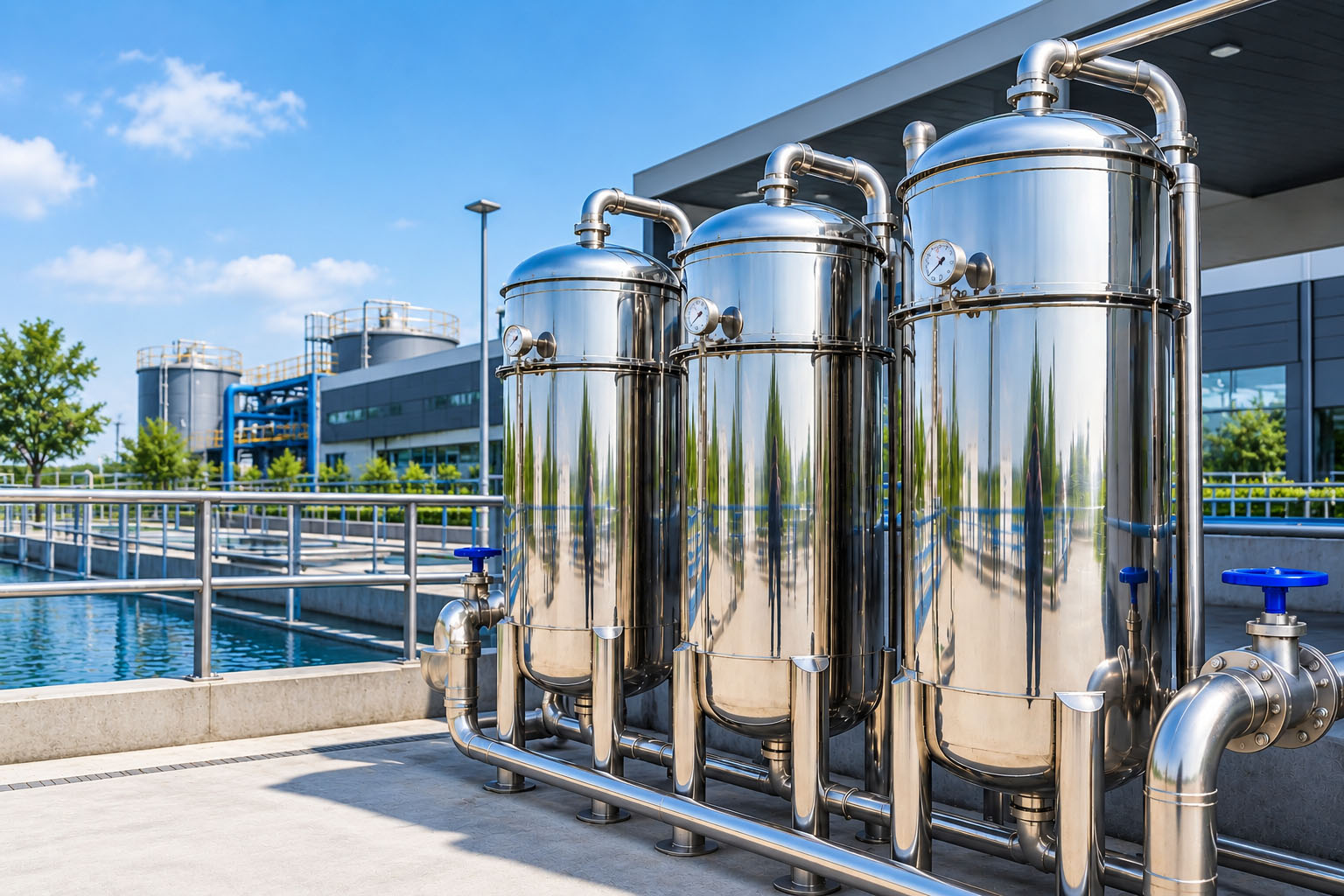
In the construction and infrastructure sector, stainless steel is utilized in structural frames, rebar, cladding panels, handrails, drainage systems, and other applications. In the automotive and transportation industry, stainless steel is employed in the manufacturing of exhaust systems, trims, EV battery enclosures, electric vehicle platforms, and other components. Industrial processing sectors such as chemicals, food and beverages, and pharmaceuticals rely heavily on stainless steel for food-grade piping, pressure vessels, storage tanks, and reactors, among others. In the medical and healthcare sector, stainless steel is indispensable for the production of surgical tools, orthopedic implants, hospital fixtures, and laboratory equipment. In the energy sector, stainless steel plays a vital role in diverse applications across power generation, including thermal and nuclear power plants, hydrogen infrastructure, solar and wind power systems, hydropower equipment, pipelines, and energy storage systems.
Growth Drivers and Strategic Opportunities in Stainless Steel Market
Rapid Urbanization and Infrastructure Development
Rapid urbanization and large-scale infrastructure investments, particularly in emerging economies, are significantly driving stainless steel demand. The material’s durability, corrosion resistance, and low lifecycle cost make it indispensable for constructing high-rise buildings, bridges, transport systems, and smart urban infrastructure. Projects such as the Mumbai Coastal Road in India and the Lagos Rail Mass Transit in Nigeria exemplify the strategic use of stainless steel for structural longevity in harsh environments. Government investments in infrastructure development, driven by economic expansion and population growth, are expected to be a primary catalyst for stainless steel demand.
Automotive and Transportation Industry Advancements
The automotive sector’s shift towards electric vehicles and lightweight, sustainable materials is accelerating the use of stainless steel in structural and safety-critical components. Its strength-to-weight ratio and recyclability are key to modern vehicle designs, particularly for exhaust systems, and aesthetic trims. Applications range from exhaust systems, catalytic converters, battery enclosures, battery enclosures, and structural components to various aesthetic trims. Beyond passenger and commercial vehicles, stainless steel is essential in railways, marine vessels, and aerospace applications, where corrosion resistance, mechanical strength, and low maintenance are paramount.
Rising Applications in Renewable Energy and Green Technologies
The global transition to renewable energy is expanding stainless steel applications across solar, wind, and hydrogen energy systems. Its corrosion resistance, strength, and recyclability make it ideal for solar panel mounts, wind turbine components, and hydrogen storage and transport infrastructure. In offshore wind and hydrogen value chains, advanced stainless grades are preferred for withstanding extreme environmental and pressure conditions.
Technological Advancements and Process Innovations
Ongoing R&D is driving innovations in stainless steel production, including additive manufacturing, advanced alloys, and AI-enabled quality control. The development of duplex and super duplex stainless steels enhances performance in highly corrosive environments such as chemical processing and offshore oil and gas. Innovations in manufacturing processes, such as the adoption of Electric Arc Furnaces (EAF) for higher scrap utilization, continuous casting for efficiency, and advanced surface treatments, are improving product quality and reducing environmental impact. Industry 4.0 integration through IoT, AI, and automated systems is optimizing production efficiency, reducing emissions, and improving material performance.
Expanding Industrial and Mechanical Engineering Applications
Stainless steel remains a critical material in industrial sectors including chemicals, petrochemicals, food processing, pharmaceuticals, and water treatment. Its hygiene, corrosion resistance, and high-temperature tolerance support safe and efficient operations in harsh and regulated environments. It is extensively used in heat exchangers, pressure vessels, piping systems, and equipment where durability and compliance are essential.
Increased Focus on Sustainability and Circular Economy
Stainless steel’s 100% recyclability and long service life align with global sustainability and circular economy goals. Growing regulatory pressure on carbon emissions and environmental impact is pushing producers toward low-emission manufacturing and high scrap utilization. Leading manufacturers now use over 90% recycled content, reinforcing stainless steel’s position as a sustainable material of choice across industries seeking to reduce their carbon footprint and resource consumption.
Challenges and Complexities In Stainless Steel Market
Raw Material Price Volatility
Raw material price volatility continues to pose a major constraint. The production of stainless steel depends heavily on inputs such as nickel, chromium, molybdenum, and iron ore, all of which are subject to significant price fluctuations due to global supply-demand imbalances, geopolitical tensions, and speculative commodity trading. For instance, shifts in Indonesian mining regulations have repeatedly disrupted global nickel supply, directly impacting stainless steel production costs. India’s complete dependence on imported nickel further exacerbates its vulnerability to international market swings, making cost forecasting and pricing strategies highly uncertain for domestic manufacturers.
Environmental Regulations and Decarbonization Pressures
Environmental regulations and decarbonization mandates are compelling stainless steel producers to invest in low-emission technologies, such as electric arc furnaces (EAFs), hydrogen-based steelmaking, and carbon capture systems. While stainless steel is inherently recyclable, its primary production remains carbon-intensive, attracting stricter scrutiny under global climate frameworks. Transitioning to greener technologies involves high capital expenditure and operational realignment, increasing short-term cost burdens even as long-term sustainability becomes a competitive necessity.
Competition from Alternative Materials
Lightweight and cost-effective substitutes such as aluminum, carbon fiber composites, and high-performance polymers are gaining traction in sectors such as automotive, aerospace, and consumer durables. While stainless steel offers superior corrosion resistance and longevity, these alternatives can displace demand in cost-sensitive or weight-critical applications, particularly where lifecycle cost advantages are not immediately apparent to end users. Competition from alternative materials, such as coated carbon steel, also poses a threat in certain price-sensitive segments, even if stainless steel offers superior long-term performance.
Trade Policies and Tariffs
Protectionist trade measures, including anti-dumping duties (ADD), countervailing duties (CVD), and safeguard tariffs aimed at shielding domestic stainless steel producers from cheap imports, often lead to supply chain disruptions and increased costs for downstream industries. India’s ongoing petition for safeguard duties against imports from China and ASEAN nations underscores rising concerns over market imbalances. Meanwhile, instruments such as the European Union’s Carbon Border Adjustment Mechanism (CBAM) could impose additional carbon-linked tariffs on imports, potentially undermining the competitiveness of exporters from carbon-intensive regions.
Unutilized Production Capacity and Skill Gap
In several major producing countries, significant portions of stainless steel production capacity remain unutilized. A mismatch between installed capacity and actual output often reflects structural challenges, including stagnant domestic demand, rising import penetration, and a shortage of skilled labor in critical downstream operations such as fabrication and precision processing.
Market Saturation in Developed Regions
Market saturation in developed economies is further constraining growth opportunities. With consumption levels plateauing in North America, Western Europe, and Japan, stainless steel manufacturers are increasingly targeting emerging markets in Asia, Africa, and Latin America to drive volume growth and diversify product applications.
The Way Ahead: Top Trends in Stainless Steel Industry
- Shift Toward Low-Carbon and Green Steelmaking
- Localization of Supply Chains and Raw Material Sourcing in Stainless Steel Production
- Rise of High-Performance and Duplex Stainless Steel Grades
- ESG-Driven Investment and Regulatory Compliance in Stainless Steel Sourcing, Production, and Procurement
- Surge in Demand for Stainless Steel from Clean and Renewable Energy Infrastructure
- Circular Economy and Scrap-Based Stainless Steel Production
- Technological Integration (Digital Twins, Real-Time Process Analytics, and AI-based Quality Control) in Stainless Steel Manufacturing