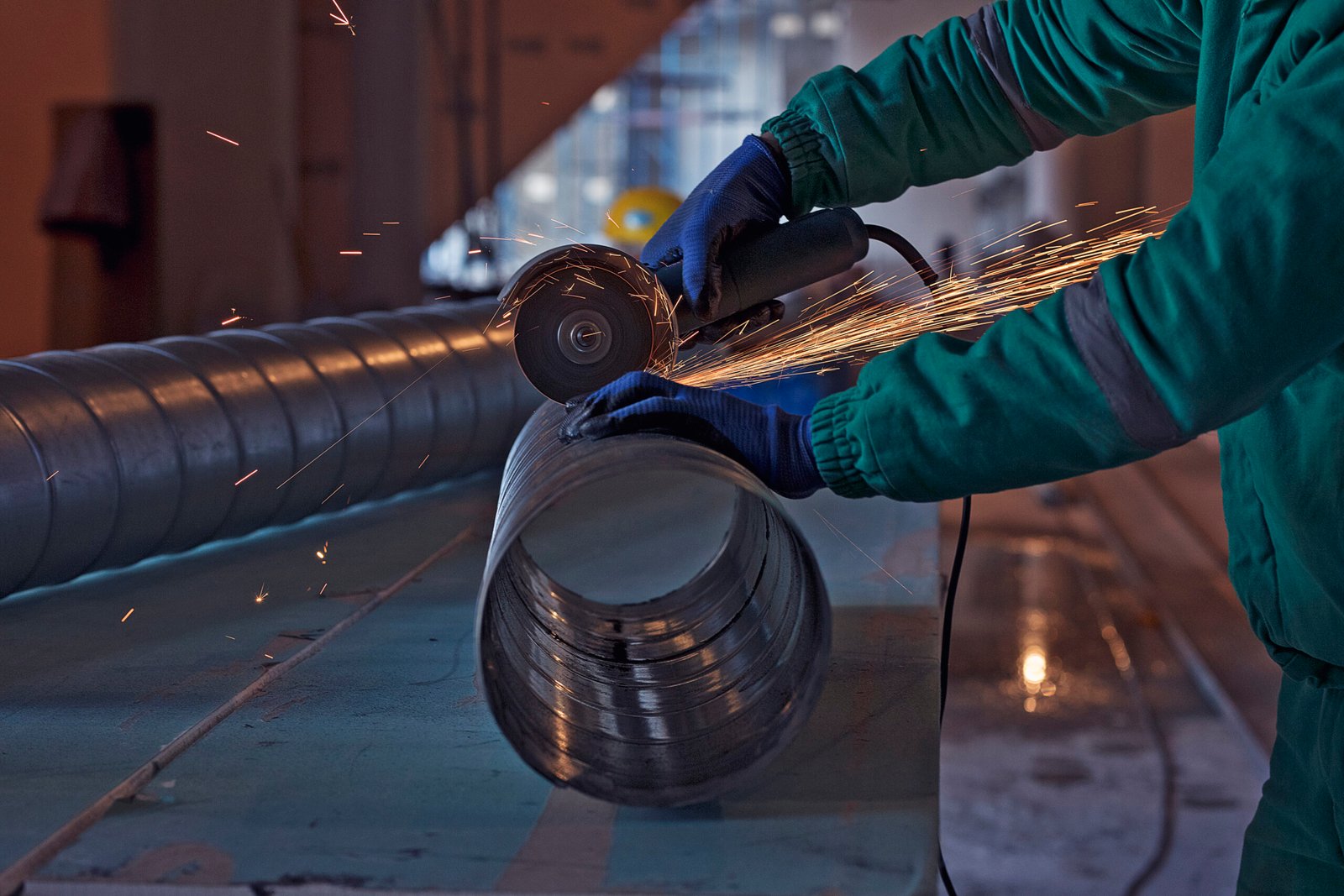
Why Stainless Steel Still Runs Bioprocessing Labs in India
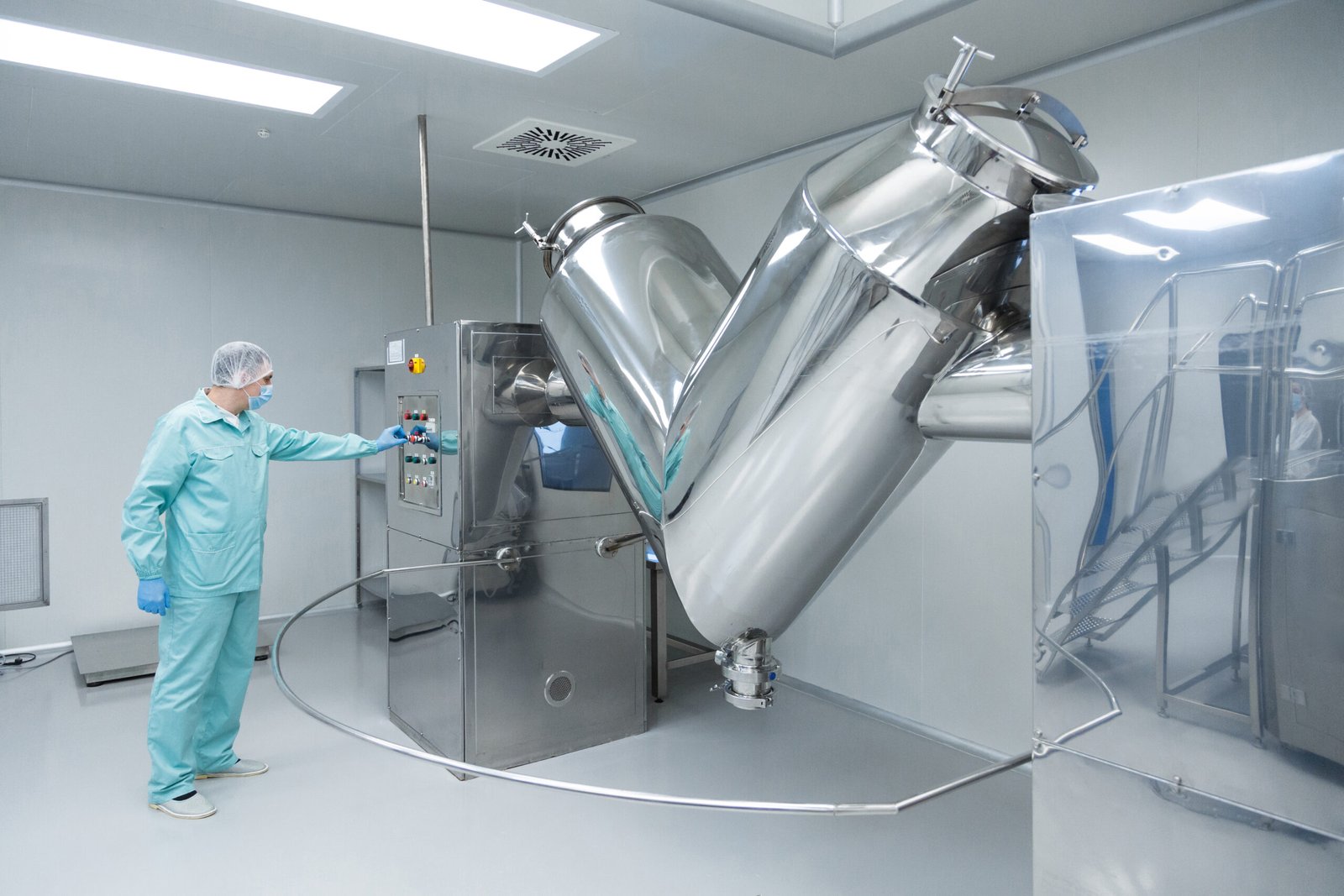
Stainless steel may look ordinary, but it quietly powers some of the world’s most advanced biopharmaceutical processes. From cleanrooms to production labs, it helps ensure safety, consistency and speed. As India scales up its biopharma goals, can this dependable metal shape the future of efficient, compliant manufacturing?
Why stainless steel remains central to bioprocessing
In biopharmaceutical manufacturing, efficiency is not just about speed. It is about repeatability, safety and meeting strict quality rules every single time. Stainless steel components sit at the heart of this system. They are used across laboratories, pilot plants and full-scale production facilities because they deliver reliability where failure is not an option.
Bioprocessing involves constant exposure to moisture, chemicals, high temperatures and frequent cleaning cycles. Materials that cannot handle these demands quickly become a risk to product quality and worker safety. Stainless steel, particularly grades such as 316L and 304, has proven over decades that it can cope with these conditions without breaking down.
Industry professionals often point out that “process consistency starts with material stability”. Stainless steel supports this by maintaining its structure and surface quality over long periods of use. This makes it easier for manufacturers to validate processes, pass inspections and maintain confidence in every batch produced.
Material strengths that improve safety and performance
One of the biggest reasons stainless steel is trusted in bioprocessing is its corrosion resistance. During cleaning and sterilisation, components are exposed to aggressive chemicals and high-pressure steam. Lower-grade materials may pit, crack or react over time, but stainless steel remains stable.
Another key advantage is hygiene. Stainless steel surfaces can be polished to a smooth finish, leaving very few places for residues or microbes to hide. This supports aseptic environments and reduces the risk of cross-contamination. In regulated settings, this directly links to easier compliance with good manufacturing practice requirements.
Durability also plays a major role. Stainless steel tools can withstand repeated handling, sterilisation and daily wear without losing accuracy or shape. This long service life reduces the need for frequent replacements, cutting downtime and long-term costs.
Heat resistance is equally important. Many bioprocess steps require autoclaving or exposure to high temperatures. Stainless steel tolerates these conditions without warping or degrading, ensuring tools remain fit for purpose batch after batch. As one commonly shared industry view puts it, “when tools survive the process, the process survives scrutiny”.
Everyday stainless-steel tools that keep labs running
Behind every successful bioprocess workflow is a set of simple but essential tools. Stainless steel funnels, scoops, spoons and spatulas are used daily to transfer powders, liquids and intermediates with precision and control. Their design may seem basic, but their impact on efficiency is significant.
Mirror-polished funnels allow materials to flow smoothly, reducing losses and making cleaning faster. Fully welded construction removes joints where contaminants could accumulate. Scoops made from high-grade stainless steel help move powders without chemical interaction, preserving formulation integrity.
Balance spoons and offset spoons support accurate weighing and dispensing, which is critical in pharmaceutical environments where even small deviations matter. Spoon spatulas and lab spatulas provide flexibility for mixing, scraping and handling viscous materials.
Manufacturers often emphasise that selecting the right tools can significantly reduce both effort and the likelihood of errors. Purpose-built stainless steel labware, especially those designed for bioprocess applications, is developed to address these precise requirements, helping ensure smoother workflows and greater operational consistency across different stages of production.
Efficiency gains, cost control and single-use comparisons
Stainless steel components directly influence operational efficiency in several ways. First, smooth surfaces make cleaning faster and more reliable. Validated cleaning protocols are easier to maintain when residues do not cling to equipment. This shortens turnaround times between batches and improves overall throughput.
Second, durability reduces disruptions. Unlike some plastic alternatives, stainless steel does not become brittle or degrade after repeated sterilisation. Teams spend less time replacing damaged tools and more time focusing on production and research goals. Over the lifetime of a facility, this translates into significant cost savings.
Single-use systems have become popular for their convenience and reduced cleaning requirements. Pre-sterilised disposable components lower contamination risks and speed up setup. However, they also bring recurring costs and generate more waste.
Stainless steel, by contrast, involves a higher upfront investment but offers a lower cost per use over time. It is especially valuable in facilities with frequent, repetitive operations. Many experts now recommend a hybrid approach, combining reusable stainless steel tools with single-use systems where flexibility and speed are critical.
Well-managed facilities select materials based on practical application and operational needs rather than passing trends. Such a balanced approach helps manufacturers optimise value, improve efficiency, and maintain consistently high safety and quality standards.
India’s outlook and best practices for the future
India’s biopharmaceutical sector is expanding rapidly, driven by rising healthcare demand, export growth, and increased investment in advanced manufacturing. Stainless steel will play a crucial role in this journey. As more facilities aim for global regulatory approvals, the need for reliable, compliant materials will only grow.
India is already a major producer of stainless steel, and continued improvements in quality and processing standards strengthen its position further. Locally manufactured, high-grade stainless steel components can support cost-effective scaling while meeting international expectations.
Best practices and why stainless steel still matters
To fully benefit from stainless steel in bioprocessing, best practices remain essential. Choosing the right grade, especially 316L for critical applications, helps prevent corrosion and contamination. Maintaining surface integrity through regular inspection, polishing and passivation preserves hygiene and performance.
Equally important is matching tools to tasks. Dedicated funnels, scoops and spoons for specific materials reduce the risk of cross-contamination and simplify validation. Proper training ensures teams handle and clean equipment correctly, protecting both product quality and worker safety.
Looking ahead, India’s progress to be driven by a combination of reliable materials and continued process innovation. With its long-established performance in regulated environments, stainless steel is likely to remain a key foundation of efficient bioprocessing as the country advances towards higher-value and globally competitive biopharmaceutical production.
In essence, stainless steel components continue to support safe, efficient and compliant bioprocessing. Their durability, hygiene and long-term value make them indispensable today, while their role in India’s growing biopharma future looks stronger than ever.