Why Stainless Steel Is Essential for Modern Industrial Applications
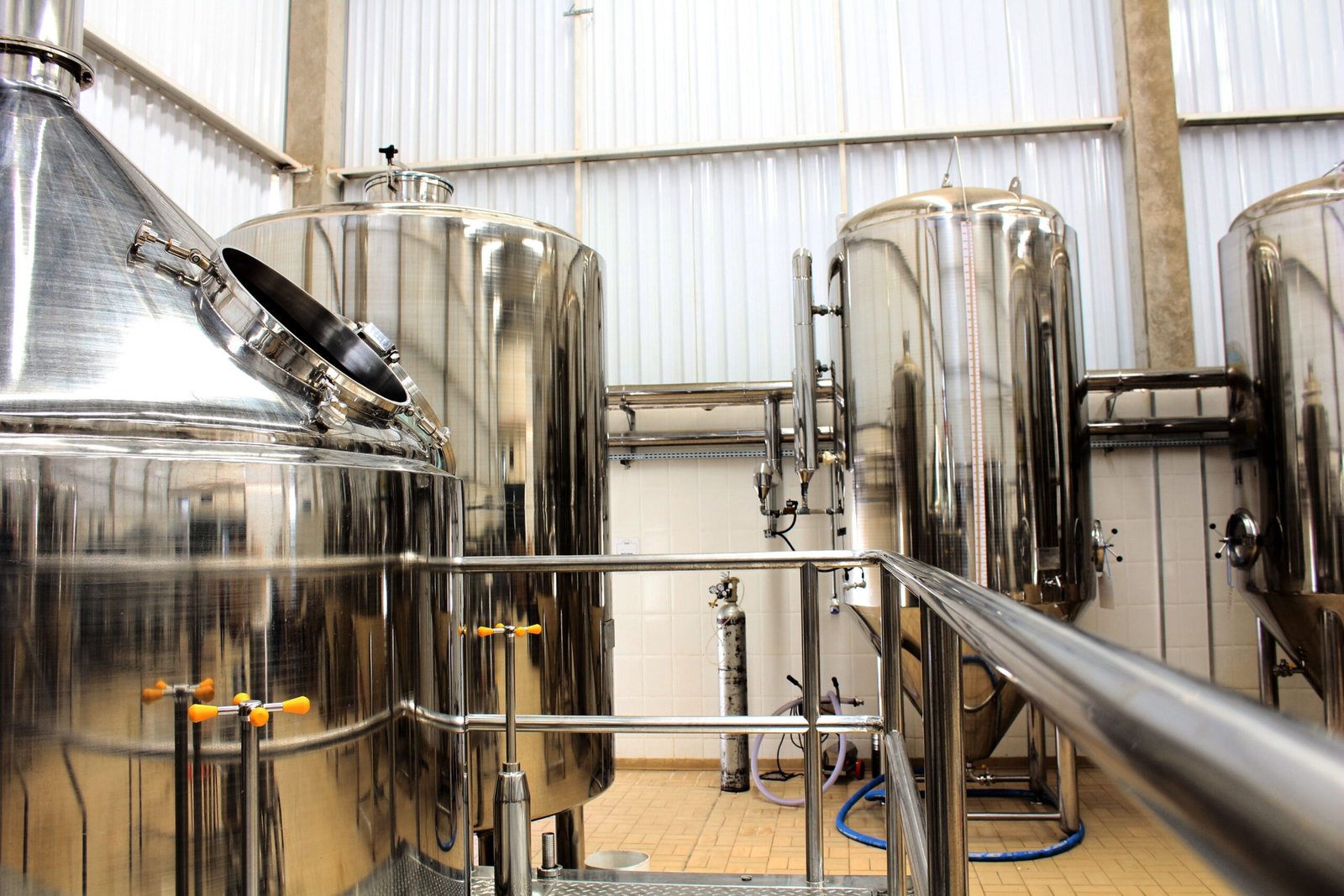
Industrial growth depends on materials that can withstand harsh environments, reduce maintenance costs, and deliver long-term performance. Among all engineering materials, stainless steel has become one of the most trusted choices across industries due to its exceptional durability, corrosion resistance, and sustainability.
From manufacturing plants and chemical processing units to food production facilities and infrastructure projects, stainless steel continues to play a critical role in ensuring operational efficiency and product reliability.
What Makes Stainless Steel Ideal for Industrial Use?
Stainless steel is an alloy primarily composed of iron, chromium, and other elements such as nickel and molybdenum. The chromium content forms a thin protective oxide layer on the surface, making the material highly resistant to rust and corrosion.
This unique property makes stainless steel suitable for environments exposed to moisture, chemicals, high temperatures, and heavy wear.
Key Benefits of Stainless Steel in Industries
Superior Corrosion Resistance
Industrial equipment often operates in aggressive environments where exposure to chemicals, water, or extreme weather is common. Stainless steel offers excellent protection against corrosion, helping businesses reduce downtime and extend equipment life.
High Strength and Durability
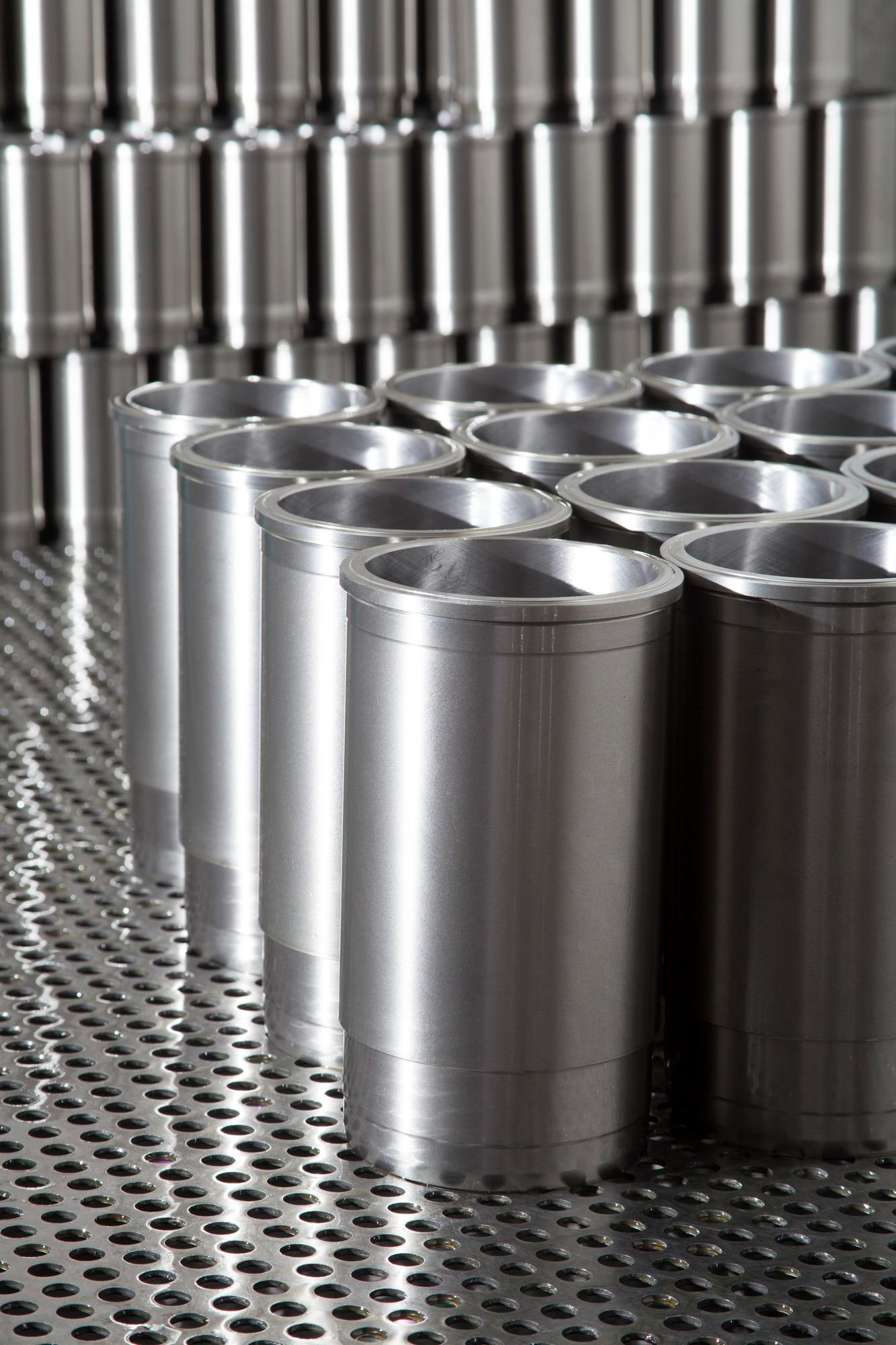
Stainless steel maintains its structural integrity even under heavy loads and high temperatures. This makes it an ideal material for machinery, storage tanks, pipelines, pressure vessels, and structural components.
Hygienic and Easy to Clean
Industries such as food processing, pharmaceuticals, and healthcare require materials that maintain high hygiene standards. Stainless steel has a smooth, non-porous surface that resists bacterial growth and is easy to sanitize.
Low Maintenance Costs
Although the initial investment may be higher than some conventional materials, stainless steel requires minimal maintenance and offers a significantly longer service life, resulting in a lower total cost of ownership.
Sustainable and Recyclable
Sustainability has become a priority for industries worldwide. Stainless steel is 100% recyclable and retains its properties even after multiple recycling cycles, making it an environmentally responsible material for modern manufacturing.
Industries That Rely on Stainless Steel
Stainless steel is widely used across multiple industrial sectors, including:
- Manufacturing and heavy engineering
- Chemical and petrochemical plants
- Food and beverage processing
- Pharmaceutical manufacturing
- Oil and gas facilities
- Water treatment plants
- Construction and infrastructure
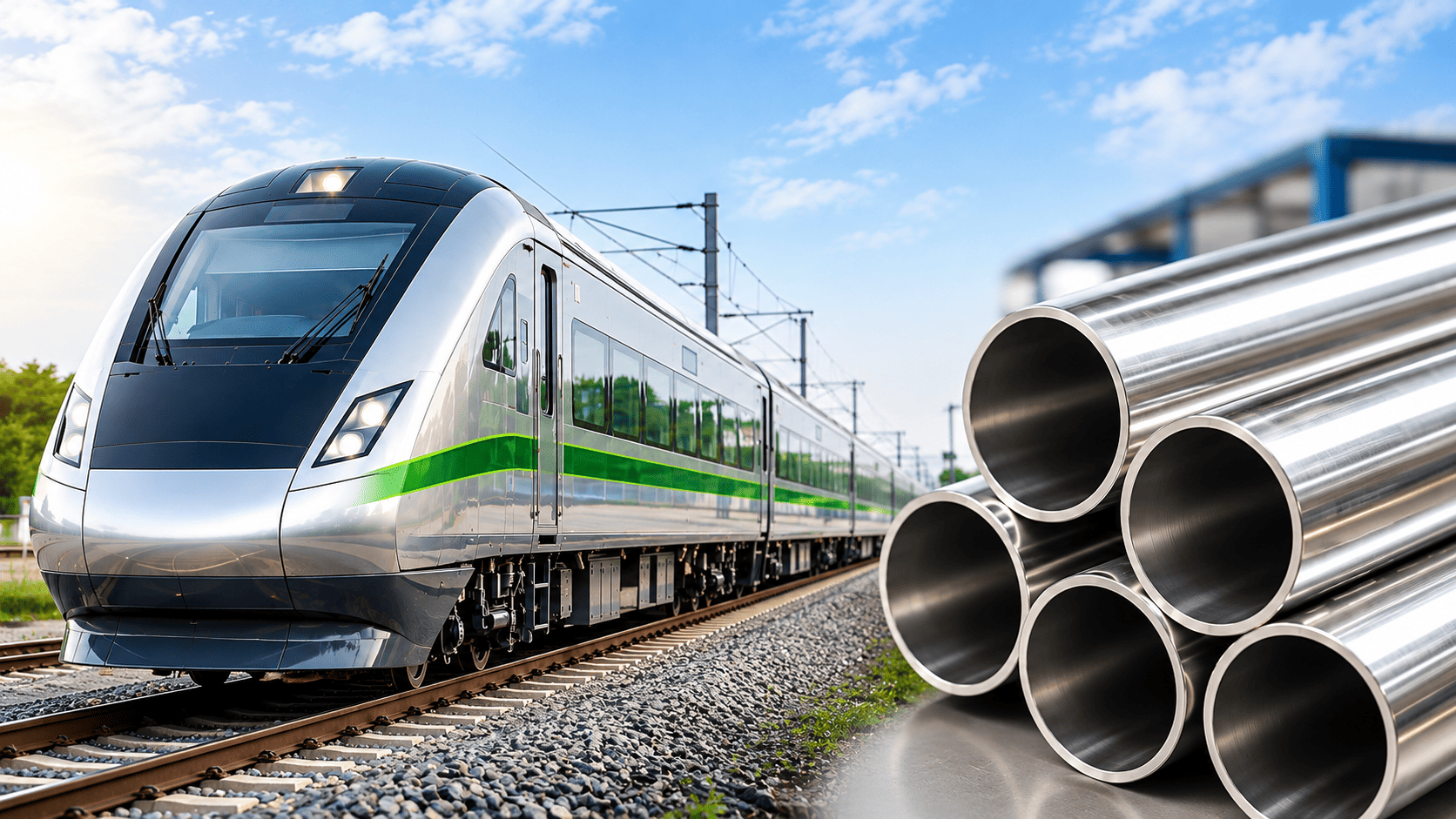
- Automotive and transportation
- Renewable energy projects
- Power generation
Its versatility allows it to perform efficiently in applications where safety, reliability, and longevity are essential.
Why Industries Continue to Choose Stainless Steel
As industries move towards smarter, more sustainable operations, material selection has become increasingly important. Stainless steel helps businesses reduce maintenance expenses, improve operational efficiency, and meet stringent environmental and quality standards.
Its ability to withstand demanding operating conditions while maintaining performance makes it one of the most valuable engineering materials available today.
Stainless steel is far more than just a corrosion-resistant metal—it’s a long-term investment in industrial reliability, safety, and sustainability. Whether used in manufacturing equipment, processing plants, or infrastructure, stainless steel continues to support industries with unmatched performance and durability.
As industrial requirements evolve, stainless steel will remain a preferred material for businesses seeking efficiency, cost savings, and sustainable growth.