Why designers are choosing stainless steel mesh for lifts
Modern buildings are paying closer attention to what happens inside the lift, not just outside it. One material quietly reshaping these small but busy spaces is stainless steel mesh. Strong, easy to maintain, and visually appealing, it is becoming a preferred choice for lift cladding, with manufacturers steadily improving how it is designed, made, and used.
Why lift interiors are getting more attention
Step into almost any busy office tower, hotel, or apartment block and you will notice one shared space: the lift. It is used by hundreds, sometimes thousands, of people every day. Yet for a long time, lift interiors were treated as purely functional, often finished with plain panels that did little more than cover the walls.
That is beginning to change. Designers and building owners are now treating lifts as an extension of the building’s overall style. The reasoning is simple. A lift is often the first enclosed space a visitor experiences. It leaves an impression, whether good or bad.
At the same time, lifts are exposed to constant wear. People lean on the walls, bags scrape surfaces, and trolleys bump into corners. Traditional materials such as laminate or painted steel struggle to cope with this level of use. They scratch easily, show dents, and quickly lose their original finish.
This is where stainless steel mesh has found its place. It offers a practical solution to everyday wear while also adding a distinct visual quality that flat panels cannot match.
The practical strength of stainless steel mesh
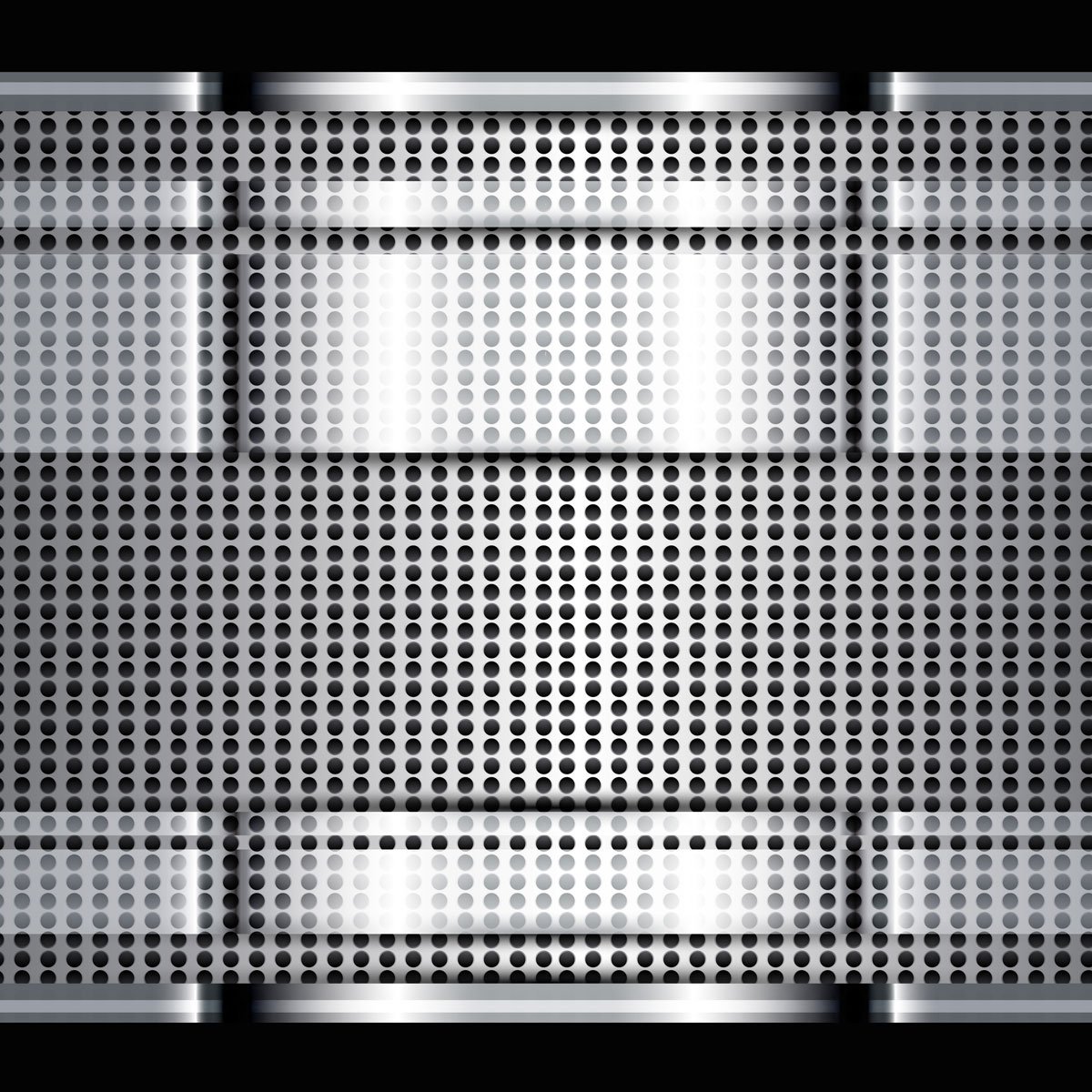
The growing popularity of stainless steel mesh is largely due to how it performs in real-life conditions. Unlike smooth panels, mesh is made from interwoven or linked metal wires. This structure spreads out contact across a wider surface.
In simple terms, when something hits or rubs against mesh, the impact is less noticeable. Small scratches or marks do not stand out as much as they would on a flat sheet. Over time, this helps lifts maintain a cleaner and more consistent appearance.
Maintenance is another key factor. Cleaning teams often work under tight schedules, especially in large commercial buildings. Stainless steel mesh is relatively easy to wipe down, and it does not trap dust and moisture in the same way as some textured or jointed panels. This means quicker cleaning and lower long-term maintenance effort.
There is also the matter of durability. Stainless steel, particularly common grades like 304 and 316, is known for its corrosion resistance. This makes it suitable for a wide range of environments, from dry office buildings to more humid or coastal locations where materials can degrade faster.
Taken together, these qualities make stainless steel mesh a reliable option for spaces that must balance appearance with heavy use.
A fresh design language for small spaces
While practicality is important, design plays an equally strong role in the rise of stainless steel mesh. Lift cabins are often compact, and creating a sense of depth or interest in such limited space can be difficult.
Mesh changes that. Its layered structure interacts with light in subtle ways. Depending on the viewing angle and lighting conditions, the surface can appear to shift, adding a sense of movement and depth. This effect is hard to achieve with flat materials.
Designers have started using this quality to enhance interiors in hotels, corporate offices, and mixed-use developments. Instead of plain walls, lifts can feature textured surfaces that feel more refined without being overly complex or expensive.
Another advantage is flexibility. Stainless steel mesh can be cut, shaped, and combined with other materials. It can be mounted onto panels, stretched across frames, or even placed in front of lighting to create a soft glow. This allows architects to experiment with different looks while still working within practical constraints.
As a result, mesh is no longer an afterthought. It is increasingly being included in the early design stages of a project, rather than added later as a decorative upgrade.
Different types of mesh and their uses
Not all stainless steel mesh looks or behaves the same. Manufacturers have developed different types to suit various design and structural needs in lift interiors.
One widely used option is spiral wire mesh. This type is made by weaving metal spirals together in a continuous pattern. The result is a flat, consistent surface that works well for wall panels. Because of its uniform structure, it is especially useful when combined with lighting. Light can pass through evenly, creating a balanced and clean visual effect.
Spiral mesh is also valued for its strength. The way it is woven helps distribute tension evenly, reducing the risk of warping or distortion over time. This makes it a dependable choice for high-use lift cabins.
Another popular type is metal ring mesh. Instead of spirals, this design uses small metal rings linked together, similar to chainmail. The structure gives it more flexibility and a slightly softer appearance.
Metal ring mesh can drape or adapt to curved surfaces more easily than spiral mesh. This makes it suitable for lifts with rounded corners or more creative interior designs. It also reflects light differently, producing a more dynamic and eye-catching effect.
Both types are typically made from stainless steel grades chosen for durability and resistance to corrosion. The choice between them often comes down to the desired look and how the material needs to fit within the lift’s design.
What makes a manufacturer stand out
As demand for stainless steel mesh grows, more manufacturers are entering the market. However, not all offer the same level of quality or service. Certain factors tend to separate the more reliable suppliers from the rest.
One important aspect is customisation. Lifts come in many shapes and sizes, and standard sheet dimensions do not always fit. Manufacturers that can produce mesh in specific sizes, with tailored patterns and finishes, are better equipped to meet real project needs.
Consistency in production is equally important. Even small variations in wire thickness or ring size can affect the final appearance. In a lift, where lighting can highlight every detail, these inconsistencies become more noticeable.
Manufacturers that invest in precise machinery and quality control systems are more likely to deliver uniform products. This helps designers achieve the clean and polished look they expect.
Lead time is another consideration. Construction projects often run on tight schedules. Suppliers who can deliver customised mesh without long delays provide a clear advantage.
Finally, experience in architectural applications matters. Producing mesh for design purposes is different from making it for industrial use. It requires a stronger focus on appearance, finish, and collaboration with designers and installers.
A changing market and what lies ahead
The use of stainless steel mesh in lift cladding reflects broader trends in construction and interior design. There is a growing demand for materials that combine durability with visual appeal, especially in commercial spaces.
At the same time, sustainability is becoming more important. Stainless steel is fully recyclable, and mesh uses less material than solid panels. This makes it an attractive option for projects aiming to reduce environmental impact.
There is also increasing interest in combining mesh with other technologies. For example, integrating lighting systems behind mesh panels can create new design effects. Some developments are even exploring how mesh might contribute to sound control within lift cabins.
Manufacturers are responding by investing in new product ideas and refining existing ones. Those who continue to adapt are likely to remain competitive as design expectations evolve.
In the end, the rise of stainless steel mesh is not just about a single material. It reflects a wider shift in how even the smallest spaces in a building are designed. Lifts are no longer overlooked. With the help of materials like stainless steel mesh, they are becoming part of the overall experience, which is practical, durable, and quietly distinctive.