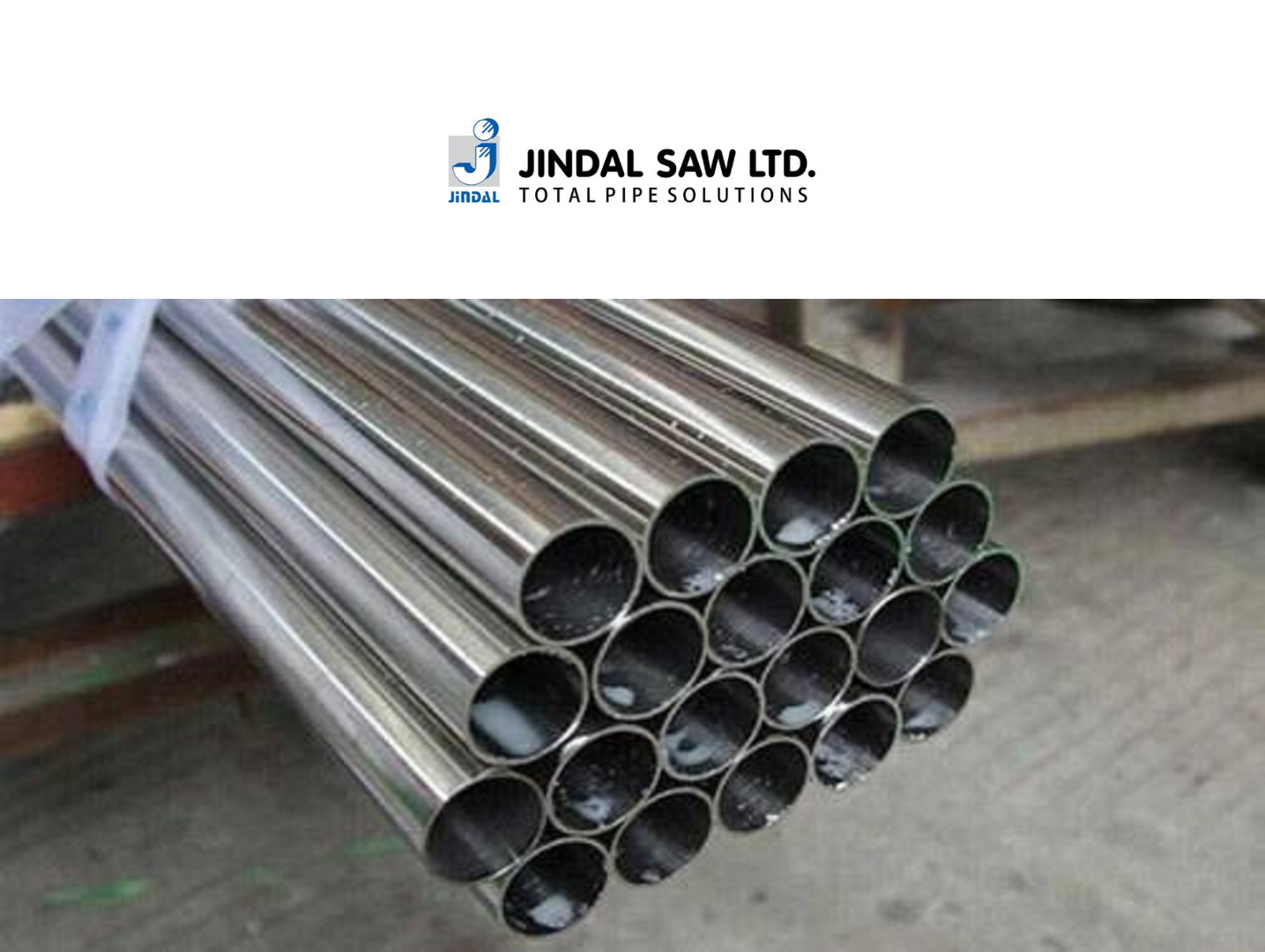
Viraj Profiles announces stainless steel expansion plan in Palghar

How much growth can a region handle before concerns over land, water, and health take centre stage? Viraj Profiles’ planned stainless steel expansion in Palghar promises over 5,000 new jobs and strong environmental goals, but it has also triggered protests, raising questions ahead of a key public hearing in April.
Expansion plan focused on jobs and green goals
Viraj Profiles Pvt Ltd has proposed expanding its stainless steel units in Maan and Warangade villages in Palghar, increasing production of sheets, plates and coils. The company says the move supports industrial growth along with community development.
The firm currently employs around 13,000 people and expects to add over 5,000 more jobs, with priority for local residents.
Its social plan includes better school facilities, scholarships, vocational training, improved healthcare, support for women-led businesses, and upgraded village infrastructure like roads, solar lighting and drinking water.
On the environmental side, the company aims for near zero emissions by 2030 through renewable energy use, better waste treatment and green belts around its plants.
Public hearing held amid protests
The Maharashtra Pollution Control Board held the public hearing on April 8 at Viraj Profiles’ SRM plant in Maan for the proposed Palghar expansion, amid strong local opposition.
Days earlier, on April 4, protests broke out on the Boisar–Chillar road, with residents and political groups blocking traffic and calling for the project to be stopped.
Protesters raised concerns over environmental damage, including water and land pollution, and warned that a 105-acre expansion could increase ecological stress and health risks.
They also questioned the approval process, alleging missing local consent under the PESA Act and raising doubts about whether the full 45-day notice period was followed.
Community concerns and rising tensions
Local groups have raised concerns over the project’s heavy water use, estimated at around 4.2 million litres per day, saying it could reduce irrigation supply and affect farming and Adivasi communities. They have also said earlier job promises for around 3,500 Adivasi people have not been fully met, adding to local frustration over uneven development benefits.
On the other hand, company officials have said they intend to use the upcoming hearing to present facts, clarify misunderstandings, and explain the project’s benefits in detail. They have described local villagers as important partners in the region’s long-term development and say their CSR initiatives are designed to support inclusive growth.
Despite this, community representatives have warned that protests could intensify if the hearing goes ahead without changes or if their demands are not addressed. With both sides holding firm positions, the upcoming public hearing is expected to be a crucial moment in deciding the future of the expansion project in Palghar.