Understanding austenitic stainless steel: Key types and their applications
Austenitic stainless steel is the most widely used type of stainless steel. Let us understand the different types of austenitic stainless steel and how their varied compositions add to their benefits.
Stainless steel, renowned for its resistance to corrosion and remarkable durability, is an alloy primarily made of iron, chromium, and varying amounts of other elements. Among its diverse categories, austenitic stainless steel stands out as the most widely used type, thanks to its superior corrosion resistance, excellent formability and non-magnetic nature. Composed predominantly of chromium (16-26 per cent) and nickel (6-22 per cent), austenitic stainless steel also contains small amounts of manganese and nitrogen to enhance its properties.
Let’s delve into the key types of austenitic stainless steel and their distinctive uses.
- Type 304: The universal choice
Type 304, also known as 18/8 stainless steel (18 per cent chromium, 8 per cent nickel), is the most versatile and widely used austenitic stainless steel. It is valued for its high resistance to corrosion and excellent mechanical properties.
Applications:
- Kitchenware like utensils, sinks, and cookware
- Food and beverage processing equipment
- Architectural panelling and railings
- Type 316: The marine-grade hero
Adding molybdenum (2-3 per cent) to its composition, Type 316 stainless steel offers enhanced resistance to pitting and corrosion in chloride-rich environments.
Applications:
- Marine equipment such as boat fittings and coastal architecture
- Medical devices like surgical implants and instruments
- Chemical processing equipment
- Type 310: High-temperature performer
With a higher chromium (24-26 per cent) and nickel (19-22 per cent) content, Type 310 excels in extreme temperatures, maintaining strength and oxidation resistance.
Applications:
- Furnace components and heat exchangers
- Kilns and burners
- Jet engine parts
- Type 321: Stabilised for strength
Type 321 is stabilised with titanium, reducing the risk of intergranular corrosion, particularly after welding.
Applications:
- Aerospace components
- Exhaust systems in automotive and industrial sectors
- Pressure vessels and piping
- Type 201: Economical and efficient
Containing lower nickel content, Type 201 is a cost-effective alternative with moderate corrosion resistance and high toughness.
Applications:
- Lightweight transport equipment
- Decorative trims and panels
- Food storage containers
Austenitic stainless steel’s adaptability makes it indispensable across industries. Selecting the right type is crucial to achieving optimal performance and longevity in specific applications.
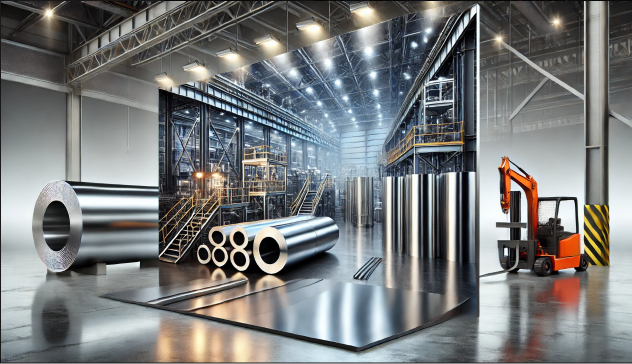
Disclaimer: The AI-generated image is for representational purpose only.