Titagarh Delivers India’s First Stainless Steel Metro Trainset for Ahmedabad
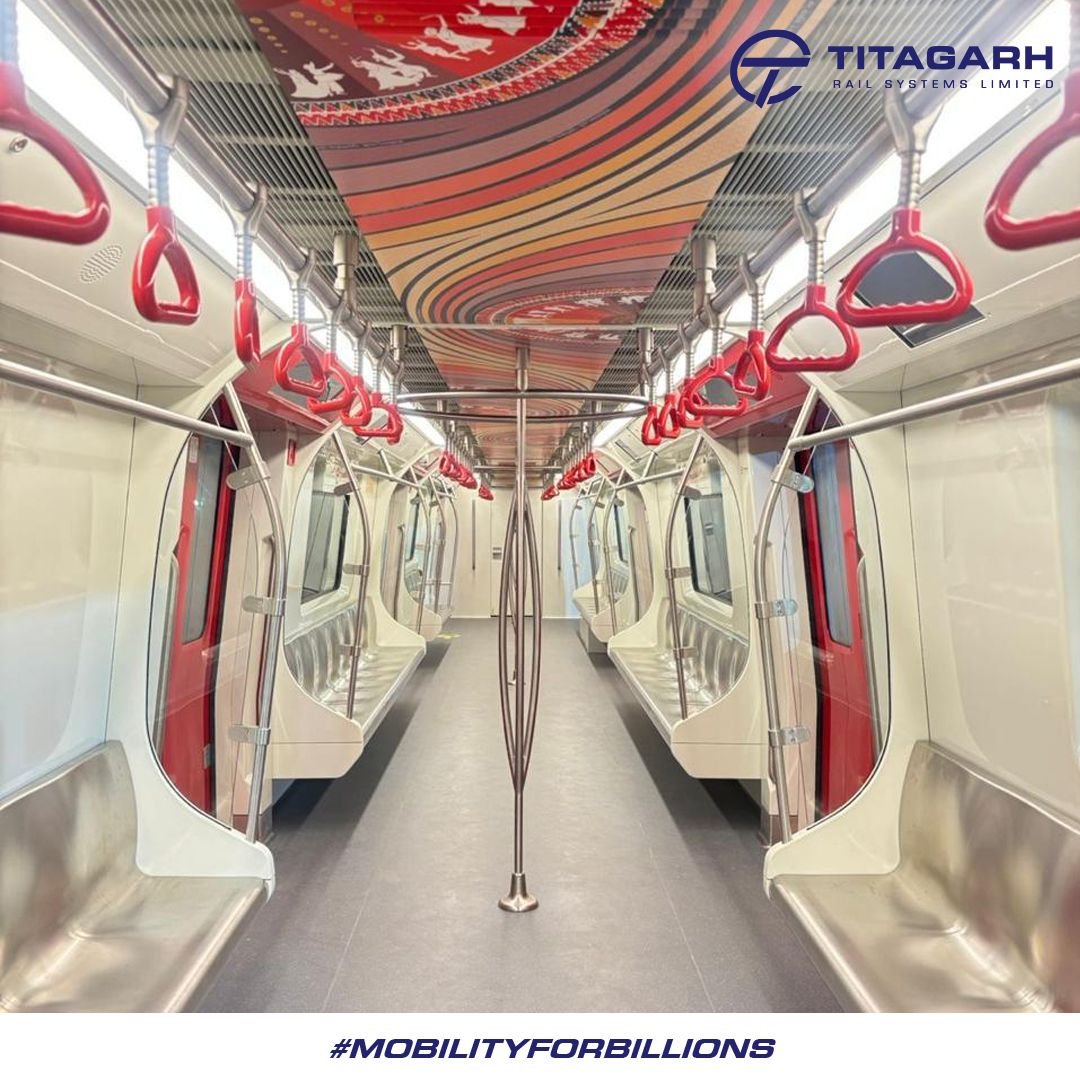
Kolkata-based Titagarh Rail Systems delivered India’s first stainless steel metro trainset for Ahmedabad on Saturday. The company unveiled the trainset at an event attended by Gujarat Chief Minister Bhupendra Patel. Moreover, Hasmukh Adhia and Gujarat Metro Rail Corporation managing director SS Rathod also joined the programme.
The stainless steel metro trains will operate on key Ahmedabad–Gandhinagar corridors. Specifically, services will run on the Yellow Line from Narendra Modi Stadium to Mahatma Mandir. The corridor covers 23.8 km and links major urban centres. Meanwhile, the Violet Line branch will connect GNLU, PDEU, and GIFT City over 5.4 km. Overall, the elevated metro network spans 28.26 km and serves 22 stations.
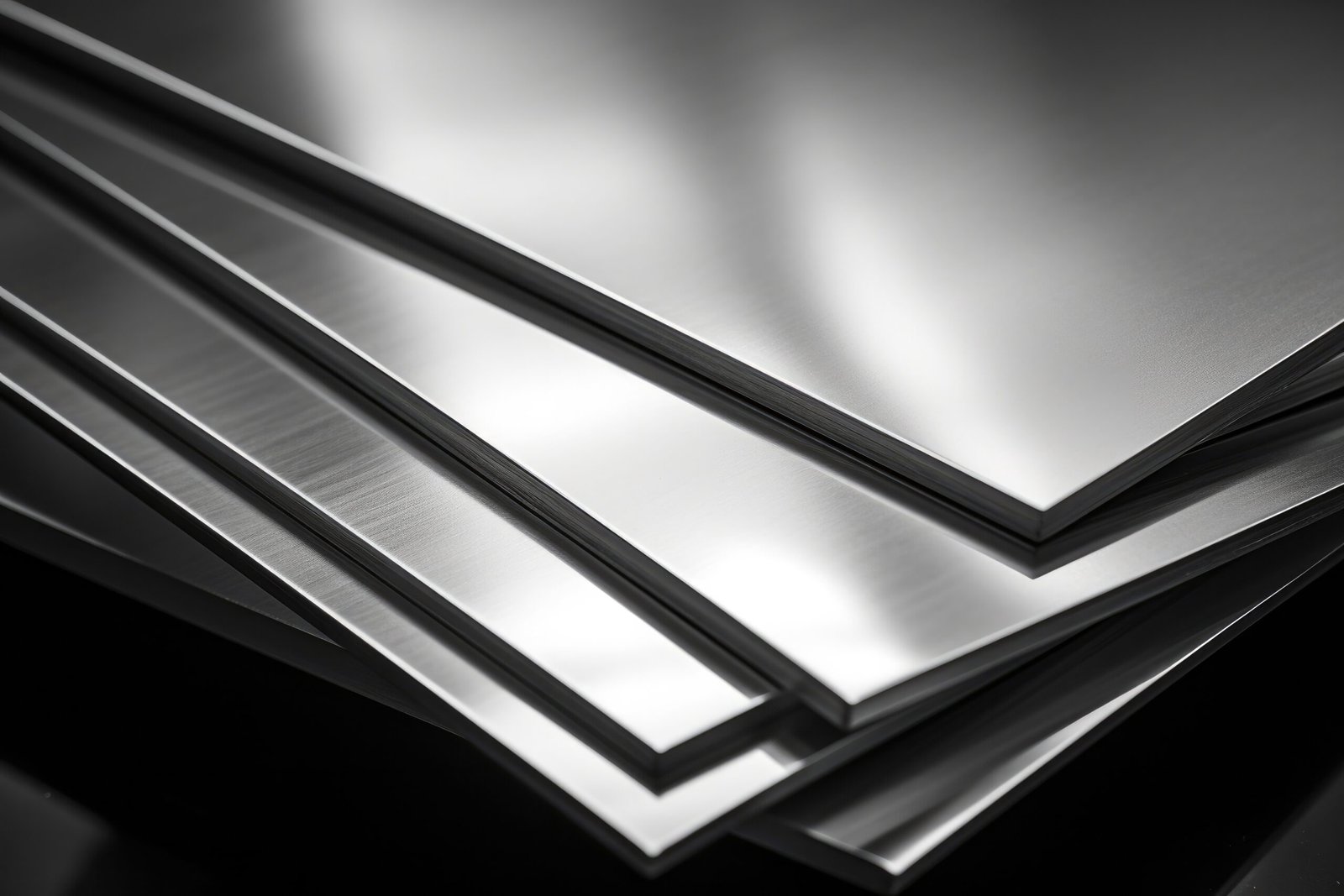
Titagarh built the trainsets with stainless steel car bodies. As a result, the trains offer higher corrosion resistance and longer service life. Additionally, stainless steel improves structural strength and lowers long-term maintenance needs.
Umesh Chowdhary, vice chairman and managing director, highlighted strong domestic manufacturing in the project. He said the trainsets include 70–75 per cent local content by value. Therefore, the delivery reflects India’s expanding stainless steel fabrication and rail engineering capabilities.
The delivery marks an important milestone for Titagarh Rail Systems. Earlier, the company worked as a component manufacturer during the 1980s. Later, it entered wagon manufacturing in the 1990s. Now, it produces advanced stainless steel metro rolling stock for urban transport.
Meanwhile, Titagarh secured its first signalling and safety systems order last week. The Ministry of Railways awarded the contract worth Rs 273 crore. Furthermore, the order signals the company’s expansion into higher-value rail technologies.
Titagarh reported Rs 1,057 crore revenue for the quarter ended September 2025. The figure shows a 13 per cent increase from the same period last year. Additionally, net revenue rose 14.3 per cent to Rs 80.7 crore.
This project strengthens stainless steel adoption across India’s expanding metro networks.