Stainless Steel Welded Pipe Market to Touch US $34 Billion by 2035
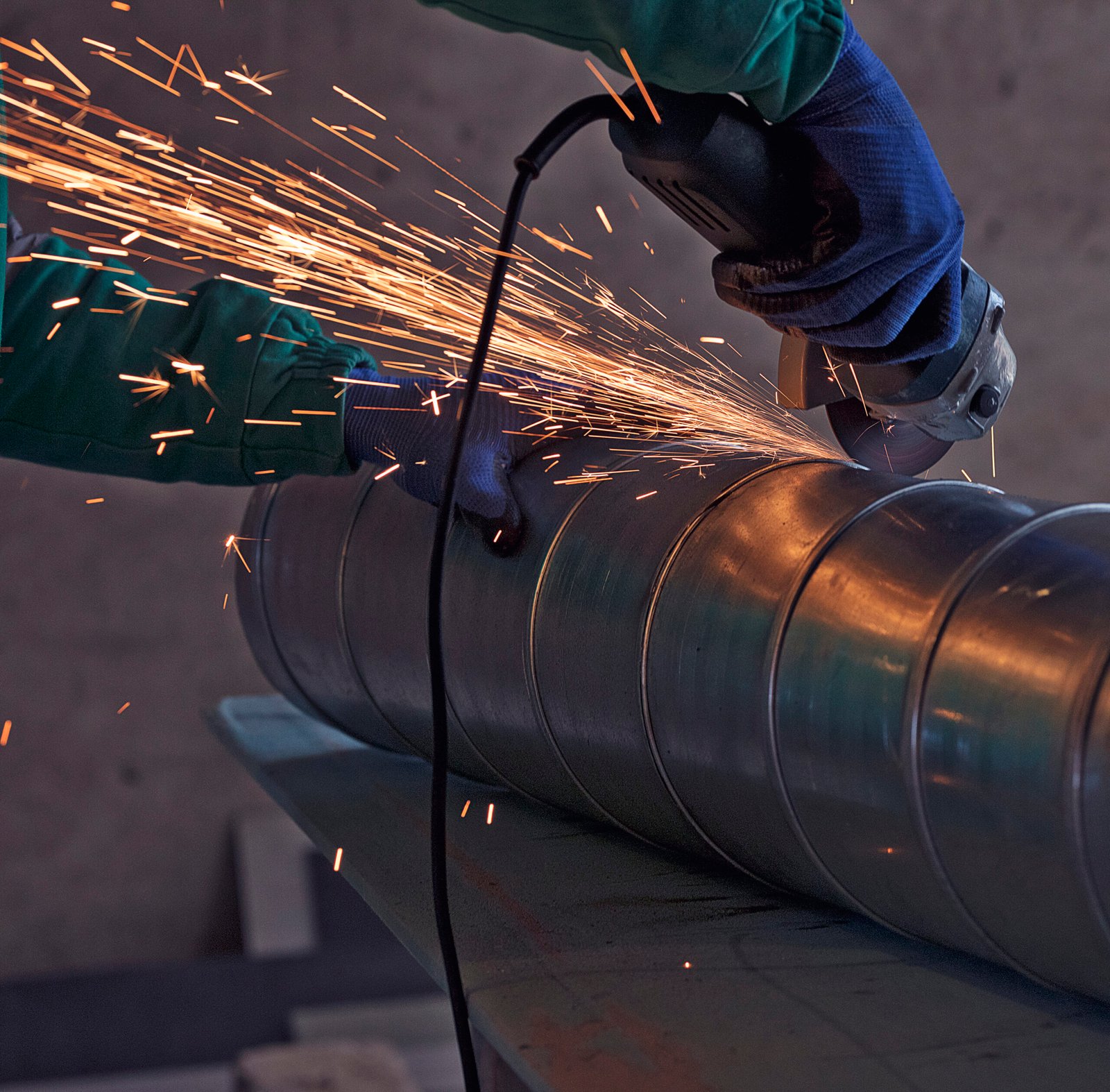
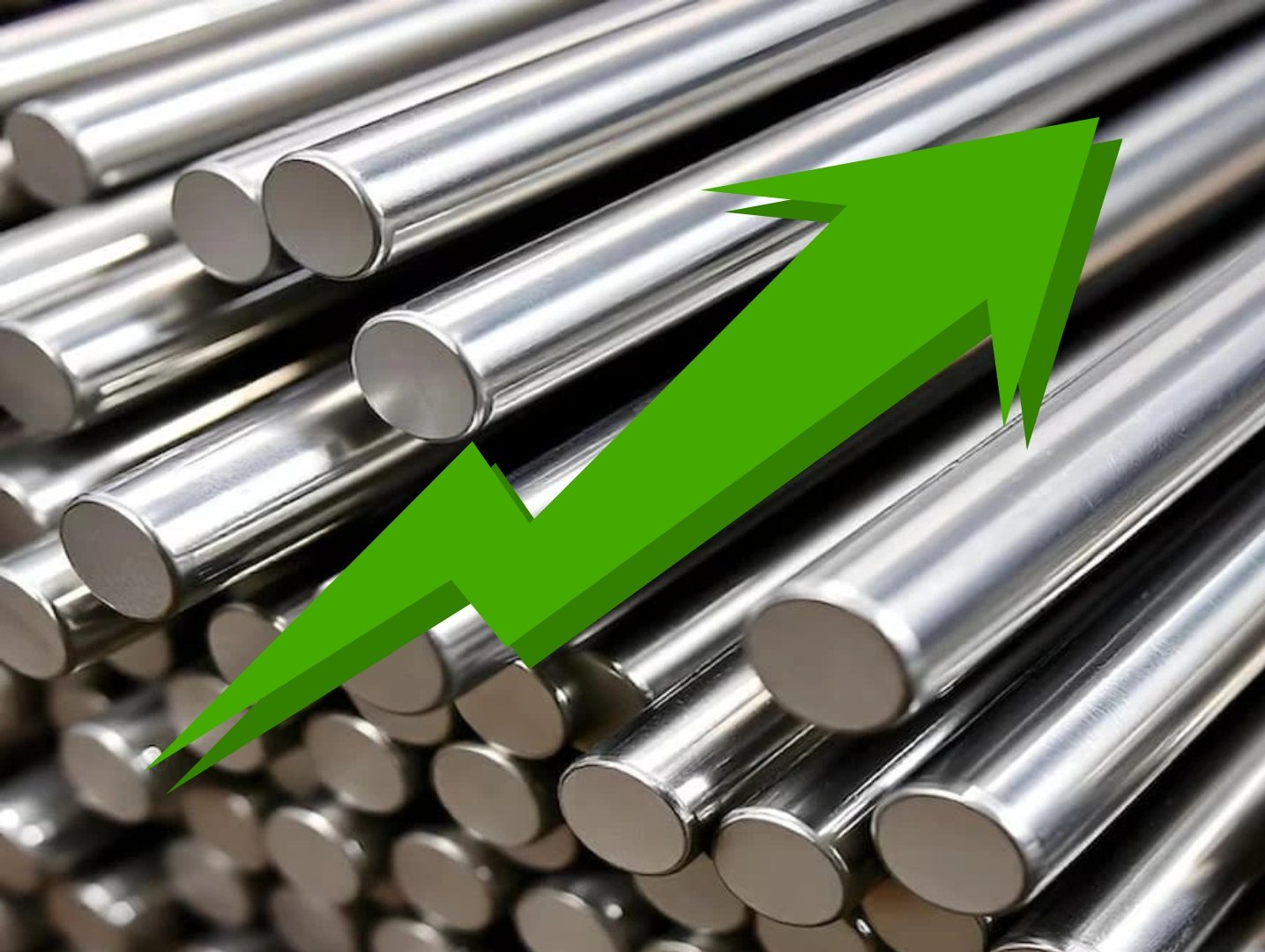
As per a report of Future MarketInsights, the global stainless steel welded pipe market will grow steadily over the next decade. It is expected to rise from US $20.9 billion in 2025 to US $34 billion by 2035, showing a five per cent CAGR. This growth comes from rapid infrastructure expansion, oil and gas investments, and rising demand for corrosion-resistant materials.
Major companies such as Marcegaglia Stainless Tubes, Alleima, Outokumpu, Nippon Steel, and ArcelorMittal continue to strengthen their presence. They are investing in advanced production systems and greater vertical integration to improve efficiency and reliability. Meanwhile, emerging manufacturers in Asia Pacific, the Middle East, and Latin America are focusing on automation and sustainability to meet local demand.
Technology plays a key role in shaping the market. Producers now use AI-driven defect detection, laser seam tracking, and predictive maintenance tools. These innovations improve product quality and reduce downtime. They also help manufacturers meet strict performance standards in LNG terminals, desalination plants, and chemical facilities.
Integrated producers benefit the most since they control coil sourcing, welding, and finishing. They achieve better cost efficiency and on-time delivery. However, smaller producers depend on external suppliers and face raw material price swings and shipping delays.
The oil and gas industry remains the largest consumer, accounting for 32 per cent of the total market. Stainless steel pipes offer strength and corrosion resistance, making them essential for offshore drilling and LNG transport. In addition, demand is growing in water distribution and desalination projects, particularly in India, the Middle East, and Southeast Asia. Governments in these regions are investing heavily in water security and sustainable infrastructure.
The construction sector is also adding momentum. Builders prefer stainless steel for its durability and aesthetic appeal in modern commercial designs.
Regionally, Saudi Arabia leads with a six per cent CAGR under Vision 2030, driven by oil and desalination projects. India follows closely with 5.8 per cent, supported by the Make in India and Smart Cities initiatives. China remains a major hub with a 5.4 per cent CAGR, supported by its strong chemical and water infrastructure sectors. Other regions like Brazil, the USA, Germany, and Japan show stable progress through industrial and LNG projects.
Manufacturers are moving towards low-carbon production methods using electric arc furnaces and recycled materials. These processes cut carbon emissions by up to 70 per cent and align with global green goals.
Digitalisation is another major trend. Producers now use real-time weld testing and traceability platforms to ensure consistent quality. These systems also reduce waste and lower production costs.
The industry is entering a new phase of collaboration. Manufacturers, EPC contractors, and technology partners are working together to develop sustainable alloys and smart production systems. Investors are backing R&D and capacity expansions to meet growing demand from oil, gas, and construction sectors. As the market matures, partnerships between global and regional players will shape its next phase of growth.