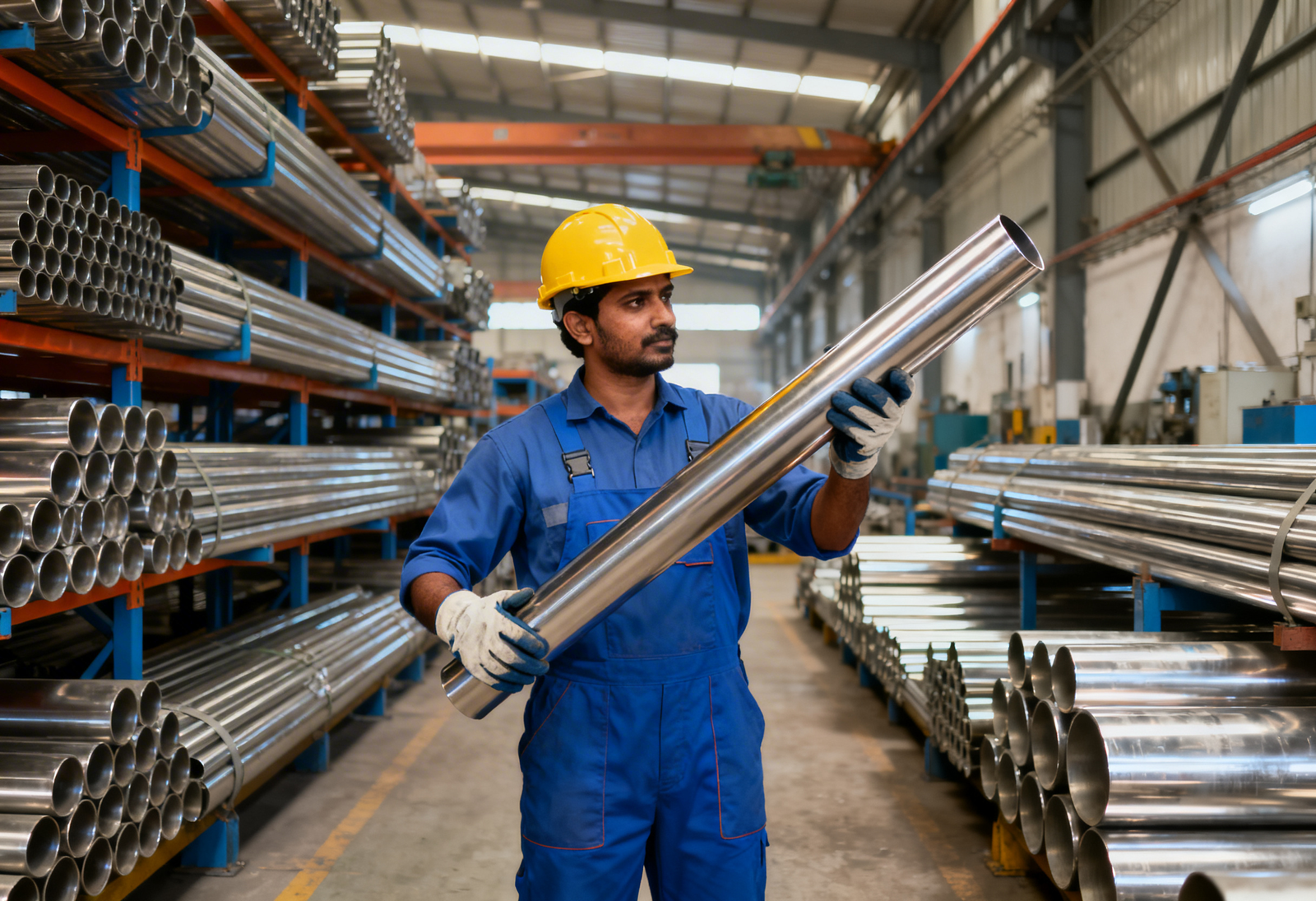
Stainless Steel: The Sustainable Superstar of the Materials World

Dr. G. H. Thanki explores stainless steel’s unparalleled sustainability benefits, highlighting its recyclability, durability, and environmental certifications as pivotal in fostering a greener future.
As the world grapples with the challenges of climate change, environmental degradation, and resource depletion, industries are increasingly turning to sustainable materials that can help reduce their ecological footprint. Among these materials, stainless steel stands out as a shining example of sustainability, durability, and environmental responsibility.
In this article, we will delve into the world of stainless steel and explore its numerous benefits, from its recyclability and durability to its corrosion resistance and energy efficiency. We will also examine the environmental certifications and life cycle assessments that demonstrate stainless steel’s commitment to sustainability.
The Sustainability Benefits of Stainless Steel
Stainless steel is a highly sustainable material that offers numerous benefits to industries and the environment. Some of the key sustainability benefits of stainless steel include:
- Recyclability: Stainless steel is 100% recyclable, making it an ideal material for industries looking to reduce their waste and minimize their environmental impact. In fact, over 90% of stainless steel is recycled worldwide, making it one of the most recycled materials on the planet.
- Durability: Stainless steel is incredibly durable and can withstand even the most extreme conditions. This durability means that stainless steel products can last for decades, reducing the need for frequent replacements and minimizing waste.
- Low Maintenance: Stainless steel requires minimal maintenance, reducing the environmental impact of cleaning and repair processes. This low maintenance requirement also means that industries can save time and money on maintenance costs.
- Energy Efficiency: Stainless steel can be used to improve energy efficiency in various applications, such as heat exchangers and cookware. This energy efficiency can help reduce greenhouse gas emissions and minimize the environmental impact of industrial processes.
The Environmental Control Benefits of Stainless Steel
In addition to its sustainability benefits, stainless steel also offers numerous environmental control benefits. Some of the key environmental control benefits of stainless steel include:
- Corrosion Resistance: Stainless steel’s corrosion resistance reduces the risk of environmental contamination from corrosion by-products. This corrosion resistance also means that stainless steel products can withstand even the most extreme environmental conditions.
- Non-Toxic: Stainless steel is non-toxic and non-reactive, making it an ideal material for applications involving food, water, and pharmaceuticals. This non-toxicity also means that stainless steel products can be safely recycled and reused.
- Resistance to Extreme Temperatures: Stainless steel’s resistance to extreme temperatures reduces the risk of environmental damage from thermal stress. This resistance also means that stainless steel products can withstand even the most extreme temperature fluctuations.
- Reusability: Stainless steel’s reusability reduces waste and minimizes the environmental impact of production processes. This reusability also means that industries can save time and money on production costs.
Life Cycle Assessment (LCA) of Stainless Steel
A Life Cycle Assessment (LCA) is a method used to evaluate the environmental impacts of a product or material throughout its entire life cycle. Stainless steel has undergone numerous LCA studies, which have consistently shown that stainless steel has a lower environmental impact compared to other materials.
One such study, conducted by the International Stainless Steel Forum (ISSF), found that stainless steel has a significantly lower environmental impact than other materials, including carbon steel, aluminum, and copper. The study also found that stainless steel’s recyclability and reusability play a significant role in reducing its environmental impact.
Environmental Certifications for Stainless Steel
Stainless steel can be certified to various environmental standards, including:
- ISO 14001: An international standard for environmental management systems.
- LEED: Leadership in Energy and Environmental Design. A green building rating system that recognizes sustainable materials and practices.
- EPD: An Environmental Product Declaration that provides a transparent and comparable declaration of a product’s environmental impact.
These environmental certifications demonstrate Stainless Steel’s commitment to sustainability and environmental responsibility. By choosing stainless steel products with these certifications, industries can reduce their environmental footprint and contribute to a more sustainable future.
Conclusion
Stainless steel is a highly sustainable and environmentally friendly material that offers numerous benefits to industries and the environment. Its recyclability, durability, low maintenance requirements, and energy efficiency make it an ideal material for applications where sustainability and environmental responsibility are paramount. By choosing stainless steel products, industries can reduce their environmental footprint, minimize waste, and contribute to a more sustainable future. As the world continues to grapple with the challenges of climate change and environmental degradation, stainless steel is poised to play an increasingly important role in the transition to a more sustainable and environmentally responsible future.