Stainless Steel Supply Disrupts Due to US Tariffs and Geopolitics

Outokumpu, a global leader in sustainable stainless steel, has revealed how tariffs and geopolitical tensions are changing stainless steel procurement worldwide. The company released a whitepaper, The Evolution of Materials, based on a survey of 70 senior decision-makers at companies with a combined revenue of around US $430 billion. These participants represent major industrial steel users in energy, consumer goods, automotive, construction, and infrastructure.
The survey, conducted in May 2025 during early U.S. tariff rounds, shows that one in three organisations paused or delayed stainless steel orders due to market uncertainty. Moreover, over half are now re-evaluating their sourcing strategies, and 30 per cent have already switched suppliers in response to shifting trade conditions.
Regional approaches vary significantly. For example, North American companies reacted quickly, locking in long-term prices to hedge against volatility. Meanwhile, European firms built up inventory to protect against future disruptions.
Tariffs and political uncertainty are forcing industries to rethink materials sourcing. Consequently, Kati ter Horst, President and CEO of Outokumpu, highlighted that policymakers must act to protect critical infrastructure projects. She added that a convergence of political, environmental, and economic pressures gives stainless steel a bigger role in the built environment.
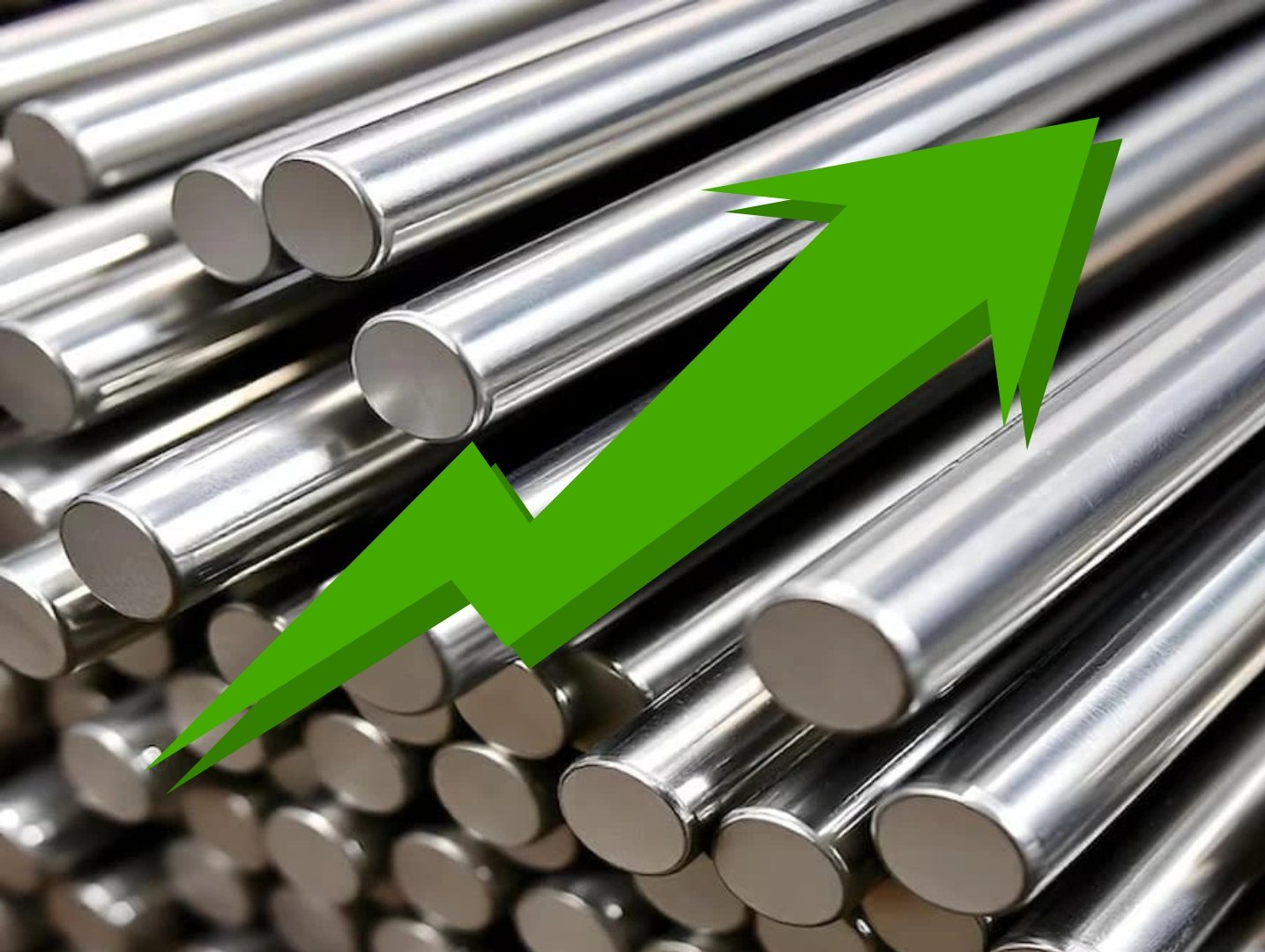
Despite short-term caution, two in three respondents expect higher stainless steel consumption over the next five years. In addition, around one in three foresee a significant rise. Even over the next twelve months, nearly half predict volume growth.
Long-term demand rises as stainless steel expands beyond traditional industries. Climate change, urban growth, and stricter environmental rules drive adoption. Furthermore, its strength and corrosion resistance help protect bridges, tunnels, skyscrapers, and coastal defences. Its recyclability and long lifecycle also make stainless steel vital for resilient, low-impact infrastructure.
The metal is also gaining importance in defence and aerospace sectors. Consequently, stainless steel supports durable, heat-resistant, circular assets, from reusable rockets to energy-efficient surveillance systems.