Stainless Steel Industry Seeks Safeguard Measures Amid Rising Imports

stainless steel industry
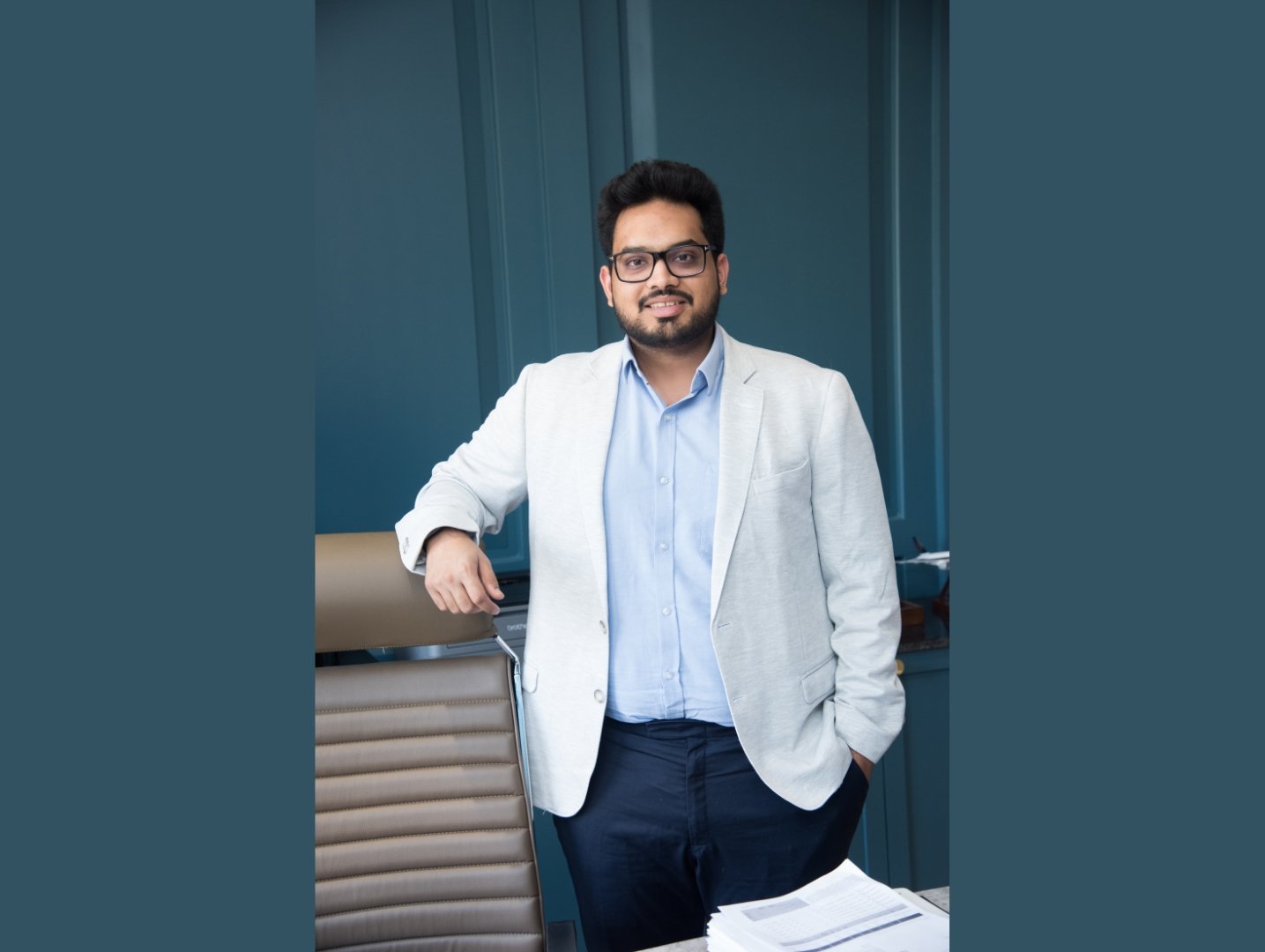
Abhyuday Jindal, MD of Jindal Stainless, advocates for protection measures against low-cost imports and a unique approach to increase domestic stainless steel manufacturing.
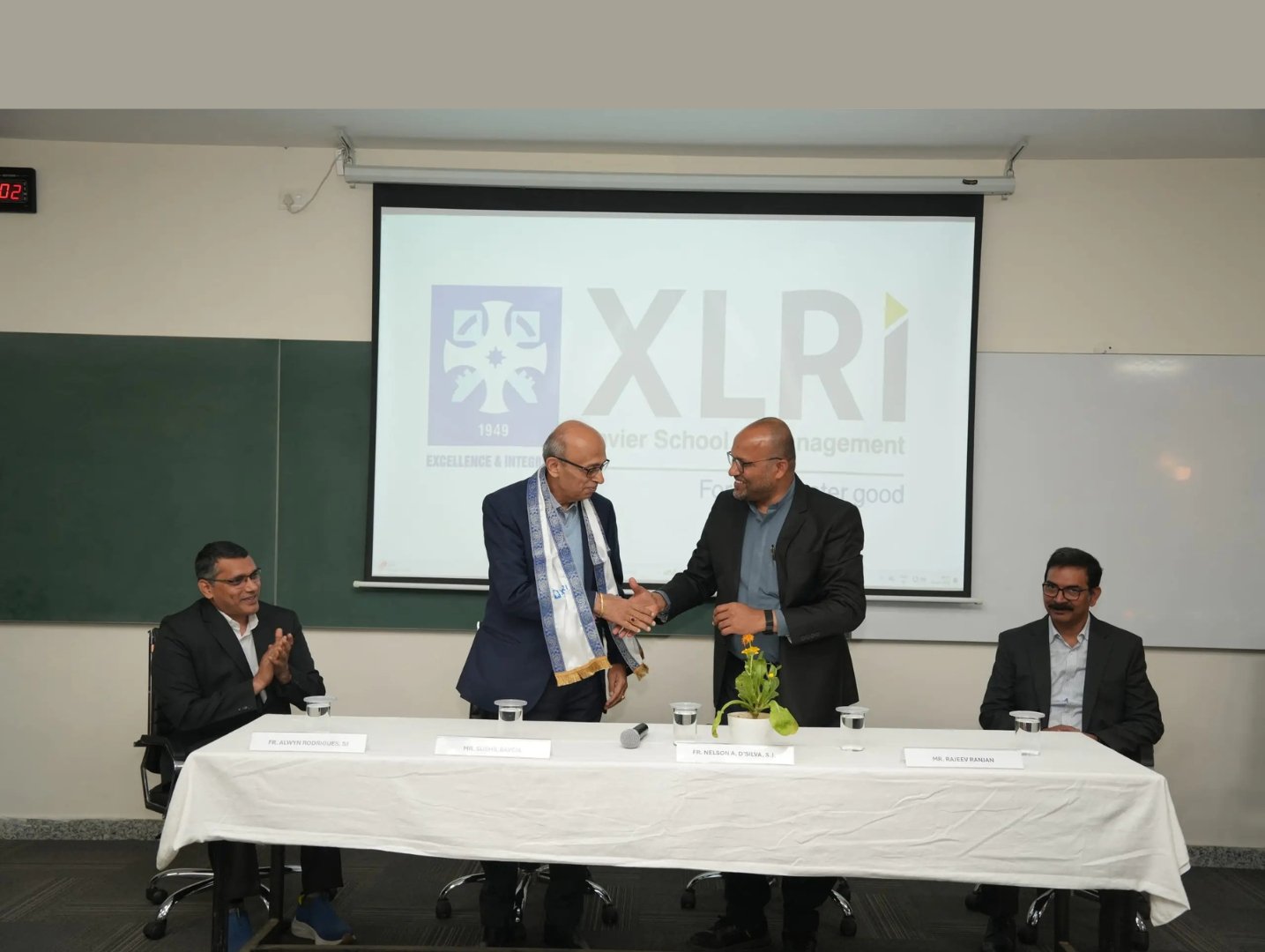
Concerned about growing imports, the Indian stainless steel sector has called on the government to put protective measures in place to protect homegrown producers. Abhyuday Jindal, the managing director of Jindal Stainless and president of the Indian Chamber of Commerce, stressed the need for stricter protectionist laws to stop low-cost stainless steel imports from speaking at a Chamber-hosted event in New Delhi and threatening the Indian market.
Even countries like the US and Europe have introduced protectionist steps Remarkably, nations with low levels of domestic production, such as those in Canada and the Middle East, are also implementing similar policies, Jindal added.
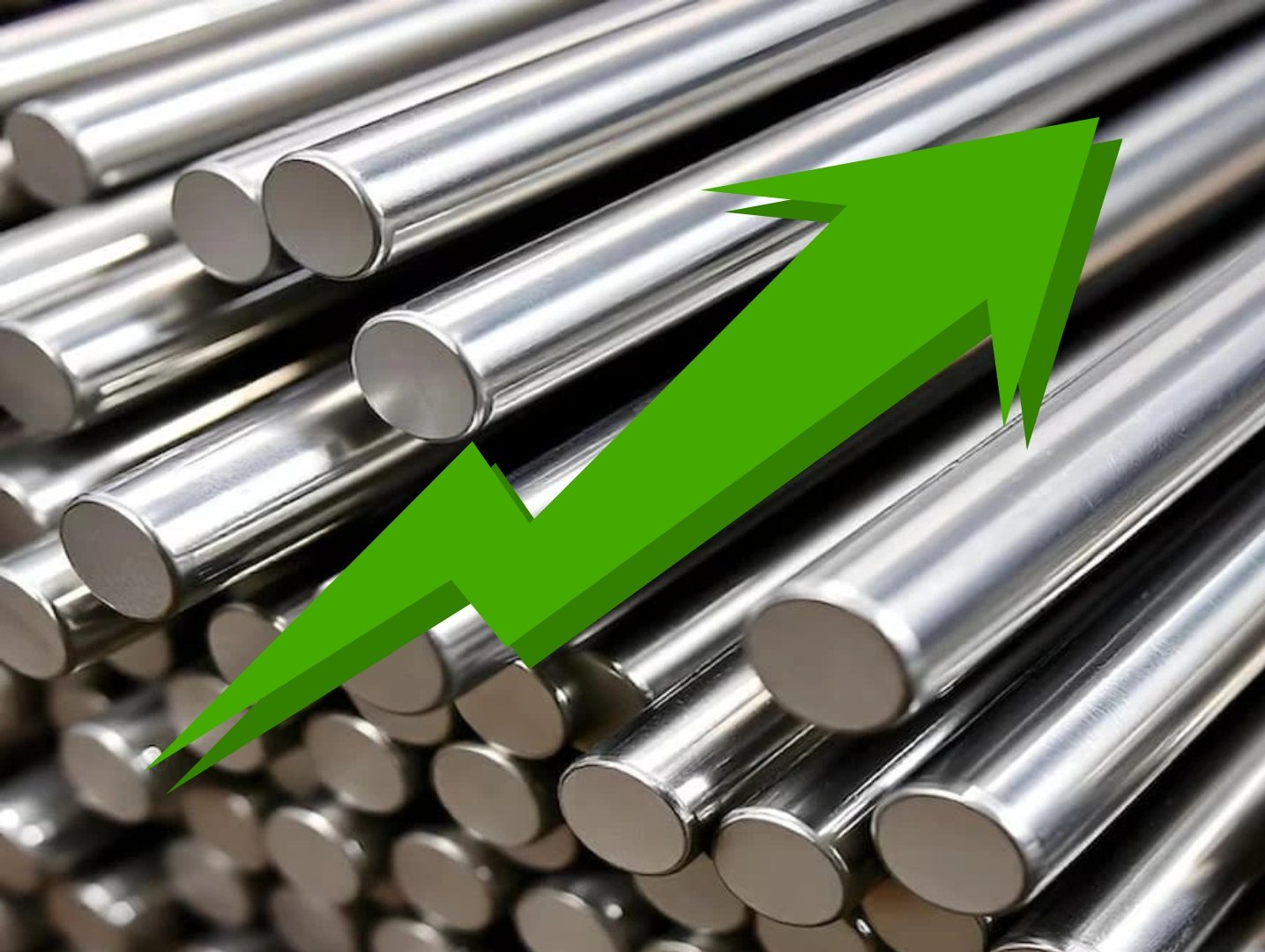
Only over 60% of the 7.5 million tonnes (MT) of established manufacturing capacity in India’s stainless steel industry is presently being used. Continued dependence on imports, which presently account for over 30% of domestic stainless steel usage, could discourage further investments in the industry, Jindal cautioned.
“Substandard Chinese material has been entering India via Vietnam, but our government is taking a strong stance. We have enough capacity to produce any grade or quality of stainless steel required,” he said, applauding recent government steps to check such inflows.
China, Indonesia, Vietnam, and South Korea were the major contributors to India’s stainless steel imports, which increased to 1.73 million tonnes in FY25, according to market research firm BigMint.
In order to guarantee improved classification and green certification, Jindal requested the government to implement a specialised taxonomy and a National Stainless Steel Policy in light of these advancements.
While a National Steel Policy was launched in 2017, and a taxonomy on green steel was unveiled in December 2024 by Union Steel Minister H.D. Kumaraswamy, who concentrated on CO₂ emissions during manufacturing—according to Jindal, the stainless steel industry needs its own growth strategy in order to remain competitive and sustainable.