JAS replaces plastic with stainless steel 304 water purifiers
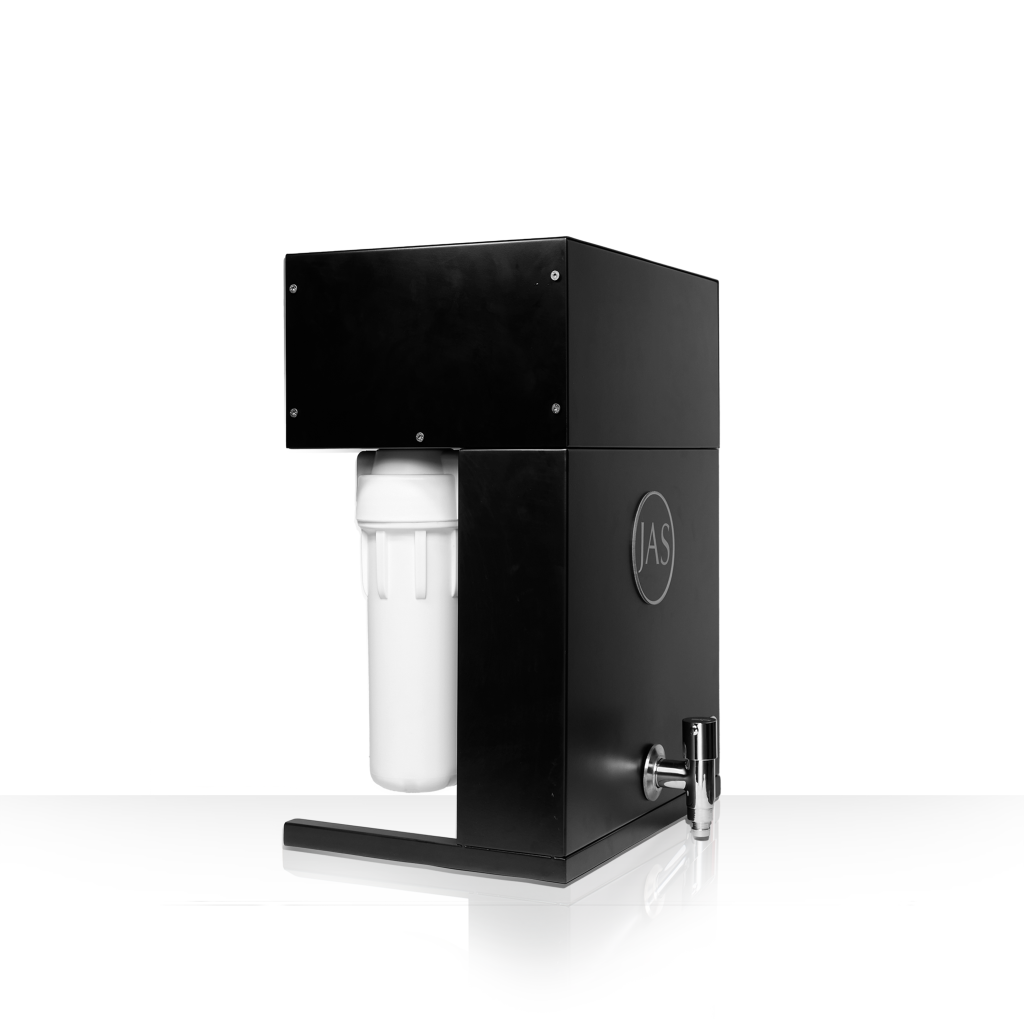
What if the biggest risk in drinking water systems is not the water, but the material it touches every day? Indian brand JAS is challenging plastic-heavy purification systems by introducing stainless steel 304 water purifiers designed for long-term health, durability and sustainability, aimed at both homes and commercial spaces.
Moving away from plastic in drinking water systems
JAS has entered the drinking water purifier segment with a clear focus on material safety. In a category where plastic is widely used for product bodies and internal components, the brand has chosen stainless steel 304 as the core material across its systems. This decision directly addresses rising concerns around microplastics, ageing plastic parts and the possible release of chemicals into drinking water over time.
The company has positioned its products as a response to long-standing questions about the safety and lifespan of plastic-based water purifiers. Plastic components, especially when exposed to constant water flow and pressure, can degrade, raising doubts about long-term reliability. By using food-grade, corrosion-resistant stainless steel 304, JAS aims to build safety into the product structure itself rather than treating it as an added feature.
According to the company, drinking water is a daily necessity that people depend on for years, not months. The use of stainless steel 304 supports consistent water quality while reducing direct contact between water and plastic surfaces. This approach reflects a broader shift in consumer awareness, where material choice is becoming as important as filtration technology.
Durability-led sustainability and low-maintenance design
Sustainability, as defined by JAS, is closely linked to durability. Instead of frequent replacements and short product life cycles, the brand focuses on creating systems that remain stable and functional over long periods. Stainless steel 304 offers structural strength and resistance to corrosion, helping reduce waste generated by discarded plastic units.
The company has stated that long-lasting products are a more practical route to sustainability, particularly in everyday appliances. By limiting the need for repeated servicing and part replacements, JAS water purifiers are designed to lower both environmental impact and long-term ownership costs.
Maintenance has been kept intentionally simple. The systems follow a low-maintenance philosophy, making them suitable for continuous use environments where downtime is not an option. This includes offices, gyms, wellness centres, community spaces and other shared settings, alongside residential use. The brand highlights that reliability and ease of upkeep are critical factors for commercial and semi-commercial users.
Premium positioning for homes and professional spaces
JAS water purifiers are positioned in the premium segment, with the brand clearly stating that it does not aim to compete on short-term pricing. Instead, the focus is on long-term value through durability, consistent performance and reduced maintenance needs. The company believes that these factors justify the investment over time.
Design has also been treated as a functional element. The purifiers follow a minimal and practical design language intended to blend easily into modern interiors. Clean lines and a refined finish allow the systems to fit naturally into both personal and professional environments without appearing bulky or industrial.
As an Indian brand, JAS designs and manufactures its products keeping Indian water conditions and usage habits in mind. At the same time, it maintains high material standards by using stainless steel 304 across the product body. The company has indicated that this balance between local relevance and global material quality is central to its product strategy.
By combining material safety, durability, sustainability and thoughtful design, JAS is seeking to change how water purifiers are viewed in the B2B and consumer space. Rather than short-lived appliances, the brand positions its systems as long-term partners in everyday health and responsible living, setting a new benchmark for material-led innovation in drinking water solutions.