India’s stainless steel tube industry grows amid global shifts
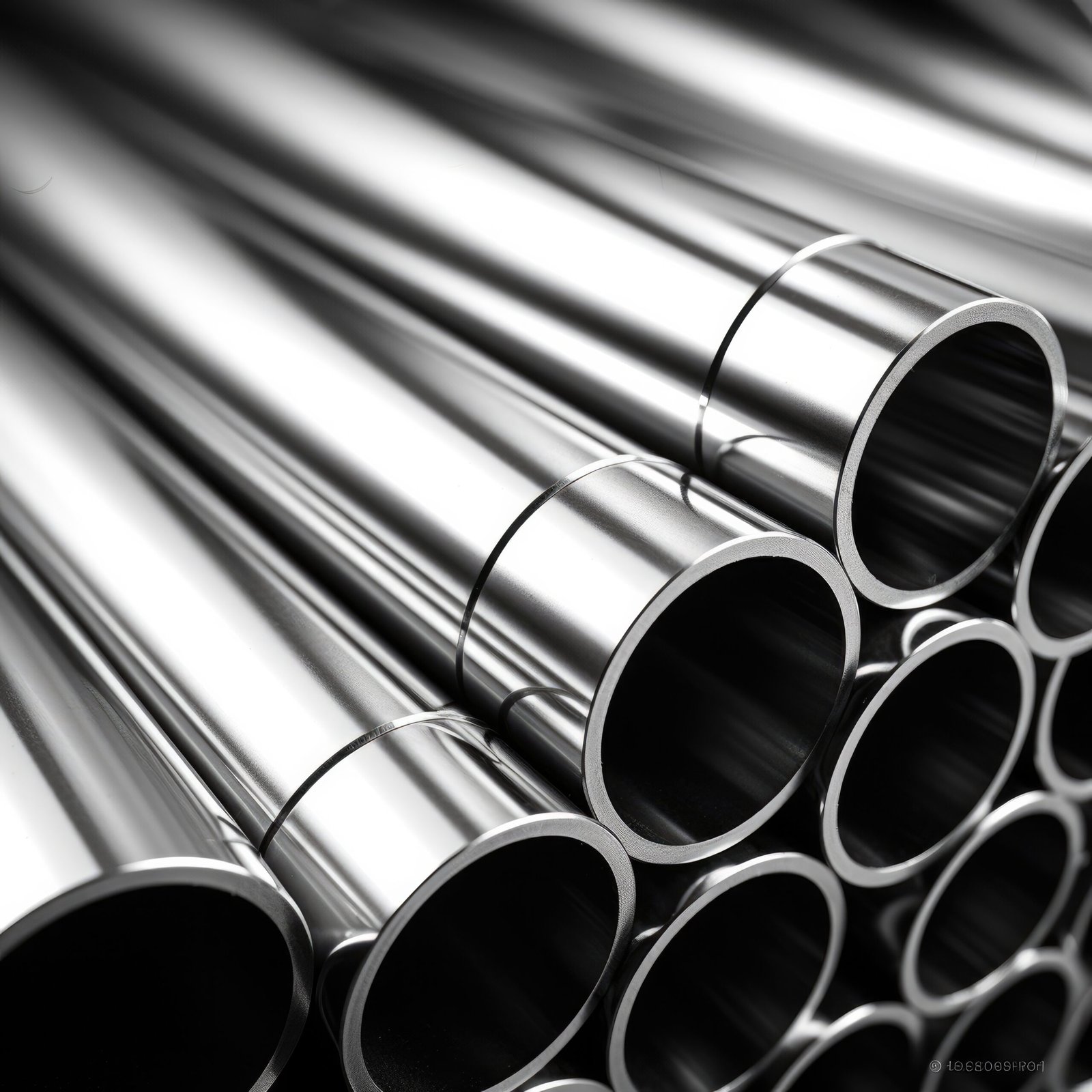
India’s stainless steel tube industry is quietly making its mark on the global stage. While China still dominates production, India is steadily expanding its capacity, especially in high-value seamless tubes. With rising domestic demand, export potential, and infrastructure projects, this sector is ready for structural growth that could last years rather than months.
Global stainless steel: Steady but shifting
The global stainless steel market is growing, but production and demand trends show interesting gaps. In 2023, world production reached around 58 million tonnes, up from 52 million in 2019. China alone produces nearly two-thirds of this total, making it the global price-setter.
Demand, however, is growing more slowly, from 44 million tonnes in 2019 to 47 million in 2023, and it is expected to reach around 60 million tonnes by 2028. Much of this growth comes from infrastructure projects, energy transitions, and process industries. For high-value products like stainless steel tubes and seamless pipes, opportunities are particularly strong.
Stainless steel tubes: A small segment with big value
Stainless steel tubes, though a niche, are crucial in industries such as oil and gas, petrochemicals, food processing, and pharmaceuticals. The global demand for tubes grew from 2.7 million tonnes in 2019 to 3.1 million tonnes in 2023, slightly faster than overall stainless steel.
Seamless tubes, which are technically complex and high-margin, make up around 15 to 20 percent of this market, while welded tubes account for the rest. Global trade is concentrated, with China and Italy dominating exports. India already holds an 8 per cent share of seamless exports, a significant achievement given its smaller production base.
India’s growing stainless steel industry
India is in a high-growth phase. Domestic production jumped from 2.3 million tonnes in 2020 to 3.3 million tonnes in 2024, growing three times faster than the global average. Key drivers include infrastructure development, metro and railway projects, water and sanitation initiatives, refinery expansions, and growth in chemicals and pharmaceuticals.
Domestic stainless steel demand is expected to grow at 7 to 9 per cent annually, reaching about 5.3 to 5.5 million tonnes by 2029. This structural growth is stronger than global averages and offers a reliable foundation for the tube segment.
Pipes and tubes: Meeting demand and export potential
India’s stainless steel tube production is growing steadily but faces structural shortfalls, particularly in seamless tubes. In 2024, tube production reached around 0.32 million tonnes, up from 0.23 million in 2020. The segment mix includes 65 per cent welded tubes and 35 per cent seamless tubes.
Regional demand is concentrated in western and southern India, while projected demand for 2029 is 0.45–0.47 million tonnes. This shortfall presents opportunities for organised players to grow domestic sales and expand exports.
Imports are declining, especially for seamless tubes, while exports have made India a net exporter since 2022. Despite temporary slowdowns due to European market conditions and freight costs, India remains globally competitive.
Why growth is structural, not cyclical
Several long-term factors are supporting India’s stainless steel tube industry:
- Energy transition: Hydrogen pipelines, LNG terminals, and renewable energy projects require corrosion-resistant tubes.
- Oil and gas expansion: Middle East and US projects are boosting demand for specialised tubes.
- Process industries: Pharmaceuticals, specialty chemicals, and food processing are expanding, needing high-quality tubes.
- Water infrastructure: Desalination plants and sanitation projects rely on durable stainless steel pipes.
Unlike commodity steel, tubes are application-specific, with customer approvals, certifications, and long replacement cycles. Once installed in projects, orders are often repeatable, supporting steady revenue growth.
Capacity expansion: Key to earnings growth
Expanding production, especially in seamless tubes, brings multiple advantages:
- Spreads fixed costs and improves profit margins.
- Increases export share and geographic diversification.
- Strengthens pricing discipline and operating leverage.
- Supports better returns on capital and sustainable growth.
With India already holding 8 per cent of global seamless tube exports, timely capacity expansion can further enhance earnings. Companies focusing on high-value segments, maintaining quality standards, and managing working capital efficiently are likely to benefit the most.
Opportunities and cautions
India’s stainless steel tube industry is structurally positive. With domestic demand growing faster than the global average and export opportunities expanding, the sector has strong potential.
However, some factors require attention:
- Global price fluctuations, particularly if China increases exports aggressively.
- Nickel price volatility, which influences stainless steel costs.
- Economic slowdowns in key export markets like Europe and the US.
- Energy and currency fluctuations affecting production and exports.
Even so, the outlook for seamless tubes is particularly promising, offering high margins and long-term structural growth rather than short-term gains.
Future outlook
India is steadily carving a niche in the global stainless steel tube market. Structural domestic demand, rising exports, and targeted capacity expansions make the sector a strong long-term growth story. For companies and investors focusing on high-value seamless tubes, the next few years could offer sustained growth and improved profitability.