India’s Stainless Steel Sector Sees Demand-Output Gap
India’s stainless steel industry is seeing strong demand from infrastructure projects, yet production levels have not fully caught up. Why is this happening when the need for steel is clearly rising? Industry insights suggest that market dynamics and import trends are shaping how much domestic capacity is actually being used.
Growing demand meets evolving market conditions
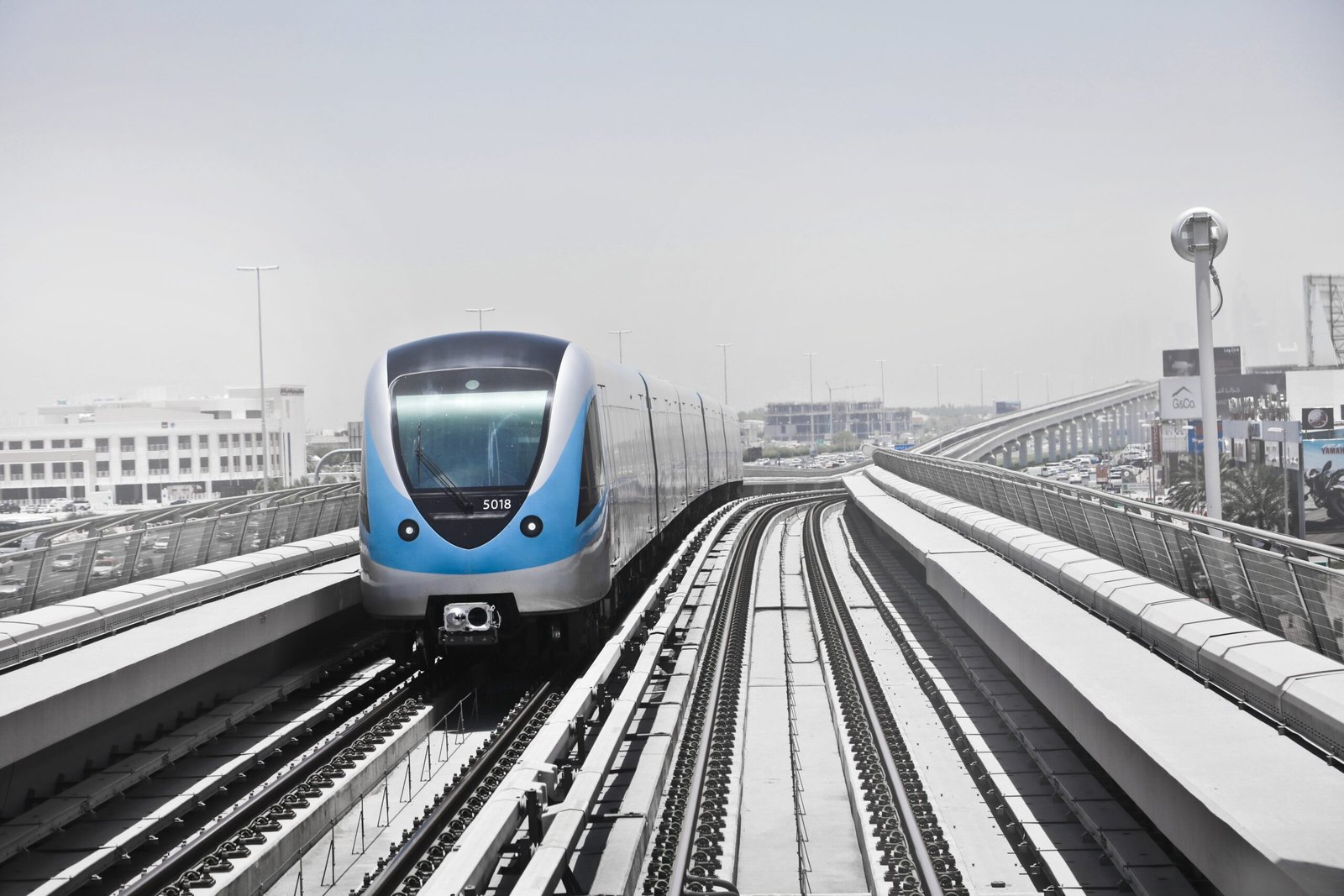
According to the Indian Stainless Steel Development Association, infrastructure development across India continues to drive steady demand for stainless steel. However, capacity utilisation in domestic plants still has room to grow.
This is largely linked to the presence of competitively priced imports, including lower-grade materials, which often find their way into the market. While domestic producers focus on high-quality output that meets global standards, pricing differences can influence buying decisions in the short term.
Industry perspectives suggest that the sector’s overall health should be viewed through long-term structural strength rather than just current production levels. Even advanced facilities capable of producing world-class steel are operating below their full potential, not due to lack of demand, but due to how the market is currently structured.
Another important factor is the continued reliance on imported raw materials. Stainless steel is fully recyclable and retains value through scrap, and there is growing recognition that strengthening India’s scrap ecosystem could improve self-reliance while supporting sustainability and efficient resource use.
Policies and procurement shaping future growth
Public procurement practices also play a key role in shaping demand patterns. The widely used lowest-cost tendering system focuses on upfront savings, which can sometimes overshadow long-term durability and performance.
Experts suggest that adopting life-cycle cost analysis could help balance this approach. By considering how materials perform over time, such a shift could support better infrastructure outcomes and encourage the use of high-quality domestic products.
At the same time, policy measures are gradually improving market conditions. Quality control orders have helped ensure that imported materials meet necessary safety and performance standards, reducing the entry of substandard products. Trade measures such as anti-dumping and safeguard duties have also offered support to domestic producers.
While there is still scope to strengthen implementation, these steps are seen as positive moves towards creating a more balanced and fair marketplace where quality and performance are recognised alongside price.
Supply focus and new global opportunities
Looking ahead, securing key raw materials like ferro-chrome remains an important priority. Global changes in energy and logistics have highlighted the need for a more resilient supply chain. Industry suggestions include boosting domestic processing, using renewable energy to manage costs, and building strategic reserves.
Export markets are also evolving. Changes in trade policies in regions such as the European Union have altered opportunities, with new tariffs and environmental measures influencing competitiveness.
At the same time, India’s expanding infrastructure pipeline offers a strong domestic base for growth. In addition, emerging markets in the Middle East, Southeast Asia and Africa present promising avenues for expansion.
Overall, the sector is moving towards a more sustainable and balanced future, with greater use of recycled materials, cleaner production methods, and supportive policies expected to strengthen long-term growth.