India Restores BIS Certification for Taiwanese Steel to Ease Supply Crunch
Iron
India has restored the Bureau of Indian Standards (BIS) certification process for Taiwanese stainless steel and steel products. The decision aims to clear long-standing supply bottlenecks and bring relief to domestic manufacturers struggling with persistent raw material shortages.
The Ministry of Steel announced on 22 September 2025 that BIS certification examinations for Taiwanese mills will now resume under a shorter and more efficient approval system. India currently requires BIS certification for 151 steel products under its Quality Control Orders (QCOs). These include stainless steel flats, hot-rolled coils, and cold-rolled coils used widely across industries.
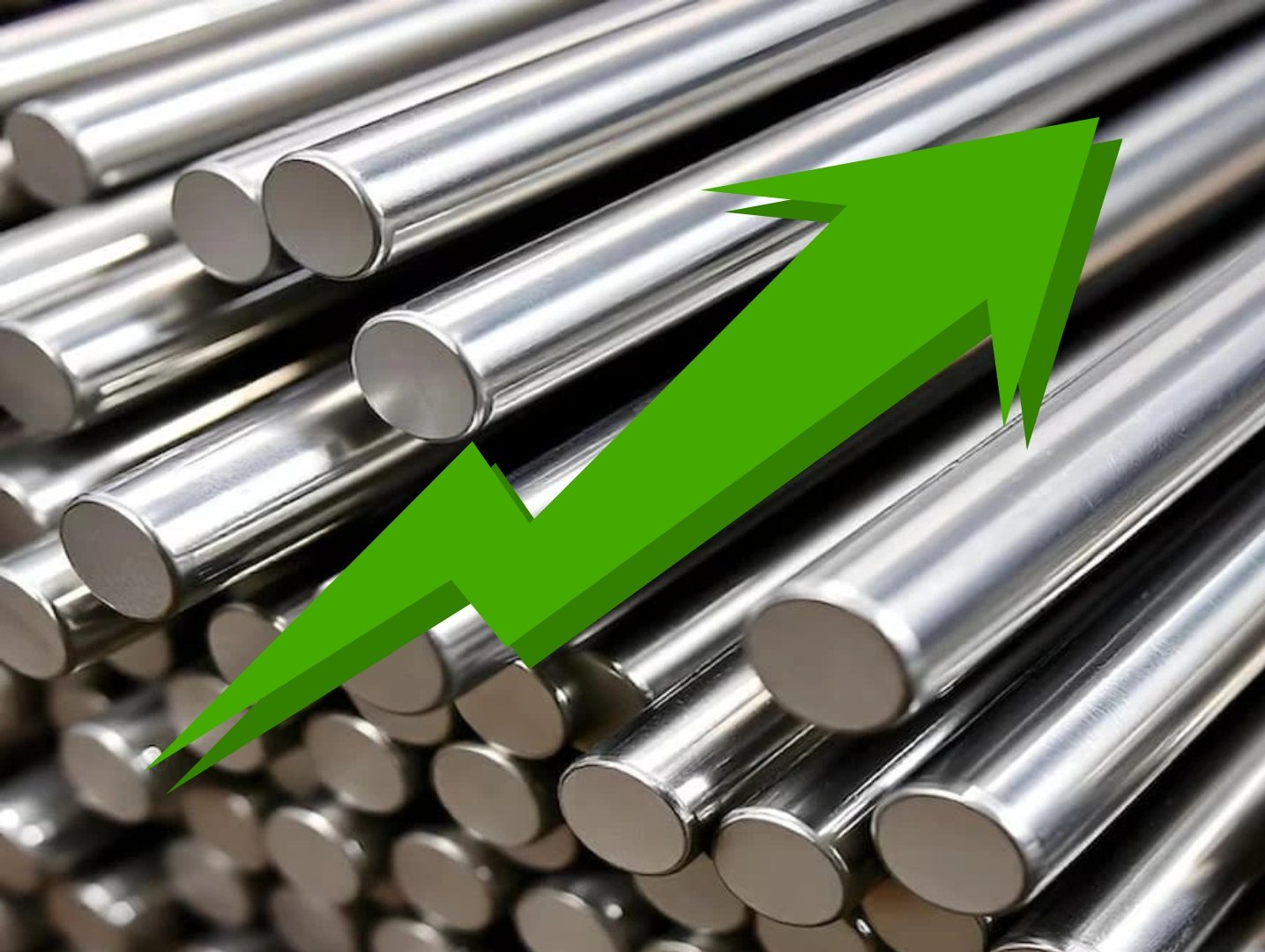
However, lengthy inspection procedures and complicated overseas factory audits had earlier delayed approvals. As a result, Indian importers faced severe disruptions that slowed production and raised costs significantly. Since July 2025, leading Taiwanese mills such as Yusco, Tang Eng, and Walsin Lihwa have struggled to obtain timely certification, tightening supply and pushing prices upward.
Due to the certification backlog, importers paid higher freight and handling charges to meet urgent requirements. Many small and medium-sized enterprises (SMEs) that rely on imported stainless steel faced rising input costs and irregular deliveries. Consequently, their production schedules suffered, and some infrastructure projects experienced delays and financial strain.
With the restoration of the BIS certification process, the government aims to ease these challenges and ensure smoother trade flows. The shorter approval timeline will enable faster clearances for compliant Taiwanese manufacturers. As a result, stainless steel inflows from Taiwan are likely to stabilise, improving raw material availability and lowering costs for end-users.
Industry experts have welcomed the decision as a timely and practical move to restore confidence in the supply chain. They expect it to strengthen India’s manufacturing and infrastructure sectors while reducing dependence on limited domestic supply. Moreover, smoother imports could help moderate market prices and promote long-term competitiveness within the Indian steel industry.