How Stainless Steel Quietly Powers Chip Production
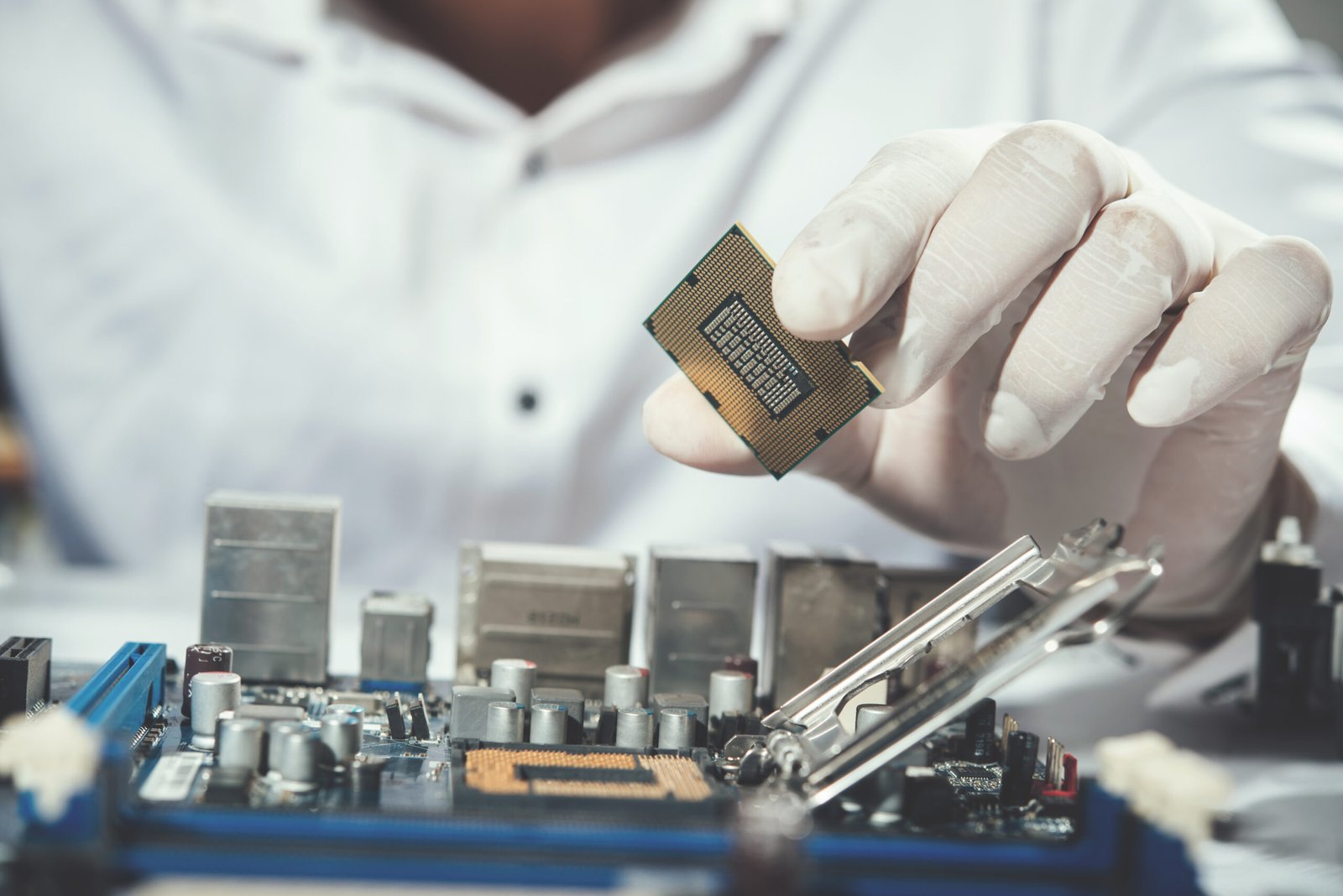
Stainless steel plays a quiet but essential role in the semiconductor industry, supporting the equipment and systems that make modern chips possible. From cleanrooms to chemical handling systems, its strength, corrosion resistance, and cleanliness help maintain precision. In India’s growing semiconductor sector, it is becoming increasingly important for reliable and safe manufacturing.
A strong material behind a complex industry
Stainless steel is often not the first material people think of when they imagine semiconductor chips. Yet, it is everywhere in the background. The semiconductor industry depends on highly controlled environments, where even the smallest impurity can ruin a batch of chips. This is where stainless steel quietly proves its value.
The industry relies on materials that can handle aggressive chemicals, high temperatures, and strict cleanliness standards. Stainless steel offers all of this. It is used in systems that carry gases and liquids, in structural components, and in equipment that must stay clean and stable over long periods. Without it, maintaining the precise conditions needed for chip production would be much more difficult.
In India, where semiconductor manufacturing is being actively developed, stainless steel is already becoming a key material in new fabrication plants and support infrastructure. As the country works towards becoming a global semiconductor hub, reliable materials like stainless steel will play an important role.
Key properties that make stainless steel suitable
The usefulness of stainless steel comes from its composition and natural properties. It is an alloy mainly made from iron and chromium, with added elements such as nickel and molybdenum. These additions give it strength and protect it from rust and chemical damage.
One of the most important qualities is its resistance to corrosion. Semiconductor manufacturing often involves strong acids, gases, and cleaning agents. Stainless steel can withstand these harsh conditions without breaking down easily. This ensures that equipment lasts longer and performs consistently.
Another important feature is its smooth, non-porous surface. This helps prevent particles and contaminants from sticking to it. In semiconductor production, even microscopic dust or residue can cause defects in chips. Stainless steel helps maintain the ultra-clean environments required.
It is also strong and durable, meaning it can support heavy equipment and high-pressure systems without deforming. At the same time, it is flexible enough to be shaped into pipes, tanks, and complex machinery parts.
In addition, stainless steel can handle high and low temperatures. This is important in processes where materials are heated, cooled, or exposed to temperature changes during chip manufacturing.
Stainless steel in semiconductor equipment and systems
Although stainless steel does not directly create chips, it is heavily used in the systems that make chip production possible. One of the most important uses is in vacuum chambers. These chambers are essential because semiconductor processes must occur in controlled environments without air or contaminants. Stainless steel provides a strong and sealed structure for these chambers.
It is also used in piping systems that transport gases and liquids. These substances are often highly reactive or toxic, so the pipes must be resistant to corrosion and leaks. Stainless steel ensures that these materials move safely and efficiently through the system.
Heat exchangers are another key application. These devices help manage temperature during manufacturing processes. Stainless steel is ideal for this because it can transfer heat effectively while resisting corrosion over time.
Valves and fittings used in gas and liquid control systems are also made from stainless steel. These components must be precise and reliable, as they control the flow of materials used in delicate processes.
In India, as semiconductor plants are being planned and built, there is an increasing demand for high-quality stainless steel components. Local manufacturing and global partnerships are helping meet this demand, supporting both infrastructure and industrial growth.
Different grades and their uses in the industry
Not all stainless steel is the same. Different grades are used depending on the level of performance required. In the semiconductor industry, three common grades are 304, 316, and 316L.
Grade 304 stainless steel is widely used for general purposes. It offers good corrosion resistance and is relatively cost-effective. In semiconductor facilities, it is often used for structural parts, storage cabinets, and less critical components where extreme resistance is not required.
Grade 316 stainless steel is more advanced. It includes an element called molybdenum, which improves its resistance to corrosion, especially in environments with chemicals like chlorides. This makes it suitable for chemical processing systems and equipment that comes into contact with aggressive substances.
Grade 316L is a low-carbon version of 316. The lower carbon content reduces the risk of corrosion after welding, which is very important in semiconductor manufacturing. This grade is often used in vacuum systems, cleanroom equipment, and fluid transport systems where purity and reliability are critical.
There are also specially developed versions of stainless steel designed for ultra-high purity environments. These materials are refined to reduce impurities even further, ensuring the highest level of performance.
Benefits in cleanrooms and manufacturing environments
Cleanrooms are a vital part of semiconductor manufacturing. These are highly controlled environments where temperature, humidity, and particle levels are tightly managed. Stainless steel is commonly used in cleanrooms because it does not release particles easily and can be cleaned without damage.
Its smooth surface makes it easier to maintain cleanliness. Unlike some other materials, stainless steel does not trap dust or absorb chemicals. This reduces the risk of contamination, which is essential for producing high-quality chips.
Another advantage is its ability to withstand frequent cleaning with strong chemicals. Cleanroom equipment must be cleaned regularly, and stainless steel can handle these processes without losing its strength or appearance.
Its durability also means less frequent replacement of equipment. This is important in large manufacturing plants, where downtime can be costly. Using stainless steel helps maintain continuous production and reduces maintenance needs.
In India, where semiconductor manufacturing is growing, cleanroom standards are being carefully developed. Stainless steel plays an important role in helping meet these international standards and ensuring that Indian facilities can compete globally.
The growing role of stainless steel in India’s semiconductor future
India is investing heavily in semiconductor manufacturing to reduce reliance on imports and strengthen its technology sector. This growth brings new opportunities for materials like stainless steel.
New fabrication plants, assembly units, and research centres are being developed across the country. These facilities require high-quality materials that meet strict international standards. Stainless steel is a natural choice due to its reliability and availability.
Indian industries are also working to improve the local production of specialised stainless steel products. This helps reduce costs and supports the country’s goal of becoming self-reliant in critical industries. At the same time, global companies are partnering with Indian manufacturers to supply advanced materials and equipment.
As the semiconductor industry in India continues to expand, the demand for stainless steel will increase. Its role may not always be visible, but it remains essential in building the infrastructure that supports chip production.
In simple terms, stainless steel is the silent partner behind modern semiconductor technology. It may not create the chips themselves, but it helps ensure that every step of the process happens smoothly, safely, and with precision.
Looking ahead
Stainless steel continues to be a vital material in the semiconductor industry due to its strength, resistance to corrosion, and ability to maintain cleanliness. From equipment to cleanrooms, its role is widespread yet often unnoticed. As India advances in semiconductor manufacturing, stainless steel will remain a key part of this journey, supporting growth, innovation, and global competitiveness.