Govt Launches Third Round of PLI Scheme to Boost Stainless Steel and Specialty Steel Production
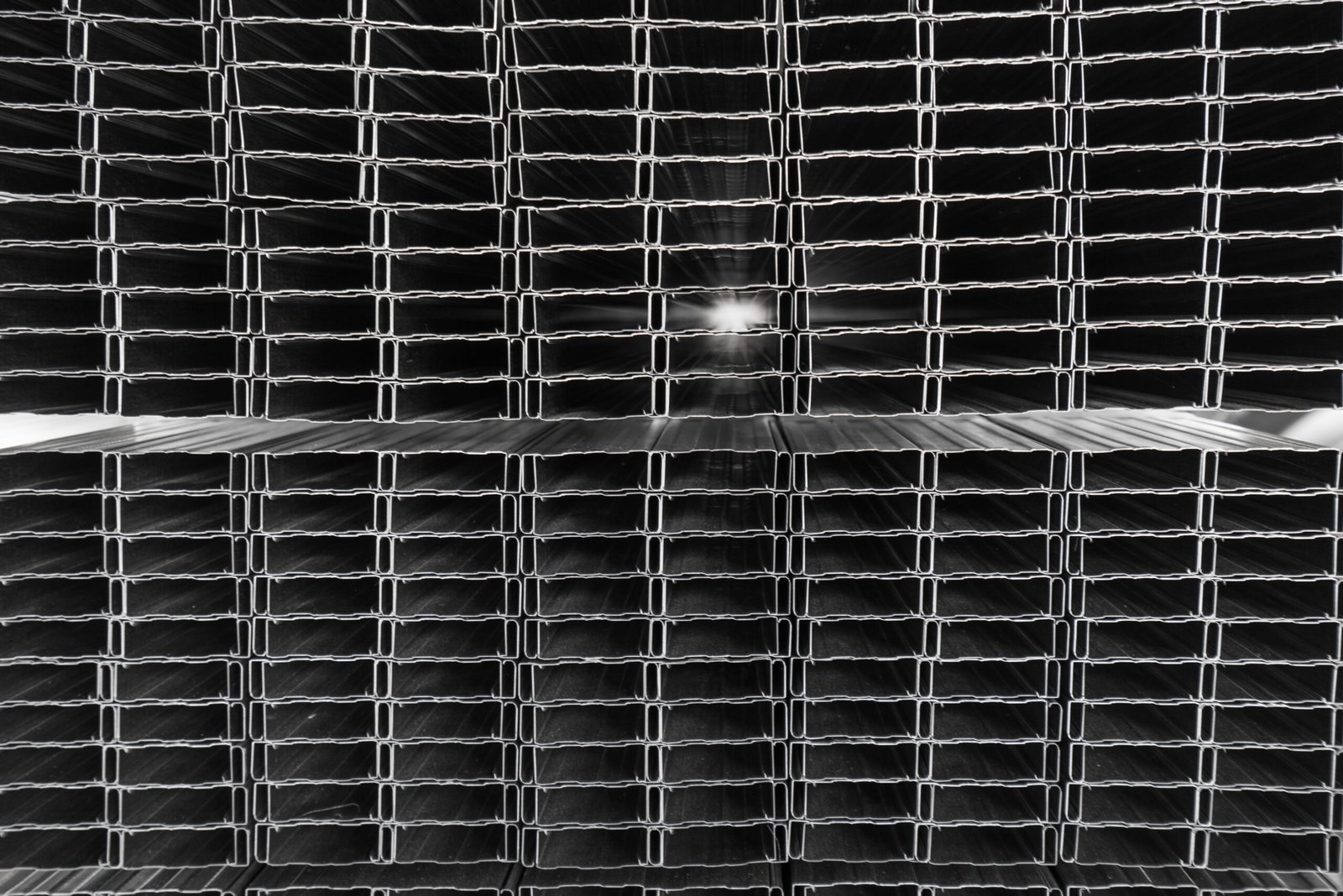
Close-up of the texture of stainless steel.
The government launched the third round of the Production-Linked Incentive (PLI) scheme for Specialty Steel on Tuesday. It also aims to accelerate stainless steel production and promote domestic manufacturing under the Aatmanirbhar Bharat vision. Union Minister H.D. Kumaraswamy led the launch along with senior officials and industry representatives, the Ministry of Steel said.
The PLI scheme, approved by the Union Cabinet in July 2021, carries an outlay of Rs 6,322 crore. It focuses on developing India as a global centre for advanced and high-value steel products. Stainless steel remains a priority segment due to its expanding role in construction, transportation, and consumer goods. Moreover, the government wants to boost high-end stainless steel grades that currently depend on imports.
So far, the PLI scheme has attracted committed investments worth Rs 43,874 crore. Companies have already invested Rs 22,973 crore and created more than 13,000 jobs during the first two rounds. The third phase is expected to draw further investments from stainless steel manufacturers and strengthen India’s value-added steel ecosystem.
The scheme covers 22 product sub-categories, including stainless steel (long and flat), coated steels, CRGO, super alloys, and titanium alloys. Incentive rates range between 4 per cent and 15 per cent. These will apply for five years starting in FY 2025-26, while disbursals will begin in FY 2026-27. The government has also updated the base year for pricing to FY 2024-25 to match market conditions.
The initiative encourages producers to expand stainless steel capacity and invest in modern technology. It aims to reduce dependence on imports and promote innovation in areas such as renewable energy, infrastructure, and defence manufacturing. Furthermore, it supports local industries in meeting global quality standards.
Domestic stainless steel demand grew by around 11 per cent in FY 2023-24. It rose from 4.02 million tonnes to 4.46 million tonnes, while production capacity stood at about 6.8 million tonnes. Demand is expected to reach 4.8 million tonnes in FY 2025, growing 7-8 per cent annually. Continuous urbanisation, infrastructure expansion, and industrial development are driving this momentum.