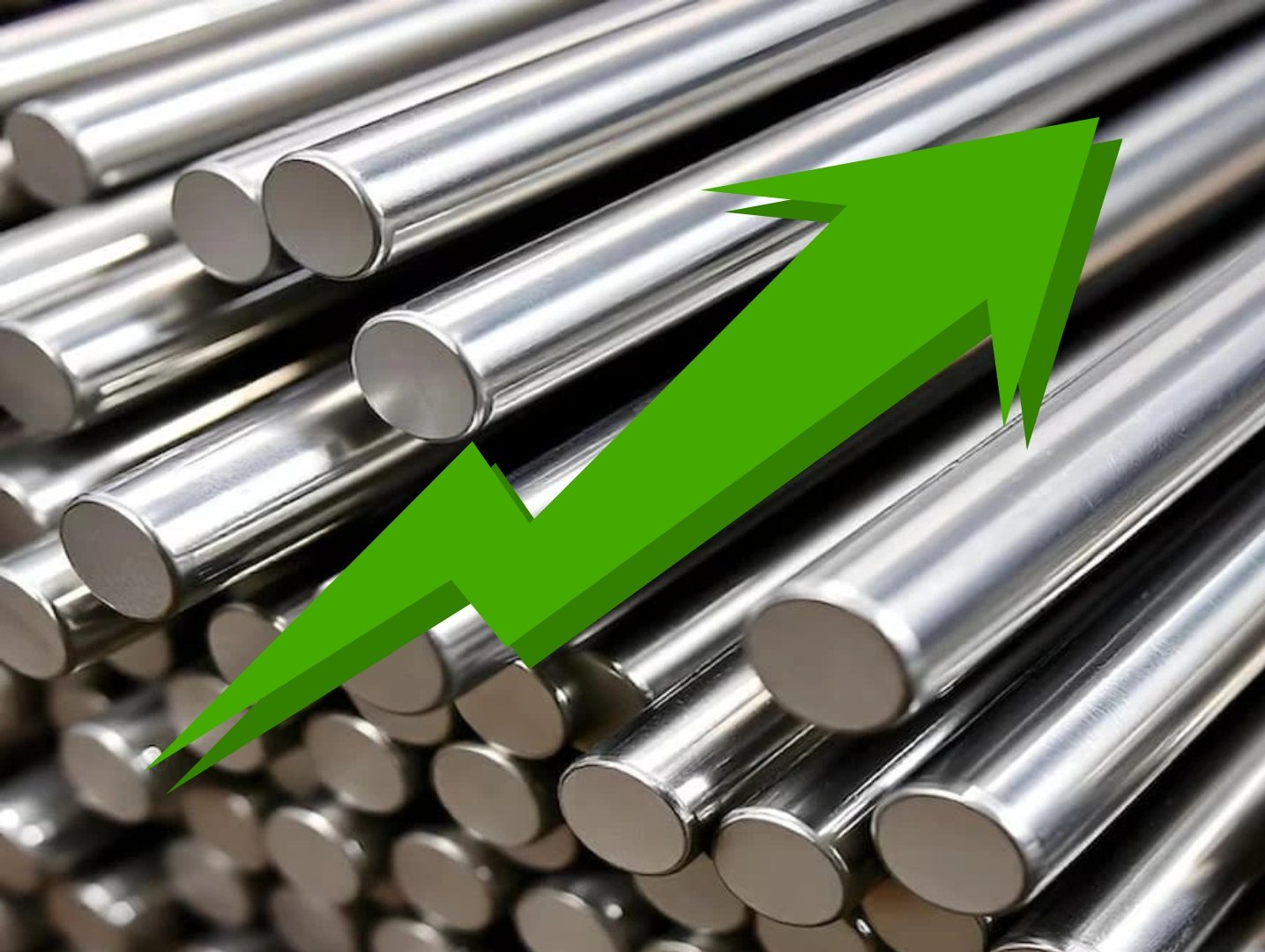
Global Stainless Steel Pipes and Tubes Market Sees Steady Growth
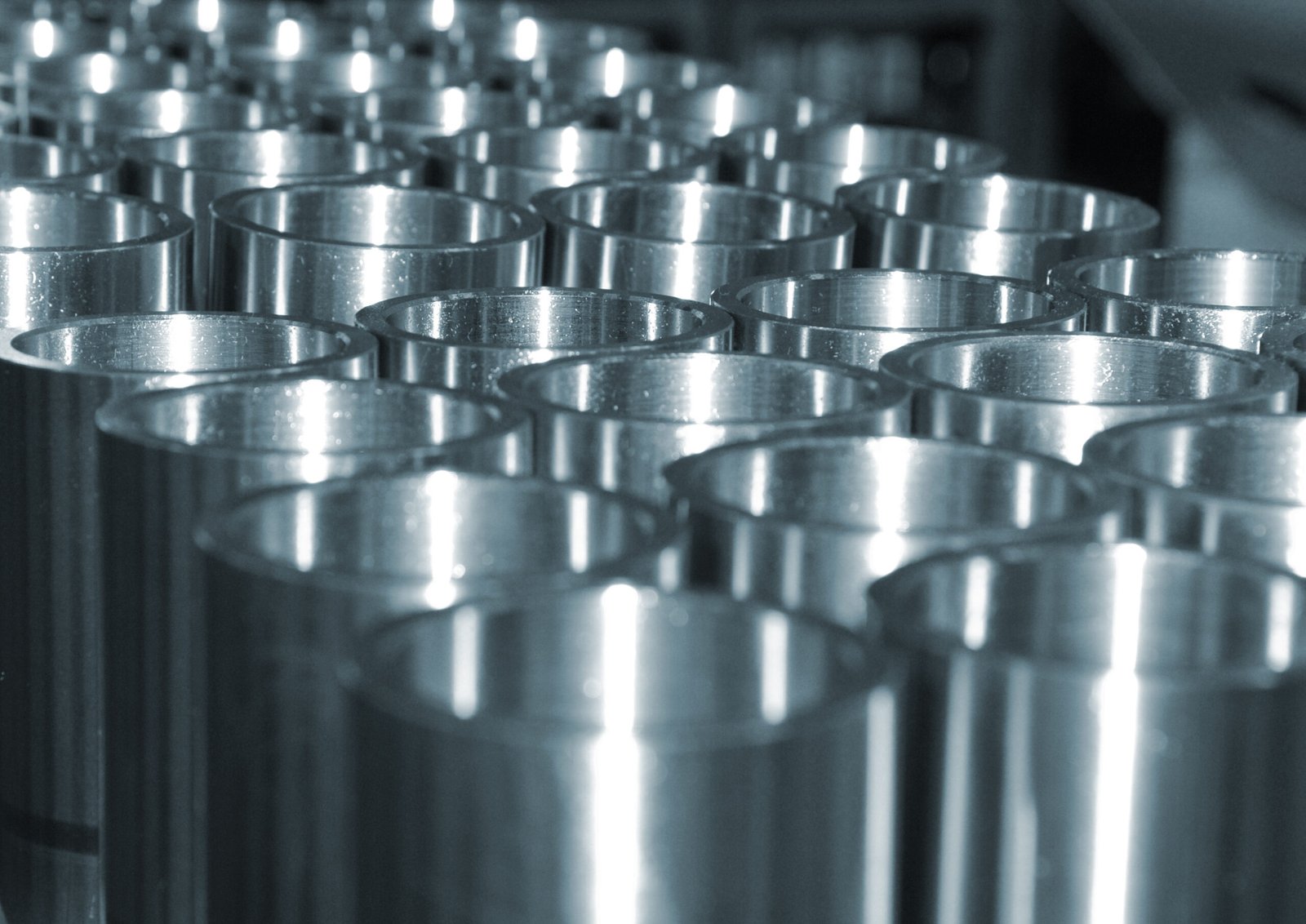
According to The Insight Partners, the global stainless steel pipes and tubes market is set to grow at around 4.5-4.8 per cent CAGR through 2030-2033. Strong demand from construction, energy, automotive and process industries boosts this growth. Asia-Pacific continues to lead both production and consumption.
The market stands at about US $34-35 billion in 2024-2025. Analysts expect it to touch nearly US $48-52 billion by 2030-2033. The seamless stainless segment will climb from US $6.25 billion in 2024 to US $9.5 billion in 2033. That reflects rising demand for corrosion-resistant piping in critical services.
Asia-Pacific holds the largest market share and also shows the fastest growth. Rapid infrastructure expansion and industrialisation boost demand in the region. North America still depends heavily on imports to meet requirements.
Infrastructure projects and construction pipelines fuel multi-year consumption. Stainless steel continues to gain favour in water systems and urban utilities because of its durability. Meanwhile, energy and process industries such as oil, gas, chemicals and food sustain steady usage. Renewables like solar and wind also create new applications for corrosion-resistant tubes.
Automotive players increasingly adopt stainless steel for exhaust, structural and fluid systems. The automotive stainless tube market will likely grow at about 4.5 per cent CAGR to 2030.
Price volatility in raw materials, especially nickel, creates cost pressures. Global economic uncertainty also weighs on project budgets. Competition from cheaper carbon steel limits stainless uptake in cost-sensitive areas.
However, advanced alloys such as duplex and super duplex open opportunities in harsher conditions. Precision manufacturing in seamless and welded tubes supports higher temperature performance. Sustainability goals encourage recycled stainless steel, cleaner processes and transparent supply chains.
High-purity tubing for pharmaceuticals, biotech and semiconductors grows at nearly five per cent CAGR to 2030. These industries require strict cleanliness and contamination control.
Global and Asian players continue to dominate the sector. Leading names include Sandvik, Nippon Steel, Tubacex, Jiuli Group, Wujin Stainless, Mannesmann Stainless Tubes, Walsin Lihwa, Tsingshan, Huadi Steel Group and JFE. The market stays moderately concentrated, with product innovation and acquisitions shaping competition.
Welded tubes remain cost-effective and widely used, while seamless tubes gain traction where safety and strength matter most. Construction, energy, chemicals, food and automotive lead demand. New opportunities appear in renewables and high-purity industries.
The outlook points to steady and sustained growth through 2030-2033. Upside may come from infrastructure stimulus and high-spec applications. Risks remain from input price spikes and global slowdowns. Companies will focus on alloy innovation, seamless capacity, sustainability and growth in Asia-Pacific.