Global Stainless Steel Forgings Market to Hit US $13.24 Billion by 2030
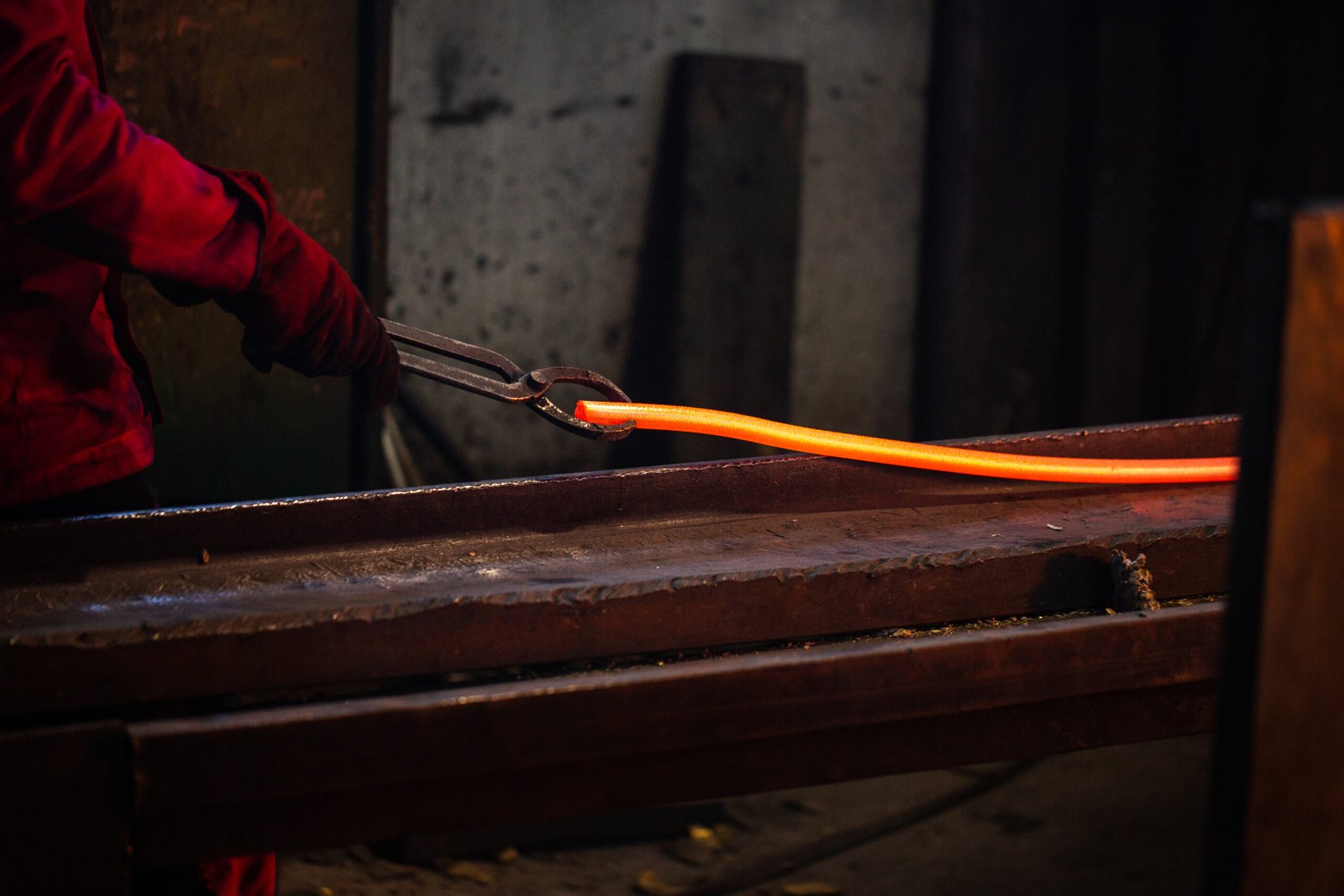
a person working with melted steel
According to Maximise Market Research, the global stainless steel forgings market will reach US $13.24 billion by 2030, growing at about four per cent CAGR from 2024 to 2030. It stood at US $10.03 billion in 2023.
Rising industrialisation in emerging economies is driving this growth. Moreover, demand for forged parts in automotive and aerospace is increasing steadily. Stainless steel forgings offer strength, durability, recyclability, and corrosion resistance, which makes them attractive across sectors.
Cold and hot forged parts made up nearly 85 per cent of total demand in 2023. However, castings are set to grow faster at a 4.6 per cent CAGR through 2030. In terms of application, industrial machinery and tools took the lead in 2023 with 34 per cent volume share. At the same time, the automotive sector will see strong revenue gains, while building and construction will log the fastest growth as governments spend more on infrastructure.
Asia-Pacific led in 2023 due to a strong base in China, India, Japan, and Southeast Asia. Foreign investments and government projects also added momentum. North America generated high revenues, supported by the aerospace and automotive sectors. Meanwhile, Europe, Latin America, and the Middle East and Africa are showing growing demand despite cost and regulatory hurdles.
Global demand for industrial equipment and vehicles is lifting the market outlook. Infrastructure growth and energy needs also support stainless steel usage. However, raw material volatility, particularly in nickel and iron ore, challenges producers. Lightweight alternatives in some industries create added pressure.
Leading companies include All Metals & Forge Group, Wichard, Ellwood Closed Die Group, ISGEC Heavy Engineering, Bourdon Forge, Tarunsika, Precision Castparts, Keystone Forging, Sintex, PSM Industries, Harsh Steel Trade, Forge Products, J & N Metal Products, Canada Forgings, Harihar Alloys, and Scot Forge. These firms focus on precision forging, cost optimisation, and R&D in sintered parts. Many are also exploring greener production processes to highlight the recyclability of stainless steel.