Global Automotive Stainless Steel Tube Market Set to Reach US $5.9 Billion by 2032

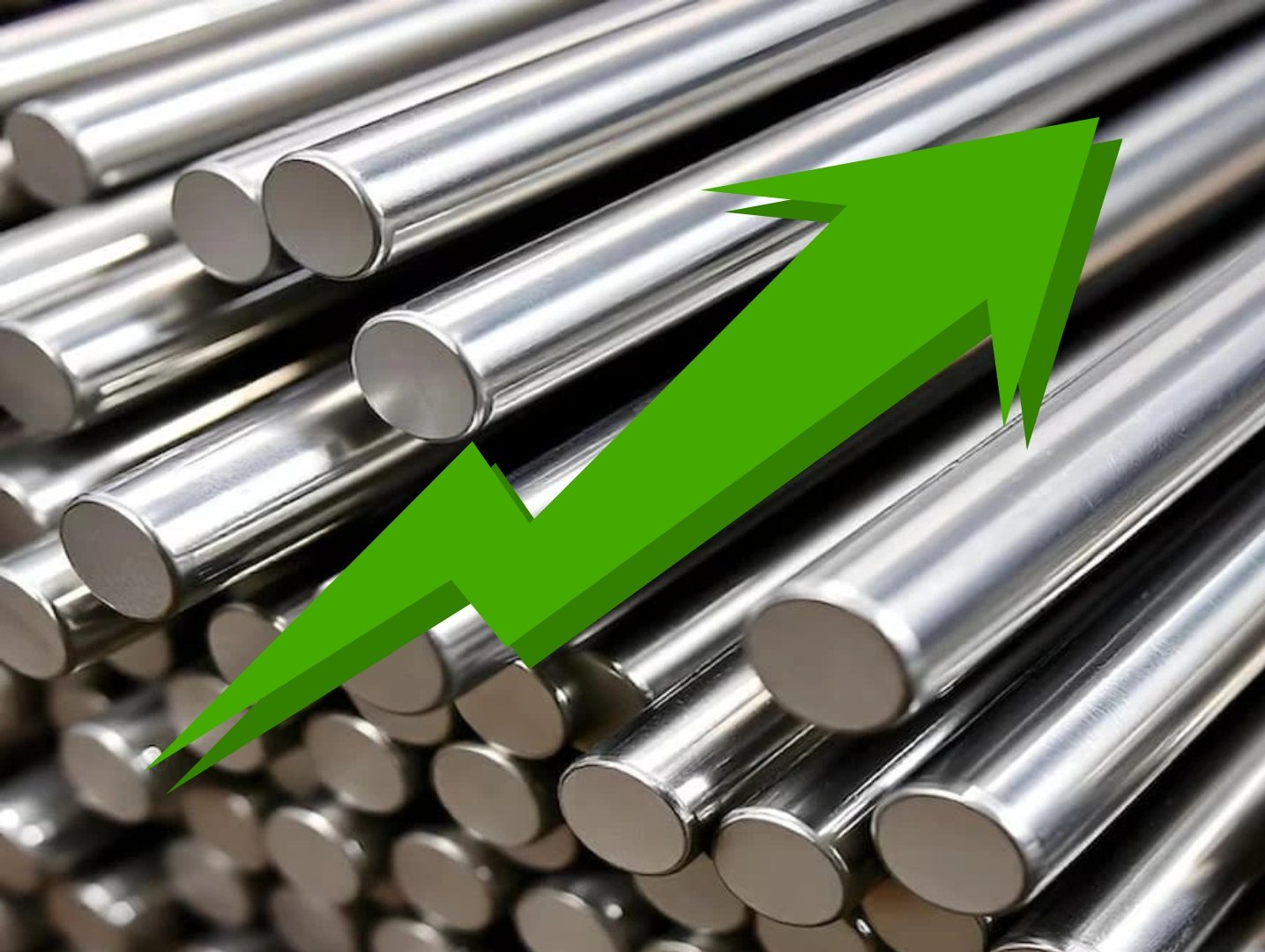
The global automotive stainless steel tube market is gaining momentum as the car industry transforms with stricter emission rules and higher demand for fuel efficiency. The market stood at US $4.2 billion in 2023 and will likely touch US $5.9 billion by 2032. This forecast shows a steady rise at a compound annual growth rate of 3.9 per cent between 2024 and 2032.
Automakers are also turning to advanced designs that need durable and versatile materials. Stainless steel tubing, used in exhausts, fuel lines, chassis parts, and structural supports, is becoming central to this shift. Its strength, corrosion resistance, and long life make it essential in building modern vehicles. Despite the rise of aluminium and composite materials, stainless steel continues to play a key role in automobile production.
Emission-control devices remain one of the strongest growth drivers as governments worldwide tighten norms. Manufacturers now rely on stainless steel tubes to handle the pressure and heat of exhaust systems while ensuring performance. Meanwhile, electric vehicles are creating fresh opportunities. Their need for structural parts, battery casings, and thermal management systems adds new demand for stainless steel tubing.
Safety rules and crashworthiness standards are also fostering market growth. Vehicle makers are increasingly using stainless steel tubing in frames, hydraulic lines, and brake systems to ensure reliability. In emerging economies such as India, China, and Brazil, rising automobile production further supports this trend.
The Asia-Pacific region leads the market, driven by booming auto production in China and India. North America also shows strong demand, thanks to strict regulatory frameworks and advanced factories. Europe is moving forward with tough emission standards and a rapid shift towards electric vehicles. Latin America and the Middle East are gradually catching up as their automotive sectors expand.
The road ahead looks promising. Stainless steel tubes will find more use in electric and hybrid cars, especially in structural modules and battery packs. Innovations in lightweight stainless steel alloys could also improve fuel efficiency. Manufacturers investing in advanced alloys and expanding across regions are set to benefit the most.
With the market expected to grow, stainless steel tubes will remain vital to the industry. They will continue to deliver strength, safety, and sustainability as the global automotive sector drives into a greener future.