EU to End Stainless Steel Duties on India, Indonesia in 2026
The European Commission (EU) has confirmed that anti-dumping duties on stainless steel cold-rolled flat products from India and Indonesia will expire on 19 November 2026. The measure, first imposed in June 2016, will end automatically unless European Union producers request an expiry review backed by evidence that unfair pricing or economic harm could continue.
Stainless steel is everywhere, yet rarely noticed. From hospital equipment and kitchen appliances to transport and renewable energy systems, it quietly supports daily life. So, what could change if a long-standing trade measure were to disappear for this critical industrial material?
A trade measure nearing its deadline
The duties were introduced almost a decade ago after European authorities determined that certain imports were being sold at prices considered unfairly low. Such practices, commonly referred to as dumping, can disrupt markets and place pressure on domestic manufacturers.
Under EU trade rules, these duties do not remain indefinitely. They carry a fixed lifespan and are removed unless producers argue for their continuation. In this case, EU stainless steel producers may prevent the expiry by filing a written request for an expiry review. To proceed, they must present convincing information suggesting that lifting the duties could result in continued dumping or economic injury.
Trade observers generally explain that this process is evidence-driven. A review is not guaranteed and depends on whether regulators see sufficient grounds to reassess the situation.
Why stainless steel draws close attention
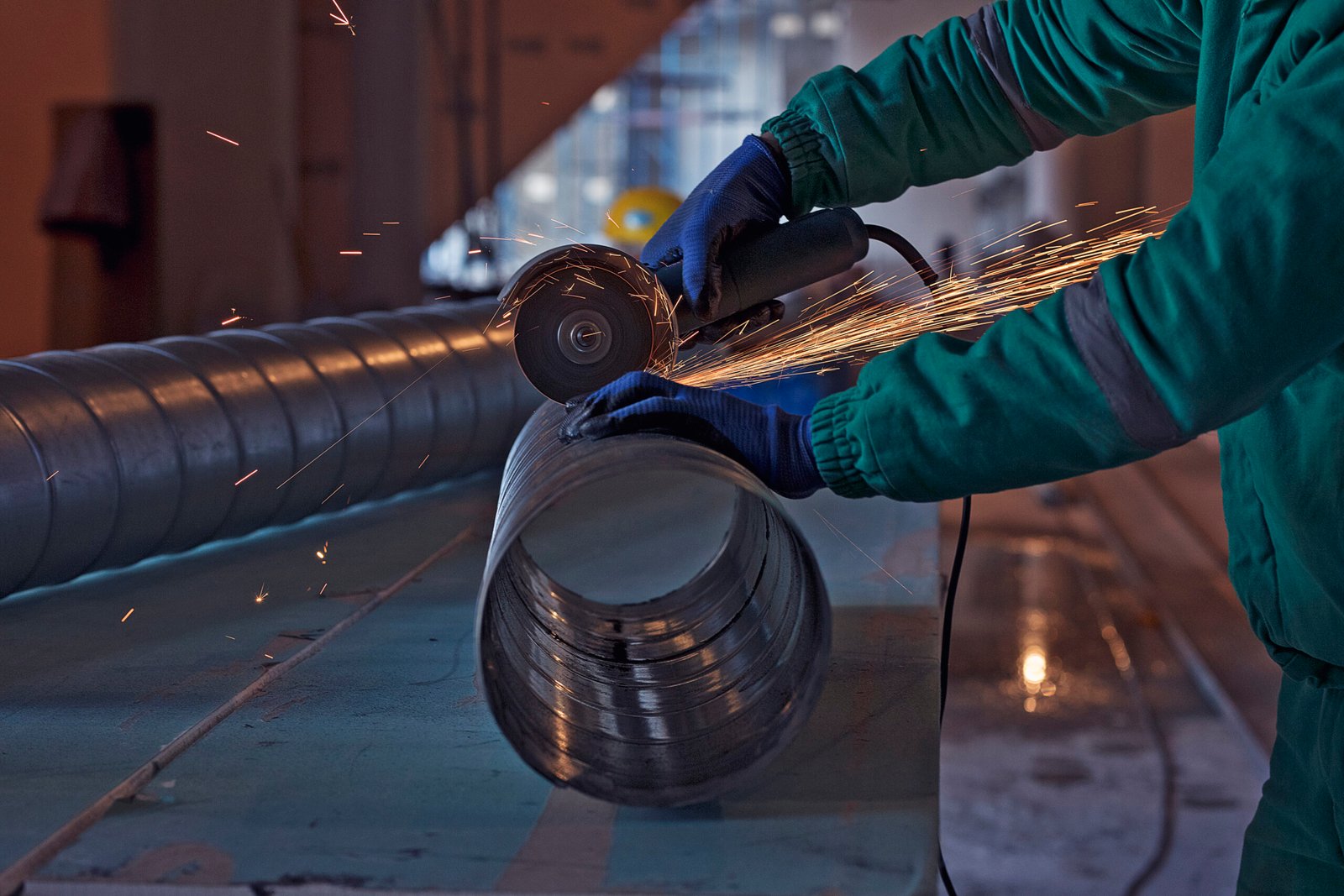
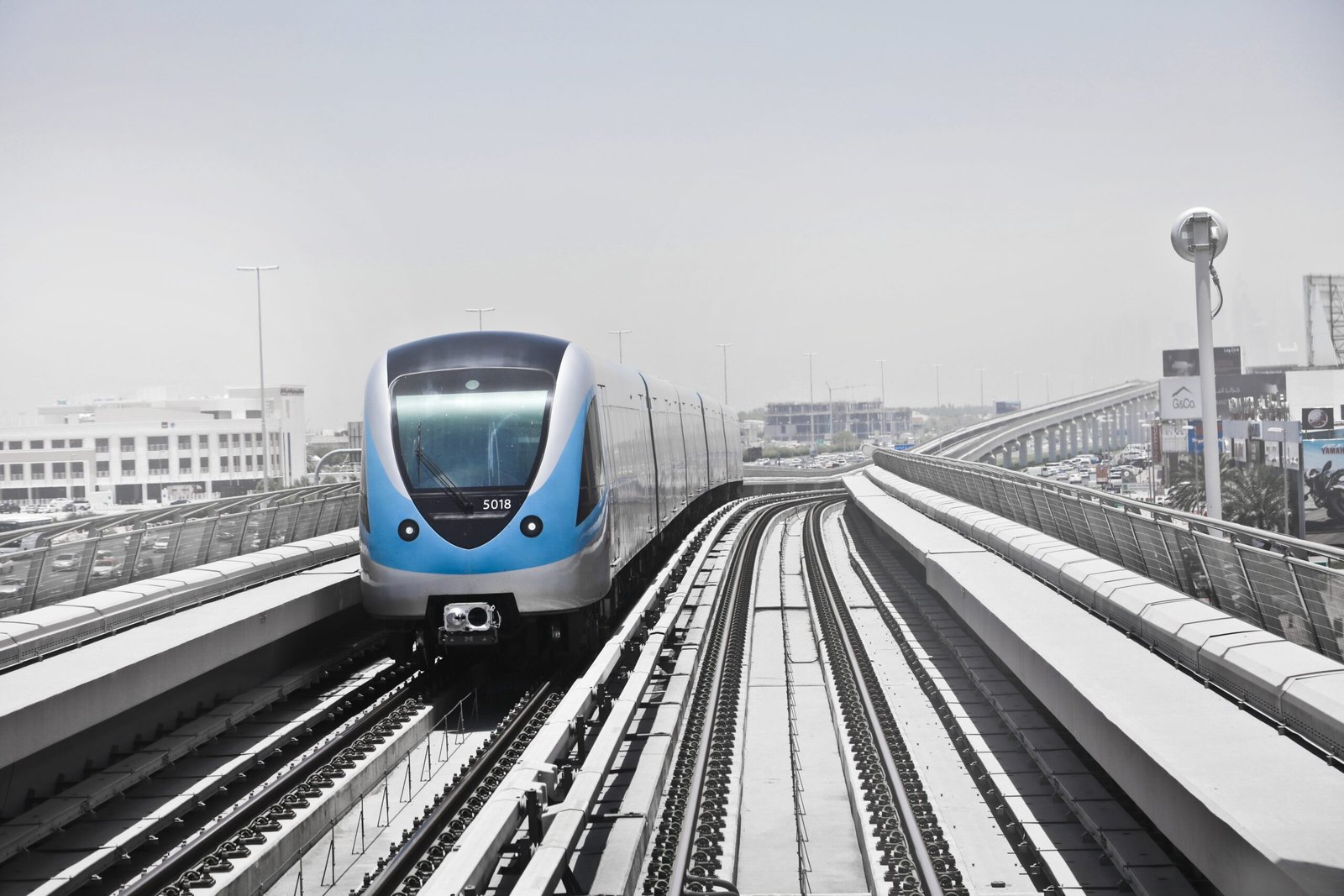
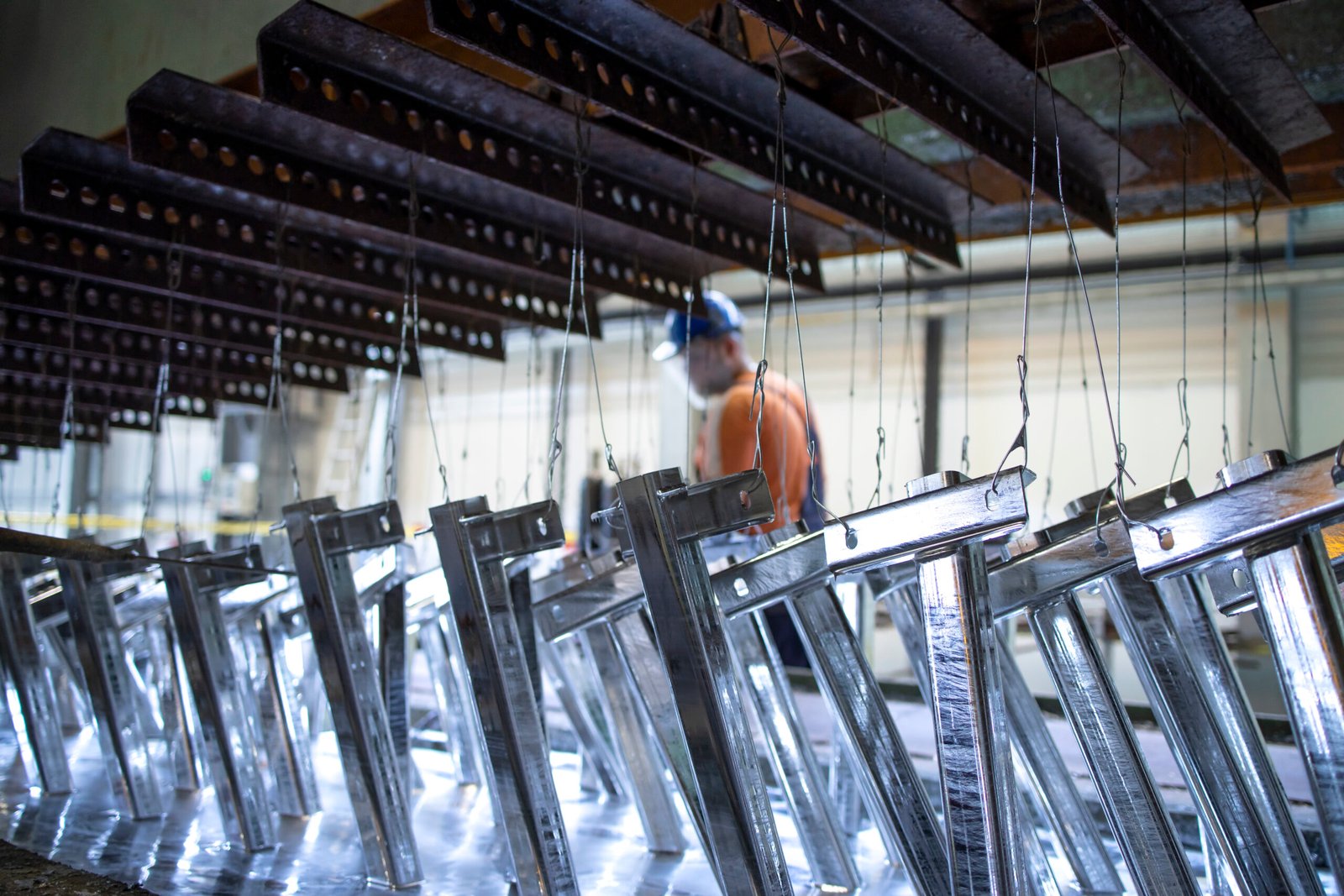
Stainless steel holds strategic value across industries due to its strength, corrosion resistance, and long service life. It is widely used in sectors where durability and hygiene are essential, including construction, food processing, healthcare, automotive manufacturing, and energy infrastructure.
Industry research frequently underscores stainless steel’s sustainability advantages. The material is highly recyclable and often contains a significant proportion of recycled content. Its longevity reduces the need for frequent replacement, thereby lowering long-term resource consumption and maintenance costs. Studies also note that cold-rolled flat stainless steel products are especially important for precision manufacturing, offering improved surface quality and dimensional accuracy.
Given its broad industrial footprint, even modest shifts in pricing or supply conditions can influence multiple downstream sectors.
What happens if a review is launched
If the European Commission initiates an expiry review, all relevant parties, including exporters, importers, and other stakeholders, would be invited to submit comments or counterarguments. Authorities typically describe such reviews as a mechanism to maintain fair competition rather than restrict trade.
If no review is requested, the duties will lapse as scheduled. Market participants are expected to monitor developments closely, as the decision may affect sourcing strategies, price movements, and competitive conditions within the European stainless steel market.