Educate, optimise, grow: Crisil’s Sachidanand Choubey on unlocking SS potential

Crisil
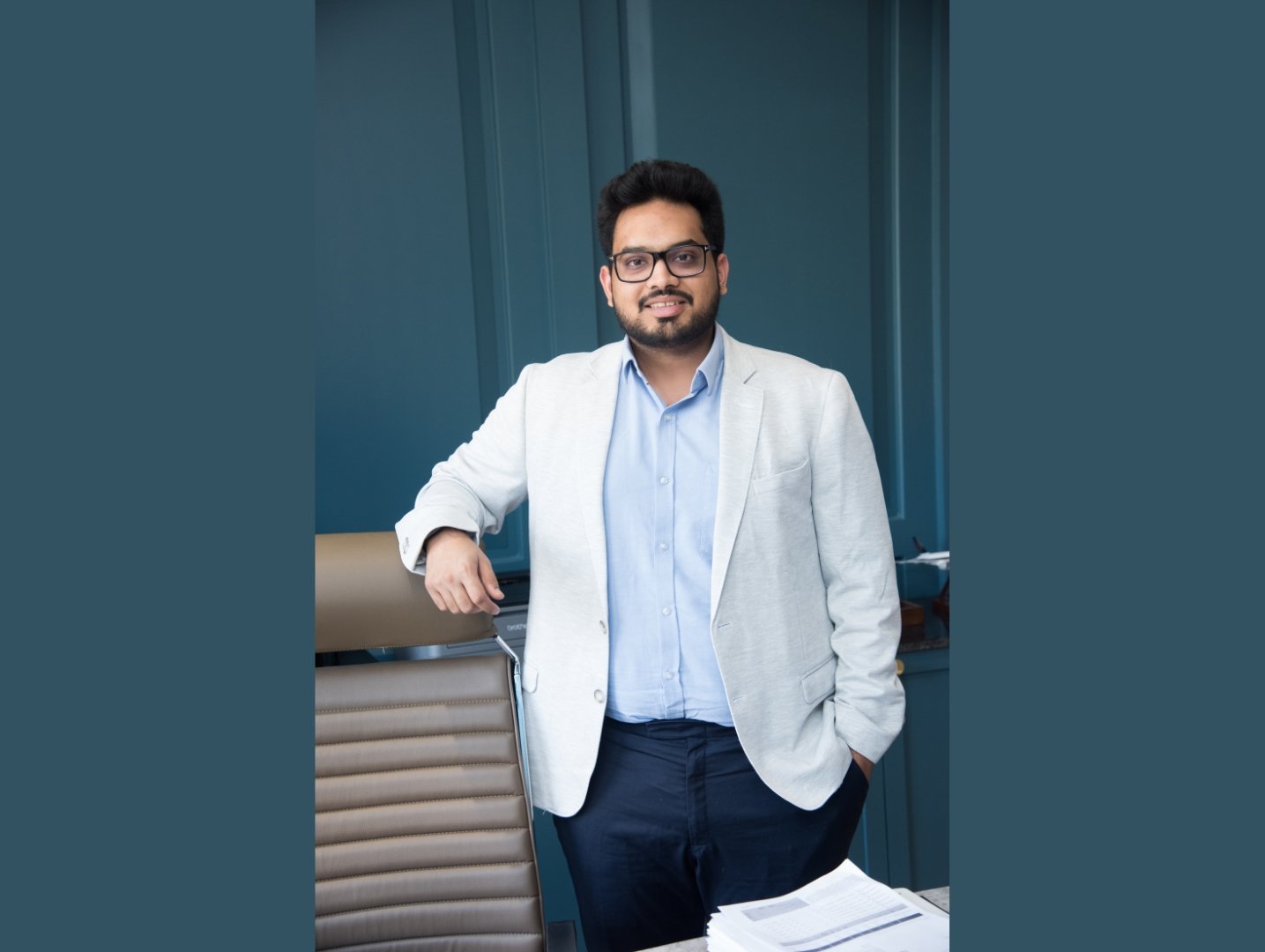
India’s stainless steel sector is poised for growth, but awareness, cost perception, and supply challenges must be addressed, says Sachidanand Choubey, Associate Director, Research Crisil Intelligence.
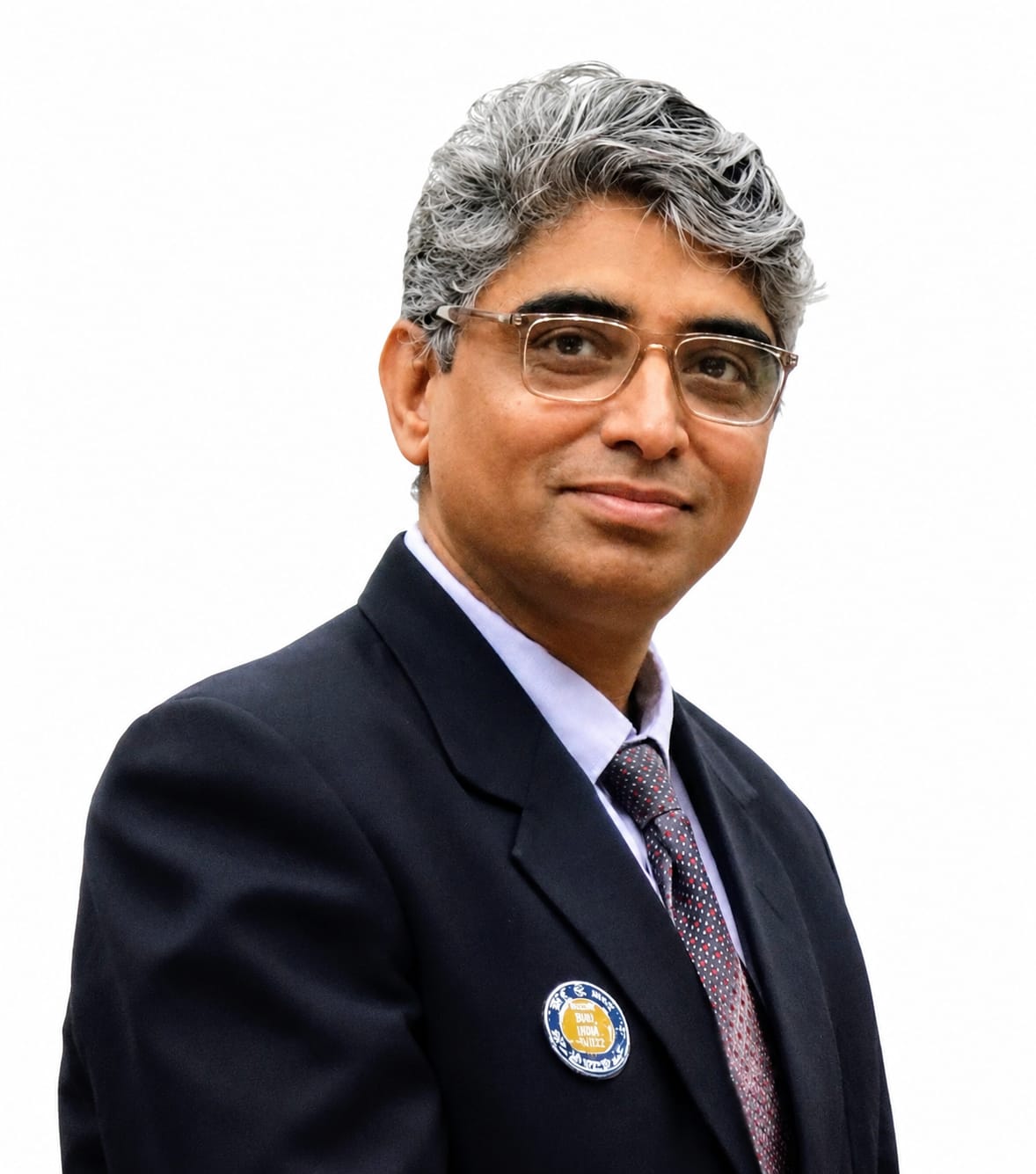
At GSSE 2025, Sachidanand Choubey, Associate Director at Crisil Intelligence, brought his analytical expertise to a vital discussion on the Blue Economy and stainless steel’s role in marine applications. With years of experience covering metals and cement, Choubey shares his key takeaways from the Summit—from the sector’s growth trajectory and trade headwinds to the urgent need for better awareness and supply chain efficiency across the stainless steel ecosystem.
Tell us about yourself and your experience at the GSSE Summit.
As the Associate Director at Crisil Intelligence, I look after metals and cement research articles.
I was a moderator on the panel discussion about Blue Economy and the applications of stainless steel in the marine ecosystem. It was a wonderful discussion. We heard views both from the end-use application side and from manufacturers. We talked about what’s currently happening, what’s on the horizon, and where changes are needed in our approach.
What is your overall impression of the Summit?
The Summit brought together people from diverse backgrounds—manufacturers, end-users, academia, architects, builders, designers and even large corporates involved in megaprojects. This diversity allows for cross-pollination of ideas, leading to meaningful and creative outcomes.
What stood out most to you during the event?
Many end-users expressed surprise at the information and innovations they discovered—many said, “Had I known this earlier, we could have applied it in our projects.” That’s the real value of this platform—connecting people to possibilities.
How do you see the growth of the stainless steel sector?
The sector is growing much faster than before, and the range of applications is expanding across a wide spectrum of industries. This opens up immense growth potential.
What are some current global challenges impacting the stainless steel industry?
We’re in a challenging global trade environment with ongoing tariffs and Free Trade Agreements (FTAs) being negotiated. Stainless steel, being a critical export commodity, needs strong trade support to ensure manufacturers get fair access to domestic and international markets.
What are the key challenges for stainless steel adoption in India?
1. Cost perception: Stainless steel is often seen as 4–5 times more expensive than mild steel. But when you look at life cycle costing, it offers better long-term value.
2. Lack of awareness: Designers and users aren’t always educated about where stainless steel delivers strong ROI and long-term benefits.
3. SKU management: The stainless steel sector has many grades (SKUs). Many end-user applications require small quantities of specific grades, which can be hard to source at the right time. This creates supply issues for niche applications.
What can be done to address these challenges?
Focus on education—especially for designers and end-users—to help them understand the real cost and benefits over time. Also, improving inventory and supply chain management for stainless steel grades will make sourcing easier for smaller, specific applications.